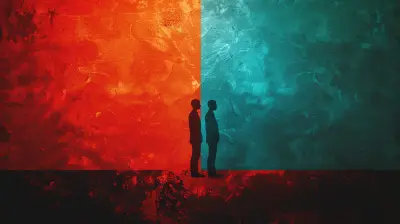
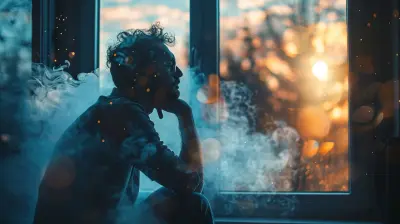
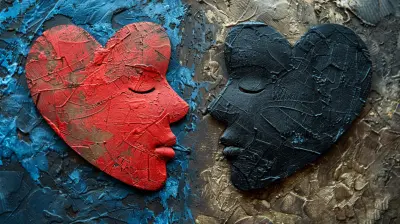
Breaking the Stigma: Talking Openly About PTSD
17 June 2026
Let’s be real for a second—mental health is tough to talk about. And when it comes to something as misunderstood as PTSD, or post-traumatic stress disorder, the silence can be deafening. You hear “PTSD” and you might picture war zones, combat veterans, or dramatic movie scenes. But PTSD is so much more than just that stereotype. It affects millions in quiet, invisible ways.
In this post, we're going to dive deep into PTSD—not just what it is, but also the emotional weight of carrying it silently. We'll look at why we need to break the stigma, how we can start talking more openly, and what healing can look like. So grab a cup of coffee, get comfy, and let’s have an honest conversation.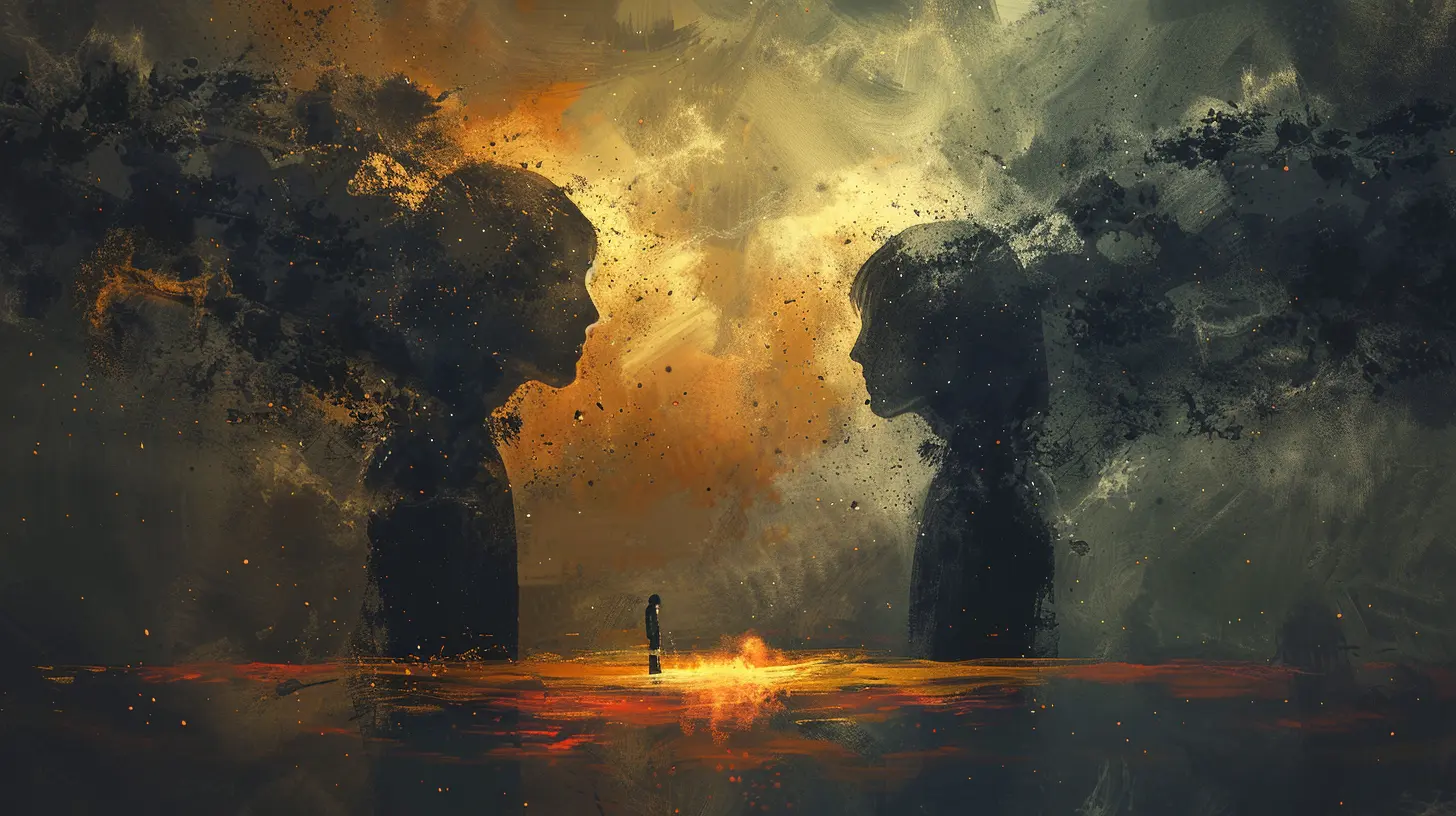
What Is PTSD, Really?
Post-Traumatic Stress Disorder is a mental health condition triggered by experiencing or witnessing a traumatic event. And trauma? It doesn’t play favorites. It can come from a car accident, childhood abuse, natural disasters, a violent assault, or even losing someone unexpectedly.But here's the kicker: just because something traumatic happens doesn’t automatically mean someone will develop PTSD. We all process pain differently. Some wounds leave deeper scars than others. PTSD happens when those psychological wounds refuse to heal on their own.
Common Symptoms—It’s More Than Flashbacks
If you think PTSD is only about flashbacks or nightmares, think again. It's a complex emotional puzzle. Here are just a few pieces:- Hypervigilance: Always feeling on edge or in danger, even in safe situations.
- Avoidance: Dodging places, people, or conversations that remind you of the trauma.
- Emotional numbness: Feeling disconnected or detached from others.
- Negative thoughts: Guilt, shame, or believing the world is a dangerous place.
It's like your brain gets stuck in survival mode—and it's exhausting.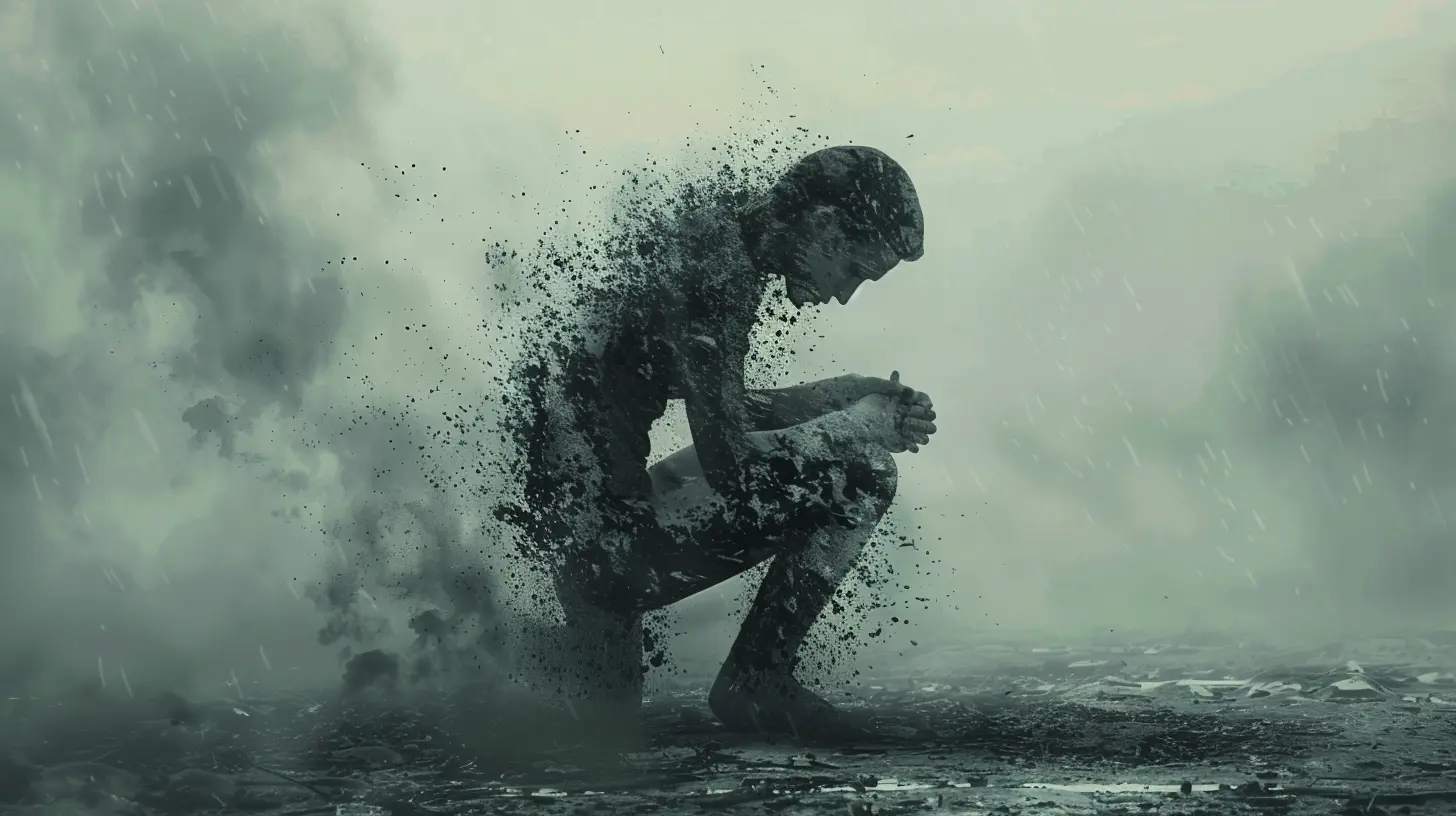
The Silent Struggle: Why People Don't Talk About PTSD
Now here’s where things get heavy. Despite how common PTSD is, so many people suffer in silence. Why? Because the stigma surrounding mental health—and PTSD in particular—is still painfully strong.Misconceptions Fuel the Shame
Ever heard someone say, “But you weren’t in the military, how can you have PTSD?” That kind of thinking paints PTSD with a narrow brush. So when someone who went through, say, a sexual assault or childhood neglect starts feeling its effects, they might question their own pain. Or worse—feel invalidated.There’s also the belief that having PTSD means you’re “broken” or weak. And let’s face it, nobody wants to be seen that way. So people hide it, push it down, and pretend everything’s fine. But inside? It’s a storm they’re trying to weather alone.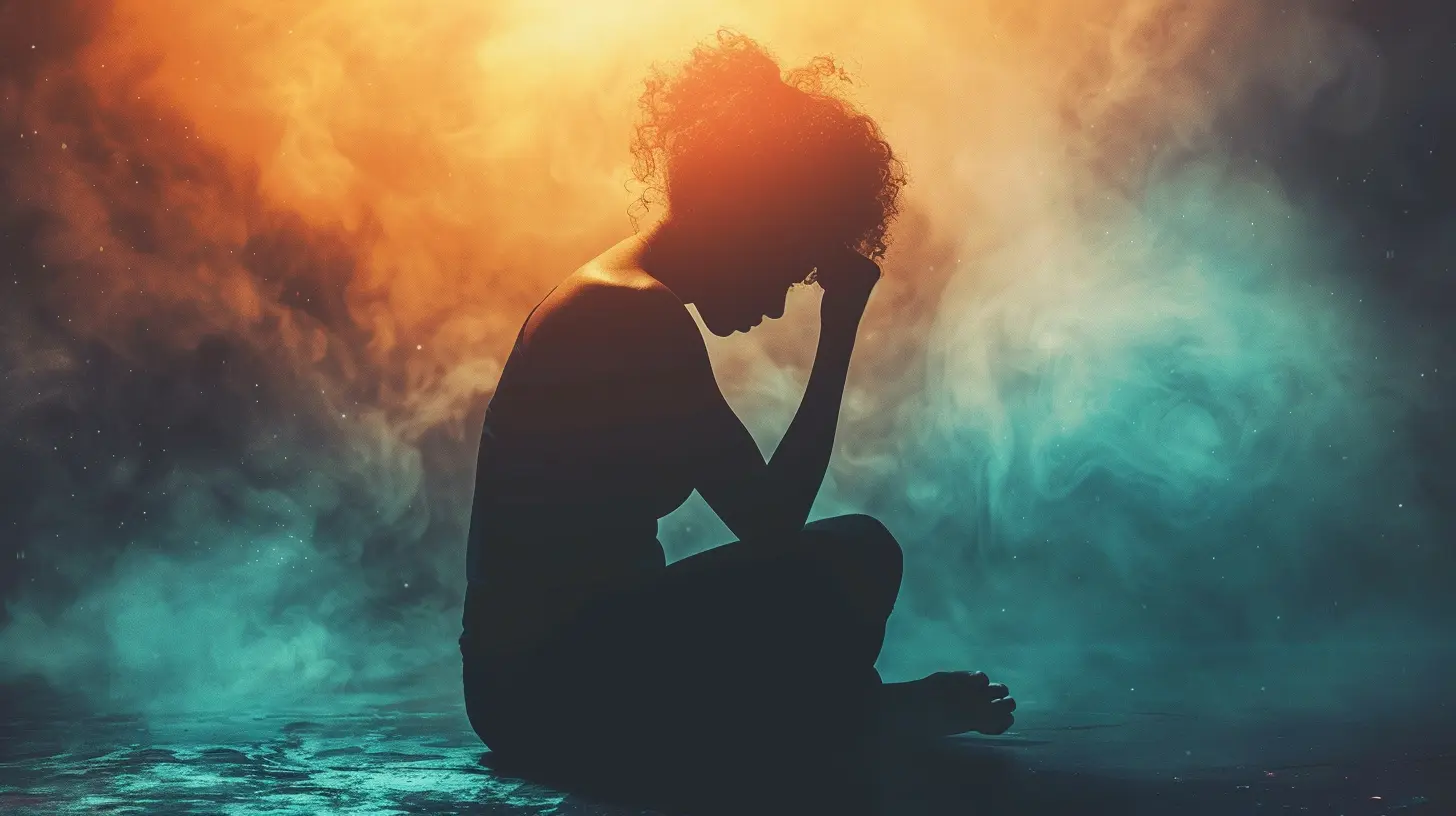
The Dangers of Staying Silent
Let’s not sugarcoat it—bottling up PTSD can have some serious consequences. When we refuse to talk about mental health struggles, we isolate ourselves. And isolation is PTSD’s best friend—it feeds on silence.- Relationships suffer: Emotional walls go up. Intimacy, trust, and connection break down.
- Physical health declines: Stress hormones stay elevated, leading to headaches, fatigue, and even chronic illness.
- Substance abuse increases: Trying to numb the pain may lead to unhealthy coping mechanisms.
- Suicidal thoughts may follow: When someone feels like there’s no escape from their past, desperation can creep in.
This is why talking about PTSD isn’t just important—it’s life-saving.
Breaking the Stigma Starts with Us
Okay, so we know the stigma exists. But here’s the good news: we have the power to unlearn it.Normalize the Conversation
Think about it—when was the last time you talked openly about mental health with someone? Probably not that often, right? That’s because it still feels taboo. But the more we talk about PTSD, the more we chip away at that wall of silence.Start small. Share your story if you're comfortable. Or just let a friend know it’s okay to not be okay. When someone opens up to you, don’t rush to “fix” them. Just listen. Sometimes, that's all they need.
Language Matters
Let’s ditch the labels like “crazy,” “unstable,” or “damaged.” PTSD doesn’t make someone less human—it makes them someone who's been through hell and is still standing. That’s strength, not weakness.Also, avoid asking intrusive questions like, “What happened to you?” Instead, say things like, “I’m here if you ever want to talk about it.”
How Therapy Can Help (And Why It’s Not a Dirty Word)
One of the best things someone with PTSD can do? Talk to a professional. Yet even the word “therapy” can make people squirm. But let me set the record straight—therapy isn’t lying on a couch while someone analyzes you like a lab rat. It’s a conversation. It's a safe space. And it’s powerful.Types of Therapy for PTSD
- Cognitive Behavioral Therapy (CBT): Helps reframe negative thought patterns.- EMDR (Eye Movement Desensitization and Reprocessing): Uses rhythmic eye movements to help reprocess traumatic memories.
- Trauma-focused CBT: Specifically tailored for trauma survivors.
- Group therapy: Sharing the journey with others who “get it” can be incredibly healing.
Therapy isn’t about erasing what happened. It’s about reclaiming your life from its grip.
You’re Not Alone—And You Don’t Have to Be
Maybe you’ve experienced trauma. Maybe someone close to you has. Either way, it’s important to know this: you’re not alone. And you don’t have to go through this alone either.Support groups—both online and in person—can provide a sense of belonging. When you hear someone else say, “I’ve been where you are,” something powerful clicks. That shared experience builds bridges.
Even just reading blogs like this or following mental health advocates on social media can remind you that community and compassion are out there.
Tips for Supporting a Loved One with PTSD
Supporting someone with PTSD can be tough. You want to help, but you’re not sure how. Here are a few things to keep in mind:- Don’t pressure them to talk, but let them know you’re there.
- Educate yourself—the more you know about PTSD, the more supportive you can be.
- Be patient—recovery takes time and may come with setbacks.
- Encourage professional help without making them feel broken.
- Take care of yourself, too—you can’t pour from an empty cup.
Remember, love and empathy go a long way. You don’t need to have all the answers. Just being present is enough.
Healing Is Not Linear—And That’s Okay
There’s a common myth that healing from PTSD is like climbing a staircase. Up, up, up until you're all better. But that's not how it works. Healing is messy. Some days feel like progress, others feel like setbacks. And that’s totally normal.Imagine it more like the ocean. Some days the water is calm, others it's choppy and unpredictable. But you keep swimming. You keep going. That’s what healing with PTSD looks like.
So be gentle with yourself. Celebrate the small victories. And when things get hard, remind yourself: You’ve survived 100% of your worst days so far.
Final Thoughts: Let’s Change the Narrative Together
If we want to break the stigma around PTSD, we’ve got to stop whispering about it. We need to talk openly, loudly, and unapologetically. Because every time someone speaks out, it makes it easier for someone else to do the same.Mental health isn’t a weakness. PTSD isn’t a character flaw. And silence doesn’t heal—it hides.
Let’s be the generation that chooses empathy over judgment, understanding over fear. Let’s create a world where people feel safe taking off their emotional armor, even if just for a minute.
Because sometimes, breaking the stigma doesn’t start with a massive movement. Sometimes, it starts with one person saying, “Me too.
all images in this post were generated using AI tools
Category:
Post Traumatic Stress DisorderAuthor:

Janet Conrad
Discussion
rate this article
1 comments
Linnea McLanahan
Great article! Open discussions about PTSD are essential for healing and understanding.
June 28, 2026 at 2:46 AM
Janet Conrad
Thank you! I completely agree. Open discussions can truly make a difference in how we understand and support those affected by PTSD.