How Animals and Pet Therapy Aid PTSD Recovery
29 March 2026
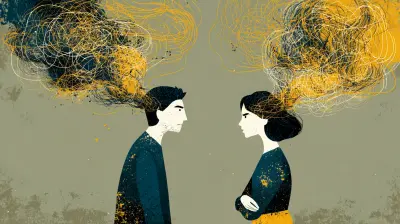
Living with PTSD (Post-Traumatic Stress Disorder) is like carrying around a storm cloud that refuses to drift away. It's heavy, dark, and follows you even on sunny days. For many, healing from trauma can feel like navigating a maze with no map. But what if there's a warm, furry friend waiting at one end with a wagging tail or a soft purr?
That’s where animal and pet therapy come in. These four-legged companions are more than just cute faces—they can become powerful allies in the journey toward emotional recovery. In this article, we’ll break down how animals help those with PTSD, why it works, and how pet therapy can truly change lives.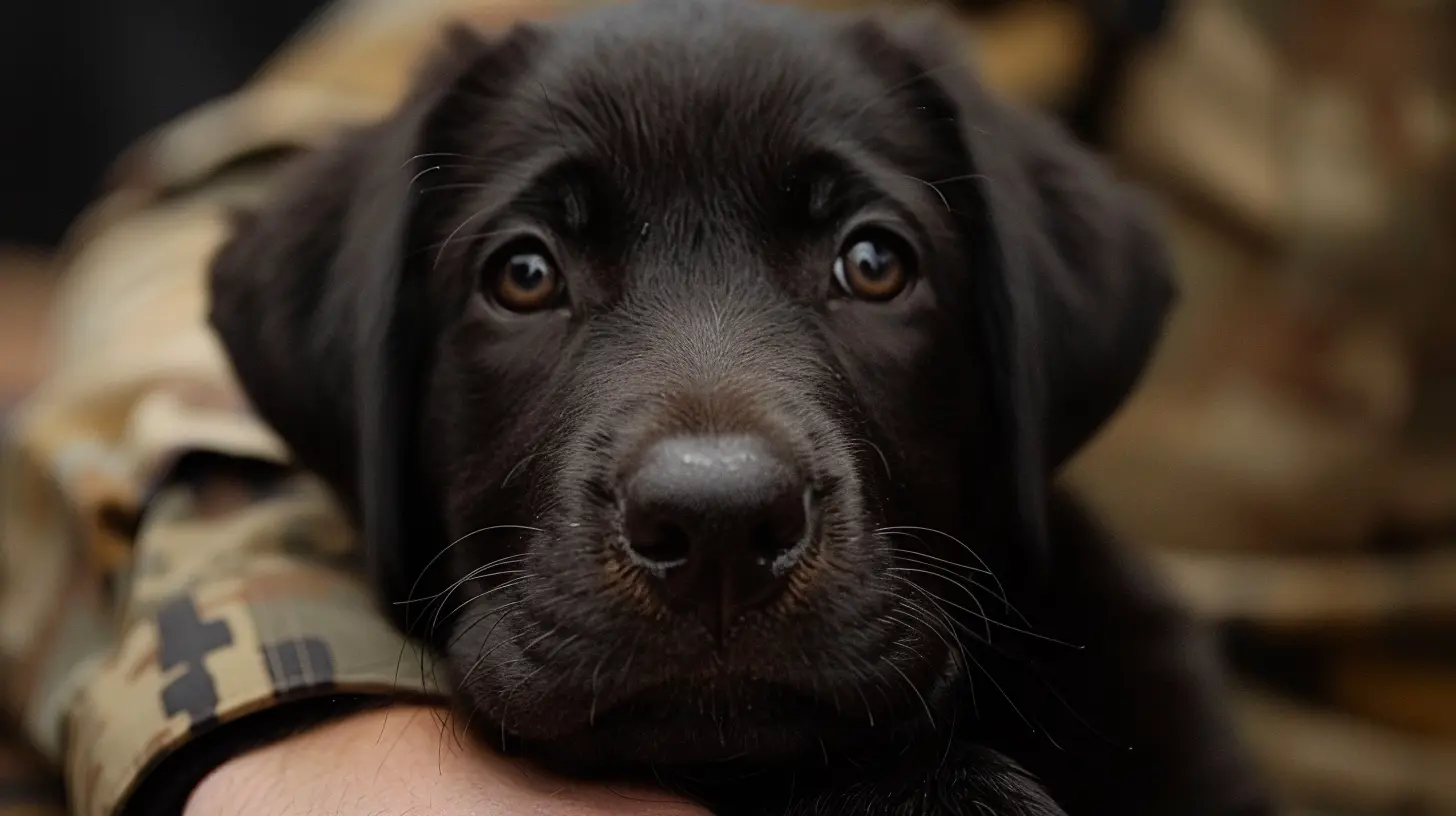
What Exactly Is PTSD?
Before we dive into pet therapy, let’s talk a little about PTSD.PTSD is a mental health condition that develops after a person experiences or witnesses a traumatic event—things like combat, natural disasters, car accidents, physical assault, or even emotional abuse. It doesn’t just go away; it lingers through flashbacks, panic attacks, hyper-vigilance, nightmares, and emotional numbness.
People with PTSD often feel isolated, misunderstood, and trapped in “fight or flight” mode. It’s not just a rough patch—it’s a whole different way of moving through the world. And sometimes, traditional therapy doesn't quite reach the deepest wounds. That’s where the magic of animal therapy begins.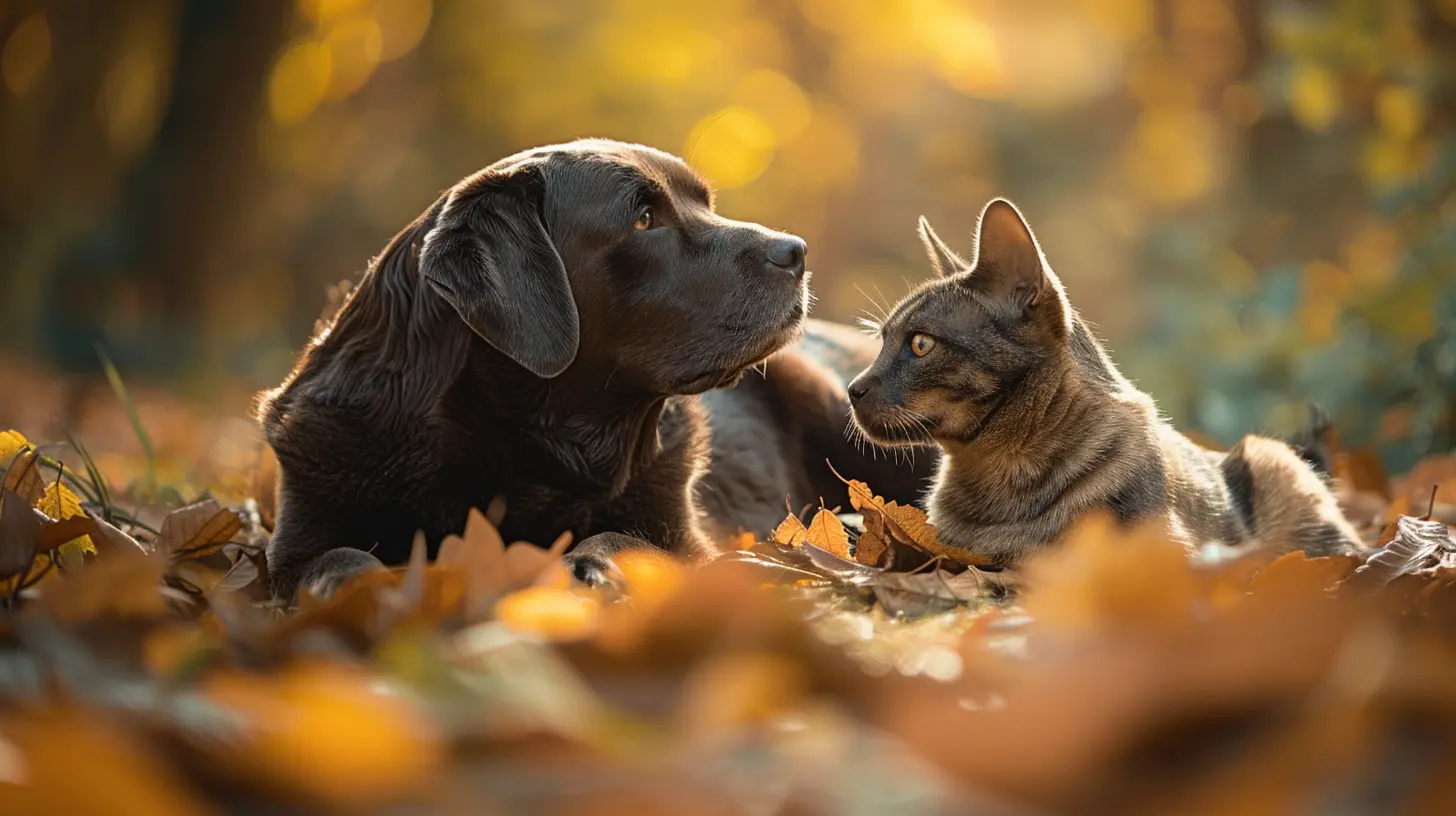
Pet Therapy: More Than Just Fluffy Cuddles
You’ve probably heard that pets are good for your health. But what if we told you they could actually be a therapeutic tool? Pet therapy—also known as animal-assisted therapy—is a guided interaction between a person and a trained animal, typically facilitated by a therapist.The goal? Emotional, physical, and psychological healing.
But make no mistake—this isn’t just about playing fetch or petting a purring cat (although those moments matter too). It’s a structured therapy that uses the bond between human and animal to address specific symptoms of trauma.
Let’s dig into how it actually helps.
How Do Animals Help PTSD Recovery?
1. Emotional Safety and Trust
One of the hardest things PTSD survivors face is trust. People have failed them, situations have turned dangerous, and vulnerability feels like a risk.But animals? They love unconditionally. They don’t judge, interrupt, or betray. Being around an animal helps PTSD sufferers feel safe in a way that’s tough to find elsewhere. A dog’s loyalty or a horse’s gentle spirit can spark the first flicker of trust—a huge step toward healing.
Think of it like this: animals become emotional "training wheels" for reconnecting with the world.
2. Calming the Nervous System
PTSD keeps your nervous system on high alert. You know that feeling when your heart races for no reason, your muscles stiffen, and your mind replays old memories like a broken record? That’s your body stuck in survival mode.Interacting with animals—petting a dog, holding a bunny, stroking a cat—activates the parasympathetic nervous system (aka your body’s “rest and relax” mode). It lowers heart rate, reduces cortisol (your stress hormone), and raises oxytocin levels, which help you feel calm and connected.
It’s like nature’s own anxiety medication—without the side effects.
3. Routine and Responsibility
Depression and anxiety often tag along with PTSD, making everyday tasks feel overwhelming. But caring for a pet introduces structure and purpose. Feeding them morning and night, taking them for walks, or grooming them gives you a reason to get out of bed.You’re needed—and that’s incredibly empowering when you’re used to feeling invisible.
4. Non-Verbal Communication
Sometimes words just don’t cut it. Explaining what PTSD feels like can be brutal. If you’ve ever felt like no one gets it—you’re not alone. But animals? They don’t need explanations.They pick up on emotions, cues, and body language in ways that humans often miss. That silent understanding can be more healing than a thousand therapy sessions. It’s like having a best friend who always knows when to be there—without you saying a single word.
5. Reducing Loneliness and Isolation
PTSD creates walls—between you and friends, family, the world. Those walls can feel impossible to break down.But a pet? That’s company. That’s connection. That’s someone to greet you at the door, to sit with you in silence, to curl up beside you when loneliness creeps in. They provide companionship without pressure. And often, they become the first safe relationship after trauma.
Over time, this bond can help people reestablish relationships with other humans, too.
Different Types of Animal Therapy for PTSD
There’s more than one way to bring animals into your life. Let’s look at a few common types of pet and animal therapy used in mental health treatment:1. Service Dogs for PTSD
These aren’t just any dogs. They're highly trained to perform specific tasks that directly help PTSD symptoms. Some things they can do include:- Waking someone from a nightmare
- Creating personal space in crowded areas
- Sensing anxiety and grounding their owner
- Guiding them out of stressful environments
Veterans, in particular, often benefit from PTSD service dogs. They’re not just pets—they’re lifelines.
2. Emotional Support Animals (ESAs)
ESAs aren’t trained to perform specific tasks, but their presence alone offers emotional comfort. Unlike service dogs, ESAs can be any pet—dogs, cats, even rabbits or birds.They help reduce symptoms of stress, anxiety, and depression simply by being near their owner. It’s like having a living, breathing emotional support blanket.
3. Equine Therapy (Horse Therapy)
This one might surprise you. Horses are incredibly intuitive animals. In equine therapy, individuals interact with horses through grooming, feeding, or simply being around them under the guidance of a therapist.Horses mirror human emotions, helping people become more self-aware. They also respond to energy and body language, making them ideal for emotional regulation practice.
4. Animal-Assisted Therapy (AAT)
This is a more clinical approach where animals are integrated into traditional therapy setups. A licensed therapist guides sessions where the client interacts with a therapy animal—helping build emotional resilience, enhance communication, and process trauma safely.Real-Life Stories That Speak Volumes
Let’s move beyond theory and talk about real people.Take John, a combat veteran who struggled with crippling anxiety and nightmares. Traditional therapy only helped so much. But when he was paired with a service dog named Max, things started to shift. Max would nuzzle him awake during night terrors, sense oncoming panic attacks, and guide him to safety.
Then there’s Sarah, who was in a car accident that left her emotionally paralyzed. Adopting a rescue cat gave her a reason to get up every day. The simple act of caring for another being softened her PTSD symptoms and made her start reaching out again.
These aren’t fairy tales. They’re daily realities for people who’ve let animals into their healing journey.
Is Pet Therapy for Everyone?
Let’s be real—not everyone is an “animal person.” And that’s okay.Pet therapy isn’t a one-size-fits-all solution. If someone has allergies, phobias, or past trauma involving animals, this method might not be ideal. Also, not everyone has the time, energy, or resources to care for a pet long-term.
But even short-term animal-assisted therapy sessions—under the guidance of a mental health professional—can offer significant benefits. It’s about finding what works for you.
How to Get Started
Ready to dip your toes in? Here’s how you can explore animal or pet therapy:1. Talk to your therapist – They can guide you toward safe, reputable programs.
2. Seek out local animal-assisted therapy centers – Many offer free or low-cost sessions.
3. Look into service animal organizations – If you're a veteran or trauma survivor, you may qualify for a trained service dog.
4. Visit animal shelters – Volunteering can be a great way to interact with animals without full-time commitment.
Just remember: healing is a journey, not a race. Let it unfold naturally.
Final Thoughts
Healing from PTSD isn’t easy. But you don’t have to do it alone—and sometimes, help comes on four legs with a tail wagging behind. Animals have a unique, almost magical way of reaching the parts of us that humans can’t always touch.Whether it's the steady presence of a dog, the purr of a cat, or the gentle gaze of a horse, animals offer something we all need—unconditional love, acceptance, and the invitation to just be.
If you're struggling with PTSD, opening your heart to animal therapy might be one of the most life-changing choices you ever make.
You’re not broken. You’re healing. And sometimes, that healing comes with fur.
all images in this post were generated using AI tools
Category:
Post Traumatic Stress DisorderAuthor:

Janet Conrad
Discussion
rate this article
2 comments
Noemi Murphy
Animals are not just companions; they are healers. Embracing pet therapy in PTSD recovery isn't just beneficial—it's essential. Let's prioritize this powerful bond and break the stigma around mental health treatment!
April 7, 2026 at 8:03 PM
Janet Conrad
Absolutely agree! The bond between humans and animals can be transformative for healing. Prioritizing pet therapy is crucial in breaking down barriers in mental health treatment.
Murphy Blevins
This article highlights the profound impact of animal-assisted therapy on PTSD recovery, showcasing the unique emotional support animals provide. The therapeutic bond fosters safety and trust, essential elements in healing from trauma.
April 2, 2026 at 4:09 AM
Janet Conrad
Thank you for your insightful comment! I'm glad you found the article highlights the vital role animals play in PTSD recovery. Their unique bond truly makes a difference in the healing process.