How Cultural Factors Influence Trauma and Healing
28 April 2026
Have you ever noticed how two people can experience the exact same event but cope with it in entirely different ways? What makes one person bounce back feeling stronger, while another might feel stuck in pain for years? Well, a big piece of the puzzle lies in one surprisingly powerful element—culture. Yup, the values, beliefs, traditions, and worldviews we grow up with can deeply influence how we experience trauma and, more importantly, how we heal from it.
In this post, we’re diving into the fascinating and often overlooked world of how cultural factors shape trauma and healing. Whether you’re a mental health enthusiast, a psychology student, or just someone trying to better understand yourself and others, this is a topic that touches every one of us more than we realize.
Let’s unpack this together.
What Is Trauma, Really?
Before we jump into the cultural side of things, let’s get one thing straight—trauma isn't just about what happens to us; it’s about how we experience what happens. Think about it like this: trauma is like an emotional bruise. Two people may fall off the same bike, but one might walk away with just a scratch, while the other ends up with a deep, invisible wound.Trauma can result from a variety of experiences: abuse, violence, loss, neglect, and even sudden life changes. But here’s the kicker: what’s considered traumatic in one culture may not feel the same in another.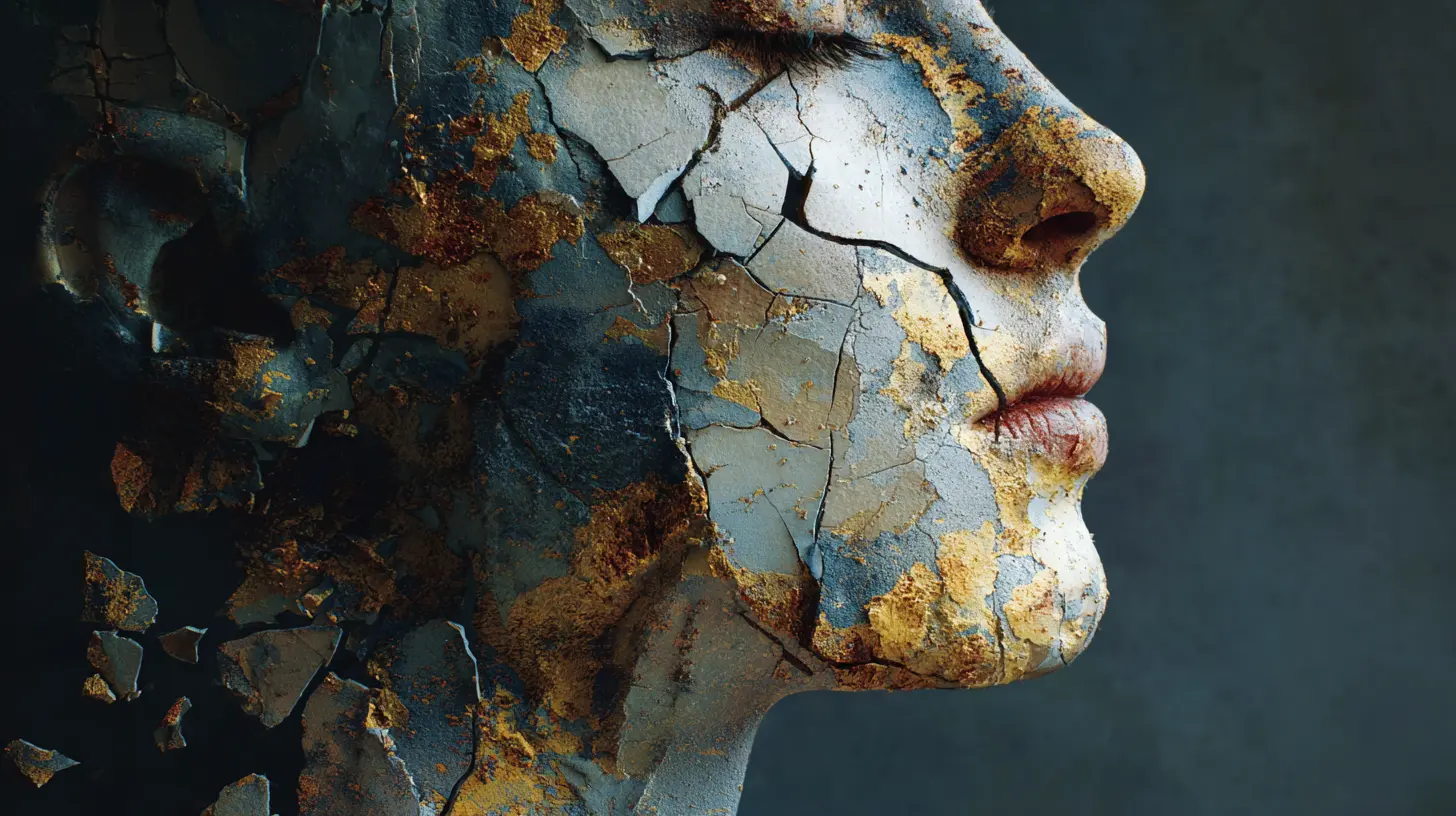
The Cultural Lens: Why It Matters
Culture is like the mental software running in the background of our lives. It shapes the way we perceive the world, interpret events, and decide what to do next. When it comes to trauma, culture influences things like:- Whether we talk about mental health at all
- What emotions we’re allowed to show
- Who we turn to for help
- How we define suffering and healing
- Which coping strategies are "acceptable"
Can you see how this might play a huge role in how people process trauma?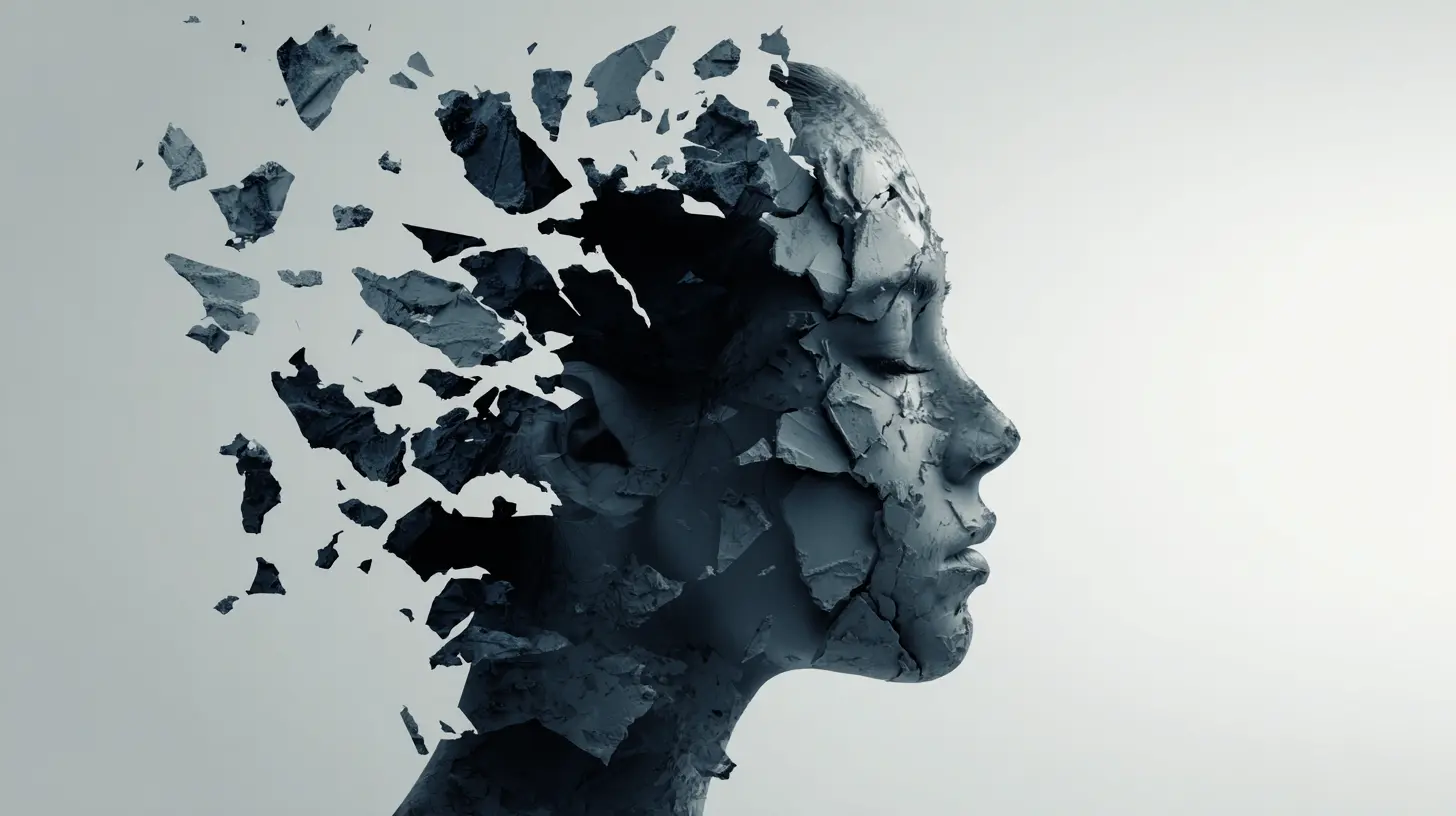
Why One-Size-Fits-All Healing Doesn’t Work
Imagine trying to solve every problem with just one tool—like using a hammer to fix a watch. Doesn’t work, right? The same goes for healing. While Western psychology often focuses on individual therapy, expressing emotions, and "processing" trauma through talking, not every culture operates that way.In some cultures, healing may come through rituals, community gatherings, spiritual practices, or physical acts of service. For others, resilience may be rooted in silence, endurance, or collective strength rather than in individual expression.
So, when therapists or support systems ignore cultural context, they might unintentionally offer "solutions" that feel foreign, uncomfortable, or even invalidating.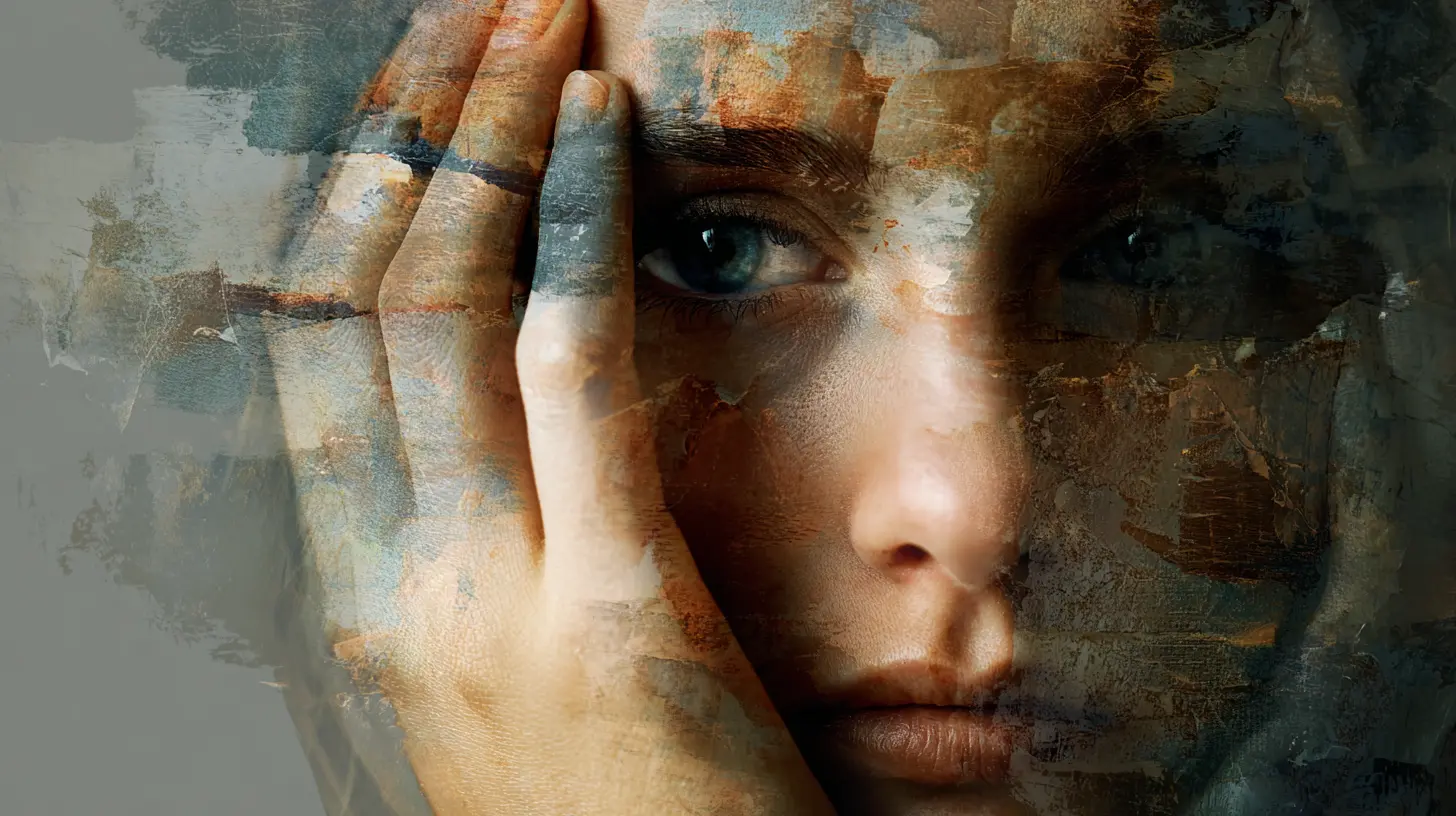
Language: The Unseen Barrier
Think about how hard it is to describe a dream, now imagine trying to describe a traumatic experience—especially if the words just don’t exist in your language. Some cultures don’t even have a word for "depression" or "anxiety," or they may describe emotional pain through physical symptoms like fatigue, headaches, or heart palpitations.When the language of healing doesn’t match the language of suffering, people can feel misunderstood or dismissed. That’s why culturally sensitive care is more than just translation—it’s about speaking a person’s emotional language.
Family and Community: The Double-Edged Sword
Families and communities can be powerful sources of healing. Shared stories, support systems, and cultural continuity can help trauma survivors feel less alone and more grounded. For example, Indigenous tribes often rely on ancestral wisdom and storytelling as part of the healing journey.But here’s the flip side—not all families or communities are equipped to respond to trauma in healthy ways. In some cultures, stigma around mental illness can prevent people from reaching out. Trauma might be minimized ("We don’t talk about that here"), or worse, the person may be blamed for what happened.
Healing within a community context can be beautiful—but only if that community is capable of offering support rather than shame.
Spirituality and Ritual: The Forgotten Healers
You know that comforting feeling you get when you light a candle, say a prayer, or follow a morning routine? That’s ritual—and it’s more powerful than people often think.In many cultures, spirituality isn’t just a belief system; it’s a lifeline. Religious rituals, ancestral ceremonies, chants, and symbols often play a key role in making sense of trauma and restoring harmony to the mind, body, and spirit.
For someone raised in a culture where spirituality is central, healing might not even feel complete without this component. Ignoring it might be like trying to heal a broken leg with only a painkiller and no cast.
Collective vs. Individual Healing
Western societies tend to emphasize “me”—my feelings, my journey, my trauma. But in many other parts of the world, healing is “we-based.” The pain of one can be seen as the pain of all, and recovery becomes a communal mission.For example, in African, Asian, and Indigenous communities, there may be a strong sense of collective responsibility for healing, often involving elders, extended families, or even entire villages. The trauma gets acknowledged, not just by the individual, but by the whole group.
This is powerful stuff—it can turn isolation into connection, and despair into shared purpose.
Intergenerational Trauma: When Pain Is Passed Down
Ever felt like you’re carrying a weight that isn’t entirely yours? That’s what intergenerational trauma feels like. It’s not just poetic—there’s real science behind it.Cultures affected by colonization, slavery, genocide, war, or forced migration continue to carry the scars long after the actual events have passed. The trauma gets woven into stories, behaviors, fears, and even DNA.
And here's the catch—healing has to happen on multiple levels. It’s not just about helping the individual but also addressing the cultural and historical context they exist in. Otherwise, we’re just treating symptoms and not the root.
Cultural Competency: The Key to Better Mental Health Care
So, what’s the solution? It starts with culturally competent mental health care. This means therapists, counselors, and support workers who are trained not just in psychology but also in anthropology, empathy, and humility.They ask the right questions:
- “How does your culture talk about suffering?”
- “Who do you usually turn to when life gets tough?”
- “What healing practices do you trust?”
They don’t assume—they listen. They don’t push—they offer. And most importantly, they honor each person’s unique cultural path to healing.
Finding Your Own Culturally-Rooted Healing Path
If you’ve experienced trauma and feel like the mainstream advice doesn’t work for you, that’s okay. Maybe it’s time to look a little closer to home.- What practices did your ancestors use to cope with pain?
- What spiritual or cultural rituals bring you peace?
- Who in your community can support your healing?
Remember, healing isn’t a straight line, and it definitely isn’t one-size-fits-all. It’s more like a dance—sometimes solo, sometimes with others, and always in rhythm with your own truth.
Encouraging Hope: You’re Not Alone in This
Yes, trauma can be devastating—but healing is always possible. And when that healing is rooted in your cultural identity, it becomes even more powerful. Whether it’s through a drumbeat, a shared meal, a whispered prayer, or a long talk with grandma—your culture holds wisdom, resilience, and strength that can guide you.So give yourself permission to explore healing on your own terms. Embrace your roots, honor your story, and trust the process. Because healing, no matter how it looks, is always a brave and beautiful thing.
Final Thoughts
Culture isn’t just background noise—it’s a major player in how we experience trauma and how we find our way back from it. Whether acknowledged or unspoken, it influences everything from how we define suffering to how we rebuild our lives.By recognizing and respecting cultural differences in trauma and healing, we open the door to deeper understanding, better support, and a world where everyone has a chance to heal in their own authentic way.
So ask yourself: What does healing look like—through your own cultural lens?
all images in this post were generated using AI tools
Category:
TraumaAuthor:

Janet Conrad
Discussion
rate this article
1 comments
Fletcher Velez
This article highlights the vital connection between culture and trauma recovery. Understanding diverse healing practices can enhance support and promote resilience in affected individuals and communities.
May 9, 2026 at 4:06 AM
Janet Conrad
Thanks for your thoughtful comment! Exploring diverse healing practices truly enriches our understanding of trauma recovery.