How Interpersonal Therapy Can Improve Your Relationships and Mental Health
27 April 2026
Think about your relationships—romantic, platonic, family, or even professional. Are they fulfilling? Supportive? Or do they feel like a constant source of stress and anxiety? If you've ever felt stuck in a cycle of misunderstanding, emotional distance, or unresolved conflict, you're definitely not alone. Relationships are complicated. They're beautiful, messy, and sometimes, downright exhausting. But what if there was a way to not only feel better mentally but also improve the quality of your relationships at the same time? Enter: Interpersonal Therapy (IPT).
You don’t need to have all the answers. You just need a place to start. And that’s what we’re diving into today. Let's talk about how Interpersonal Therapy can genuinely transform the way you connect with others—and yourself.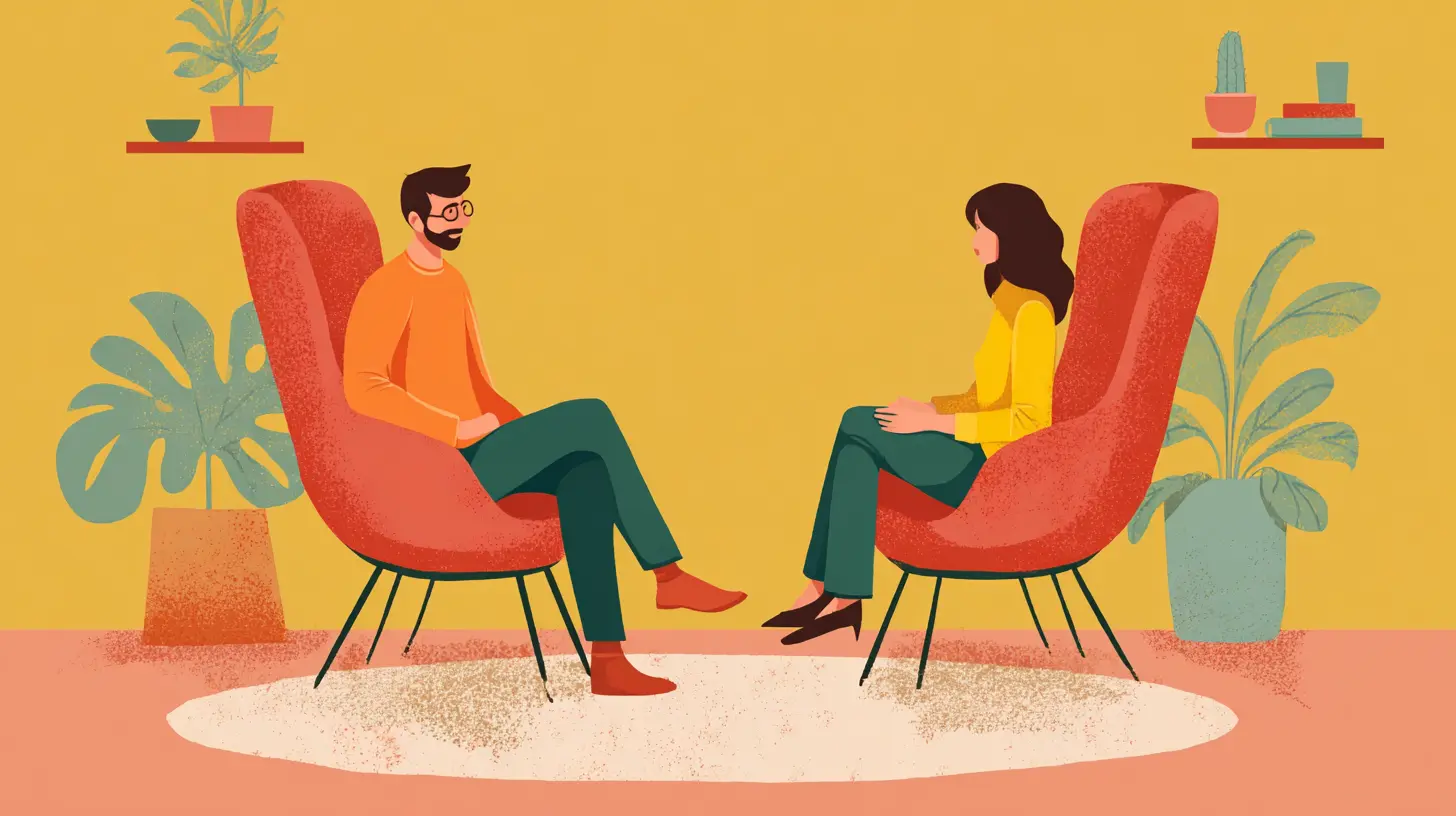
What Is Interpersonal Therapy (IPT), Anyway?
Okay, let’s break it down. Interpersonal Therapy (IPT) is a short-term, structured form of therapy that zeroes in on—you guessed it—your interpersonal relationships. It was originally developed to treat depression, but over the years, it’s been proven effective for a wide range of mental health issues like anxiety, eating disorders, and post-traumatic stress disorder (PTSD).Here’s the twist: Unlike traditional talk therapy that focuses mostly on your past, IPT is more about the here and now. It’s about your current relationships, your social supports, and how they’re impacting your emotional well-being.
Core Belief of IPT:
How we feel inside and how we relate to others are deeply connected. When your relationships are rocky, your mood usually suffers—and vice versa.
Why Relationships Matter (More Than We Realize)
Let’s get real: Humans are social creatures. Even if you're introverted, you still thrive on meaningful connections. Relationships influence our sense of identity, safety, and even our physical health. That’s right—studies show that poor relationships can impact everything from blood pressure to immune function.When relationships are strained, it’s like walking around with a constant emotional weight. Maybe you’re arguing with your partner all the time. Maybe you feel chronically misunderstood by family members. Or perhaps you've been isolating yourself, unsure of how to reach out. Whatever the case, these relationship issues often manifest as depression, anxiety, or just a lingering sense of dissatisfaction. That’s where IPT steps in—as both a magnifying glass and a healing balm.
How Interpersonal Therapy Works
Let’s say you decide to give IPT a go. What can you expect? The therapy typically lasts around 12–16 sessions, and it’s got a pretty clear roadmap. Here's how it usually unfolds:1. Initial Phase (Sessions 1–3): Setting the Stage
Your therapist will get to know your history, assess your mental health symptoms, and identify specific relationship issues that may be triggering those symptoms. Together, you’ll pinpoint one or two problem areas to focus on. Common ones include:- Grief or complicated mourning
- Role disputes (e.g., conflicts with loved ones)
- Role transitions (e.g., divorce, job change, becoming a parent)
- Social isolation or lack of close relationships
2. Middle Phase (Sessions 4–12): The Heavy Lifting
This is the meat of the therapy. You’ll start examining how you interact with others, how you express emotions, and where communication tends to break down. Think of it as relationship detective work—with empathy and guidance instead of judgment.You’ll learn techniques like:
- Assertive communication
- Emotional expression
- Setting healthy boundaries
- Conflict resolution
3. Termination Phase (Final Sessions): Wrapping Up
Towards the end, you'll reflect on the progress you've made, revisit any lingering concerns, and develop a plan for maintaining your gains. The goal isn't just to feel better temporarily—it’s about setting up long-term tools for emotional and relational resilience.
The Ripple Effect: Mental Health Benefits of IPT
Here’s where it gets really exciting. When you start improving your relationships, something magical happens—you start feeling better mentally. Why? Because you’re addressing the root of the pain, not just the symptoms.✔ Reduced Depression and Anxiety
Many people feel emotionally stuck because of unresolved relationship issues. Addressing those head-on can dramatically reduce symptoms of depression and anxiety.✔ Better Communication Skills = Less Stress
Miscommunications are exhausting, aren’t they? IPT gives you practical tools to say what you need in a way that others can actually hear and respond to.✔ Increased Self-Esteem
As you begin to notice your own patterns and make empowered choices, your confidence grows. You’re not just reacting—you’re responding with intention.✔ Emotional Awareness
A lot of us walk through life emotionally numb or overwhelmed. IPT helps you name, understand, and express your feelings in healthier ways.Real Talk: Who Can Benefit from IPT?
Honestly? Just about anyone who struggles in their relationships can benefit. But let’s narrow it down. IPT can be especially helpful for people who:- Feel isolated or lonely
- Experience frequent relationship conflicts
- Have trouble grieving or moving on from losses
- Feel stuck during life transitions (divorce, job loss, becoming a parent)
- Struggle to express emotions or set boundaries
- Deal with low self-esteem tied to past or current relationships
Whether you’re in a long-term partnership or navigating the complexities of new friendships, IPT offers valuable insights and tools.
How IPT Differs from Other Therapies
Now, you might be wondering—how is this different from, say, Cognitive Behavioral Therapy (CBT) or psychoanalysis?Great question.
| Therapy Type | Focus | Duration | Core Method |
|--------------|-------|----------|-------------|
| IPT | Relationships and social functioning | Short-term (12–16 sessions) | Exploring and improving interpersonal dynamics |
| CBT | Thoughts and behaviors | Short to medium term | Identifying and challenging distorted thinking |
| Psychoanalysis | Unconscious processes and childhood experiences | Long-term | Free association, dream analysis, deep introspection |
Each therapy has its strengths. What makes IPT unique is its laser-focus on relationships and its short, structured approach.
Tips for Making the Most Out of Interpersonal Therapy
If you’re considering IPT—or already in therapy—here are a few tips to help you squeeze the most juice out of each session:1. Be Open and Honest
This is your safe space. The more open you are about how you're truly feeling, the more effective the therapy will be.2. Keep a Journal
Jot down relationship patterns, emotional triggers, and communication mishaps throughout your week. Bring them into therapy—it’s gold for discussions.3. Practice Between Sessions
Therapy isn’t just about talking. It’s about doing. Use what you learn in real conversations and observe what changes.4. Don't Expect Perfection
Progress is messy. Some conversations will still be awkward or painful, and that’s okay. Growth isn’t linear.IPT in Action: A Quick Case Example
Let’s put a face to this.Imagine Jess, a 35-year-old who’s recently gone through a painful breakup. She’s withdrawn from friends, feels misunderstood by family, and her anxiety is at an all-time high. In IPT, Jess and her therapist identify the "role transition" as the main issue.
Over the next few weeks, Jess explores how the breakup changed her sense of identity, learns how to lean on her support system again, and practices healthy communication with loved ones. She starts to feel less alone, her anxiety decreases, and she even reconnects with friends she had been avoiding.
It’s not magic. It’s consistent, compassionate work—and it pays off.
Final Thoughts: You Deserve Healthy Relationships
Look, life is complicated enough without feeling emotionally disconnected from the people around you. Whether you're managing a mental health condition or just want to improve the quality of your relationships, Interpersonal Therapy offers a powerful, proven approach.It’s not about being perfect. It’s about being honest, open, and willing to grow. Every meaningful relationship—whether with others or with yourself—requires maintenance. IPT gives you the tools to build, repair, and strengthen those connections.
You’re not broken. You’re just human. And you deserve support that meets you exactly where you are.
all images in this post were generated using AI tools
Category:
Therapy TechniquesAuthor:

Janet Conrad
Discussion
rate this article
1 comments
Zeth McWain
Interpersonal Therapy (IPT) offers a profound approach to enhancing both relationships and mental health. By addressing communication patterns and emotional dynamics, individuals can cultivate deeper connections and resilience. Embracing this therapeutic modality not only fosters understanding but also nurtures personal growth, ultimately leading to more fulfilling interpersonal experiences.
April 28, 2026 at 4:26 AM
Janet Conrad
Thanks for your insights on IPT! It's true that improving communication and emotional dynamics can really transform relationships and boost mental health.