How PTSD Affects the Brain: A Deep Dive
5 July 2026
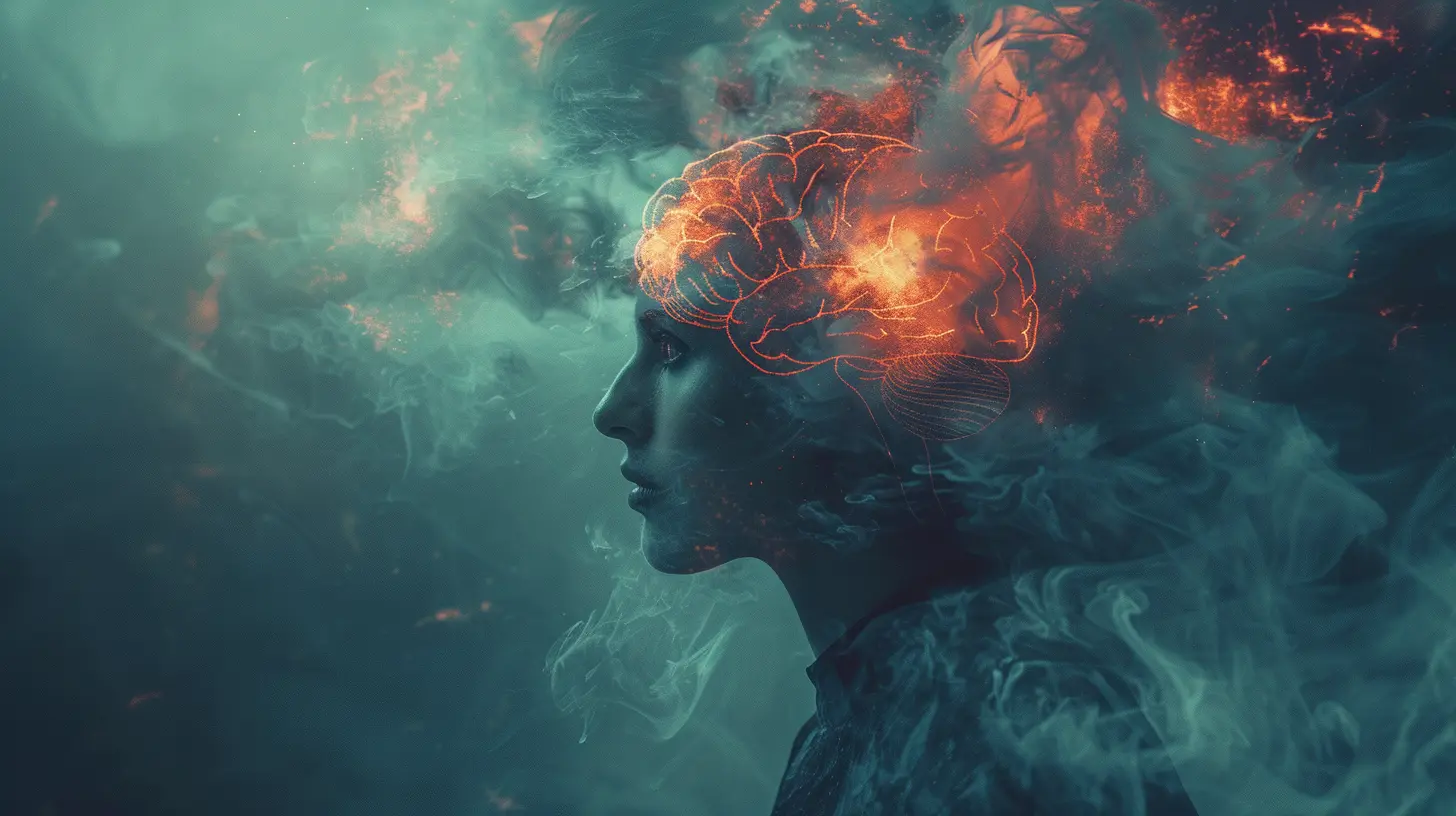
Post-Traumatic Stress Disorder (PTSD) isn’t just an emotional or psychological condition—it literally changes the structure and function of the brain. Imagine your brain as a complex electrical system. Now, picture a thunderstorm hitting it repeatedly, short-circuiting the wiring. That’s what PTSD does—rewiring connections, overloading circuits, and sometimes even shrinking certain areas altogether.
But how exactly does PTSD affect the brain? What happens inside your head when trauma takes hold? Buckle up, because we're about to take a deep dive into the science behind PTSD and the brain.
What Is PTSD, Really?
PTSD is a mental health condition triggered by experiencing or witnessing a traumatic event. It could stem from war, accidents, abuse, natural disasters, or any other deeply distressing experiences. While many people go through trauma and recover, those with PTSD experience prolonged and intense symptoms that don’t just go away over time.The key defining symptoms of PTSD include:
- Intrusive thoughts (flashbacks, nightmares)
- Avoidance (staying away from reminders of the trauma)
- Negative mood changes (feeling numb, hopeless, or emotionally detached)
- Hyperarousal (being constantly on edge, easily startled)
Now, let’s get into the brainy stuff—how trauma physically alters the brain.

The Three Major Brain Areas Affected by PTSD
PTSD affects three main regions of the brain: the amygdala, hippocampus, and prefrontal cortex. Think of them as teammates on your brain’s emotional regulation squad. When PTSD takes over, this team stops playing well together, and things go off the rails.1. The Amygdala: The Fear Center
The amygdala is like your own personal alarm system. It’s responsible for detecting threats and activating the body’s fight-or-flight response. In a normal situation, it helps you react quickly to danger (like jumping out of the way of a speeding car).But with PTSD, the amygdala goes into overdrive. It’s constantly on high alert, like a fire alarm that won’t stop blaring—even when there’s no fire. This explains why many people with PTSD feel constantly anxious or easily triggered by reminders of their trauma.
What PTSD Does to the Amygdala:
- Increases activity, making you more sensitive to perceived threats
- Triggers intense emotional reactions, even when there's no real danger
- Makes it harder to calm down after stress
2. The Hippocampus: The Memory Processor
The hippocampus is the brain’s filing cabinet for memories—it helps organize and store past experiences logically. Normally, it distinguishes between past and present, making sure old memories don’t feel like they’re happening right now.But PTSD shrinks the hippocampus. Yep, you read that right—trauma can physically shrink this part of the brain, making it less effective at processing memories properly. That’s why someone with PTSD may experience flashbacks—because their brain struggles to recognize that the trauma is in the past.
What PTSD Does to the Hippocampus:
- Reduces its size, making memory processing less efficient
- Leads to confusion between past and present (causing flashbacks)
- Increases difficulty in distinguishing real threats from harmless situations
3. The Prefrontal Cortex: The Rational Thinker
The prefrontal cortex (PFC) is like the CEO of the brain—it’s in charge of reasoning, impulse control, and decision-making. A healthy PFC keeps the amygdala in check, making sure fear responses stay rational.But with PTSD, the PFC weakens, meaning it struggles to rein in the overactive amygdala. This results in poor emotional regulation, impulsive behavior, and difficulty controlling fear responses.
What PTSD Does to the Prefrontal Cortex:
- Reduces activity, making emotional regulation harder
- Weakens its ability to suppress fear responses
- Leads to increased impulsivity and emotional outbursts

PTSD and Neurotransmitters: Chemical Chaos
On top of structural changes, PTSD also wreaks havoc on brain chemistry. Neurotransmitters are the brain’s messengers—tiny chemical signals that help regulate mood, stress, and emotions. PTSD messes with these, causing imbalances that fuel symptoms.Increased Cortisol: The Stress Hormone Gone Wild
Cortisol is meant to help you handle stress, but in PTSD, the system backfires. Prolonged trauma lowers overall cortisol levels while keeping the body in a constant state of anxiety. It’s like a broken thermostat—your body’s stress response never shuts off.Imbalanced Dopamine and Serotonin: Mood and Reward System Disruptions
PTSD disrupts serotonin (which regulates mood) and dopamine (which controls rewards and pleasure). This imbalance is why PTSD often coexists with depression, anxiety, and substance abuse.Hyperactive Norepinephrine: The "Fight or Flight" Chemical
Ever wonder why PTSD makes people feel constantly on edge? Blame norepinephrine, the brain’s adrenaline system. With PTSD, it’s in constant overdrive, making you jumpy, irritable, and hyper-vigilant.
Can the Brain Heal from PTSD?
The short answer? Yes—but it takes time and proper intervention. The brain is adaptable (thanks to neuroplasticity), meaning it can rewire itself through therapy, medication, and mindfulness practices.Ways to Help the Brain Recover
- Cognitive Behavioral Therapy (CBT): Helps retrain thought patterns that sustain PTSD symptoms.- Eye Movement Desensitization and Reprocessing (EMDR): A therapy technique that helps reprocess traumatic memories.
- Medication: SSRIs (like Prozac or Zoloft) can help rebalance neurotransmitters.
- Mindfulness and Meditation: Helps strengthen the prefrontal cortex and reduce amygdala overactivity.
- Exercise: Physical activity boosts brain health and helps regulate cortisol.
Final Thoughts
PTSD isn’t just psychological—it’s deeply biological. It reshapes brain structures, disrupts chemicals, and rewires emotional responses. But the good news? The brain is incredibly resilient. With the right treatment and support, it can heal and rewire itself over time.If you or someone you know is struggling with PTSD, it’s not a sign of weakness. It’s simply the brain’s way of trying to protect itself after trauma. And just like any wound, with the right care, it can heal.
all images in this post were generated using AI tools
Category:
Post Traumatic Stress DisorderAuthor:

Janet Conrad
Discussion
rate this article
1 comments
Karen McTavish
This article does a fantastic job of breaking down how PTSD impacts the brain. Understanding these effects can empower both those affected and their loved ones. Thank you for shedding light on such an important topic! Keep up the great work.
July 12, 2026 at 4:45 PM