How Sandplay Therapy Facilitates Healing for Children and Adults Alike
20 January 2026
When we think of therapy, words often take the lead—talking through problems, expressing feelings, and digging into past experiences. But what if words aren’t enough? Or what if someone, especially a child, doesn’t have the words to express what they’re feeling inside? That’s where sandplay therapy comes in, and let me tell you—it's not just for kids. Adults can benefit from this creative, non-verbal form of healing just as much.
Welcome to the world of sandplay therapy, where tiny figurines, a sandbox, and your imagination become the tools for profound transformation.
What Is Sandplay Therapy, Anyway?
Ever built a sandcastle as a kid and felt totally absorbed in it? Or pushed toy soldiers around in the dirt making up epic stories? That’s kind of the essence of sandplay therapy—but guided, intentional, and deeply therapeutic.Sandplay therapy is a type of expressive therapy founded by Swiss therapist Dora Kalff in the 1950s. It blends Jungian psychology with creative play therapy. In a nutshell, clients use miniature objects and a sandbox to create scenes or "worlds" that represent their inner thoughts, feelings, and struggles.
This might sound simple or even silly at first, but here’s the magic: your subconscious sneaks into the sand tray without you even realizing it. You start placing figures, maybe a castle in the corner, a dragon next to a crying child figurine, and boom—your inner world starts to unfold.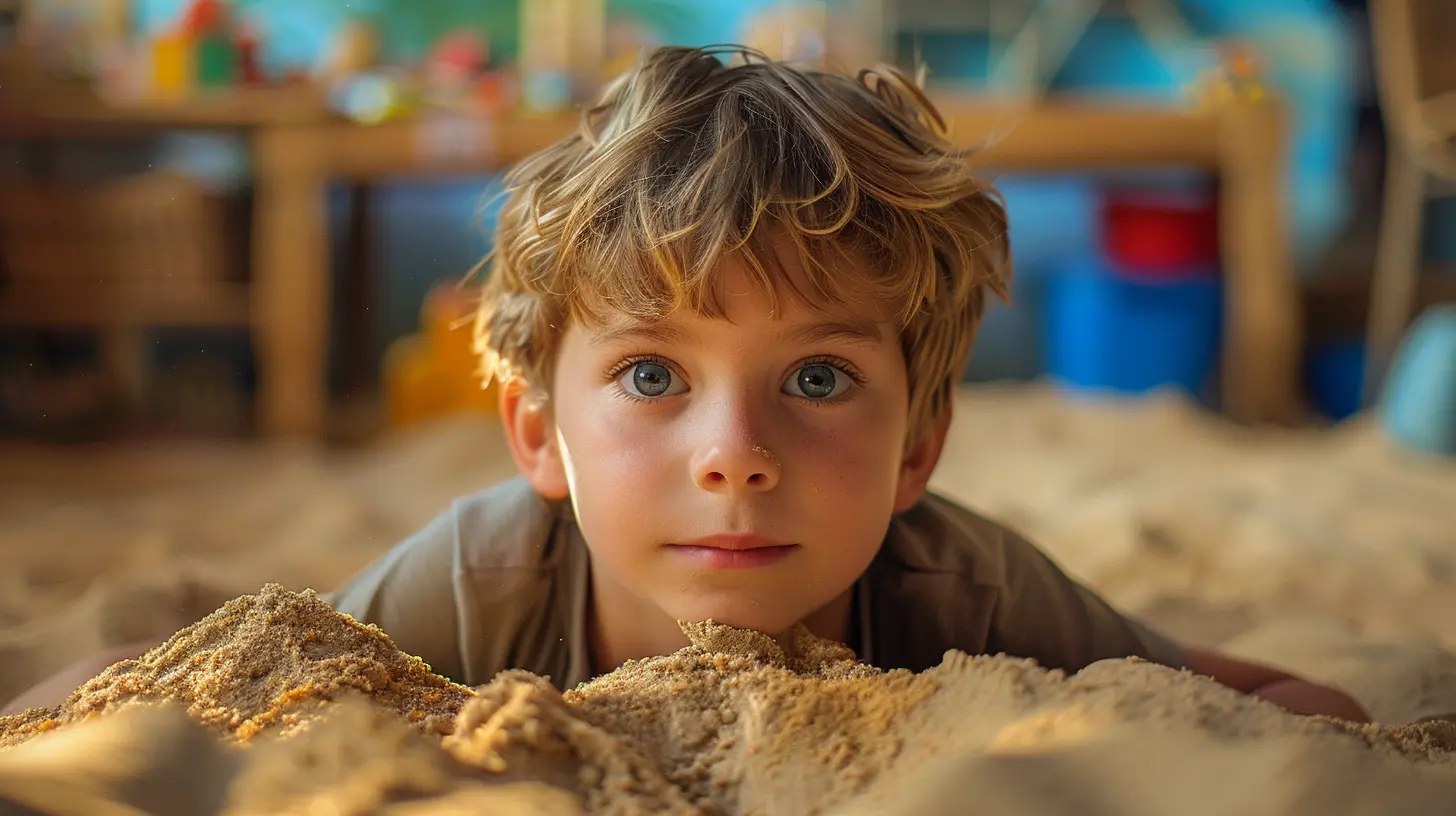
How Does Sandplay Therapy Work?
Let’s break it down.The Toolkit
In a typical sandplay room, you'll find:- A tray with sand (usually two: one with dry sand, one with moist)
- Shelves full of miniatures—think animals, houses, people, superheroes, vehicles, mythical creatures, nature elements, you name it
No instructions. No “right” or “wrong” way. Just intuition.
The Process
You (or your child) enter the room, and the therapist invites you to select any figures that draw your attention. Then, you place them in the sand however you like. The scene you create becomes a map—an expression of what's going on inside.The therapist doesn’t interpret each item like reading a dream. Instead, they look at the whole picture, encourage reflection, and let the healing naturally emerge from the story you’ve created.
And yes—sometimes you may not even talk during the session. The scene does the talking.
Why Sandplay Works for Kids
Let’s face it—kids aren’t always the best at articulating their feelings. If a child is traumatized, anxious, grieving, or angry, asking “How do you feel about that?” might get you a shrug at best.Play Is Their Language
Children naturally use play to process the world around them. It’s how they learn, explore, and communicate. Sandplay taps into that instinct. No pressure to "perform" or "explain." Just play.In the tray, a child might create a chaotic battlefield or a peaceful garden. They may repeat the same story over several sessions, subtly changing details as they work through their emotions.
Safety and Control
The sand tray becomes a controlled space. For children facing circumstances that feel out of control—divorce, trauma, bullying—the tray offers a taste of security. They decide what goes where. They create, destroy, rebuild. It’s empowering.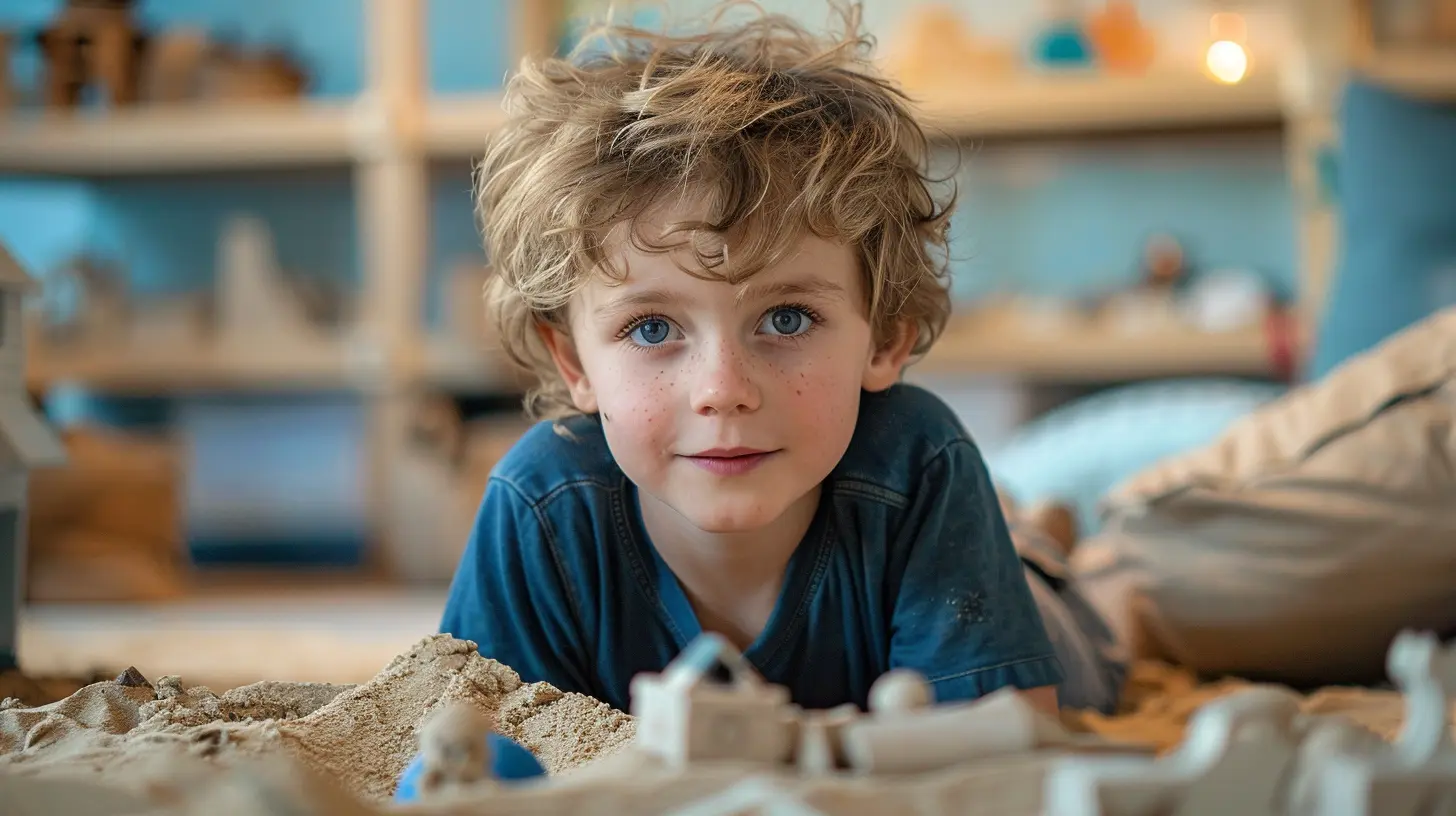
And Yes, Adults Benefit Too
Now, you might be thinking, "Okay, but I’m not five—how is sandplay going to help me?"Here’s the thing: as adults, we often get trapped in our heads. We intellectualize. We suppress. We overthink. Sandplay cuts through all of that.
Accessing the Subconscious
The symbolic nature of sandplay therapy allows adults to tap into layers of the psyche that are hard to reach with words. You may find yourself drawn to a broken bridge or a warrior figure without understanding why—until your story unfolds in the sand.Emotional Release Without Talking
For trauma survivors, talking can be triggering. Sandplay offers a safe and gentle route to healing. It bypasses the need to rehash painful memories out loud.One adult client may use the sand to recreate a childhood home, while another might depict a battlefield with a lone survivor. It’s not about the literal—it’s about the meaning.
What Issues Can Sandplay Therapy Help With?
Quite a lot, actually.For Children:
- Trauma- Anxiety
- ADHD
- Autism Spectrum Disorders
- Grief/loss
- Aggression or behavioral issues
- Divorce or family conflict
For Adults:
- PTSD- Depression
- Anxiety
- Complex grief
- Inner child healing
- Relationship challenges
- Life transitions
The beauty of it? Diagnosis isn’t a barrier. You don’t need to "qualify" for sandplay—you just need to show up.
What Makes Sandplay Therapy Different from Other Types of Therapy?
Great question.It’s Non-Directive
Unlike cognitive-behavioral therapy (CBT), where the therapist might guide you through structured exercises, sandplay is client-led. You're given full freedom to create whatever you want, however you want.It Taps into Symbolism
Sandplay is deeply rooted in Jungian psychology, so it uses universal archetypes and symbolism. You may not realize the meaning of the dragon you placed at first, but later it may reflect a personal battle or inner protector.It’s Whole-Brain
We often separate the emotional (right brain) and logical (left brain). Sandplay engages both. You’re creating (right brain) while also processing the "story" (left brain). That balance creates real change.Real-Life Transformations
Let’s say an 8-year-old girl who witnessed domestic violence keeps creating chaotic scenes with fighting animals. Over weeks, her sand worlds slowly shift—less fighting, more resolution, maybe a safe home appears. Her inner world is changing.Or picture a 40-year-old man grieving his mother. He uses the sand tray to recreate a cemetery, and places a guardian angel nearby. He never says a word, but he cries—and something releases.
These aren’t just stories. They’re real moments of healing.
What to Expect in a Sandplay Session
Thinking of trying it yourself or curious for your child? Here's what a typical session looks like.- You enter a calm, welcoming room.
- The therapist explains the process—no expectations, no judgment.
- You choose from hundreds of miniatures.
- You begin creating your scene in the sand tray.
- After you're done, the therapist may invite you to talk about it—but only if you're comfortable.
- Over time, patterns emerge, and healing takes root.
Sessions usually last between 45 minutes to an hour and can be weekly or biweekly, depending on the need.
Is Sandplay Therapy Effective?
Absolutely—and it’s backed by growing research.Studies show that sandplay therapy can significantly reduce symptoms of anxiety, PTSD, and depression, especially among children and adolescents. It's also been shown to improve emotional regulation and self-esteem.
For adults, the benefits include deeper self-awareness, inner peace, and resolution of buried trauma.
But perhaps the greatest evidence is anecdotal. Clients often leave sessions feeling lighter, more centered, and better understood—even if they’ve barely spoken a word.
Is It Just “Playing” in the Sand?
That’s a common misconception. Sure, it looks like play on the surface—and isn’t that wonderful? But beneath that is serious emotional work. The kind that heals wounds you didn’t even know were still open.Think of sandplay therapy as a bridge—between the conscious and unconscious, between pain and healing, between chaos and clarity.
Final Thoughts
In a world that often demands we “just talk about it,” sandplay therapy offers a refreshing alternative—a place where healing doesn’t require perfect words or even a single sentence. Whether you're a curious adult feeling stuck or a parent worried about your child’s silence, sandplay therapy gently invites the inner world to speak.So maybe next time you think of “talk therapy,” add a sandbox to the picture. You might just find that the path to healing starts with a tiny figure, a handful of sand, and a story only you can tell.
all images in this post were generated using AI tools
Category:
Therapy TechniquesAuthor:

Janet Conrad
Discussion
rate this article
2 comments
Wolf McAdams
This beautifully highlights the transformative power of sandplay therapy for all ages. Thank you!
February 6, 2026 at 4:05 AM
Janet Conrad
Thank you for your kind words! I'm glad you found the article highlights the transformative effects of sandplay therapy.
Zayn McGee
Fascinating! I wonder how sandplay therapy connects with deeper emotional healing processes.
January 29, 2026 at 3:58 PM
Janet Conrad
Thank you! Sandplay therapy allows individuals to express and explore their emotions creatively, fostering deeper connections to their inner experiences and facilitating healing through symbolic play.