How Teachers Can Adapt Instruction for Students with Learning Disabilities
16 June 2026
Let’s face it—teaching isn’t a one-size-fits-all gig. Every classroom is a colorful mix of personalities, learning styles, and ability levels. And when you’re working with students who have learning disabilities, it’s not just about teaching the curriculum—it’s about reaching them, really connecting, and helping them thrive. So, how can teachers tweak their instruction to make sure every student has a fair shot at success?
This isn't some theory-driven, jargon-packed article. This is real talk for real teachers who want to make a difference. So grab your coffee, settle in, and let’s unpack how you can adapt instruction for students with learning disabilities—without burning out.
What Are Learning Disabilities, Really?
Before we dive into strategies, we need to be super clear: what exactly are learning disabilities?Learning disabilities (LDs) are neurologically-based processing differences. That fancy definition just means that a student’s brain works a little differently when it comes to things like reading, writing, math, or following directions. It's not a sign of low intelligence or laziness—far from it. These students are just wired differently.
Common learning disabilities include:
- Dyslexia – difficulty with reading and language processing
- Dyscalculia – challenges in understanding numbers and math
- Dysgraphia – trouble with handwriting or written expression
- Auditory Processing Disorder (APD) – difficulty processing sounds
- Visual Processing Disorders – challenges with interpreting visual information
Here’s the kicker: many of these are invisible. So if a student seems “lazy” or “not paying attention,” chances are they’re trying—but their brain is doing acrobatics just to keep up.
Why Teachers Need to Adapt (and It’s Not Just Nice to Do)
Let’s put it simply: if your instruction isn't reaching all students, it isn't working. It's not just a personal choice—it's an educational and ethical imperative.These students aren’t outsiders in your class. They’re part of the core. The law backs them up (hello, IDEA and 504 plans), but more than that, adapting your instruction shows empathy, professionalism, and a commitment to equity.
So the big question: What can you do?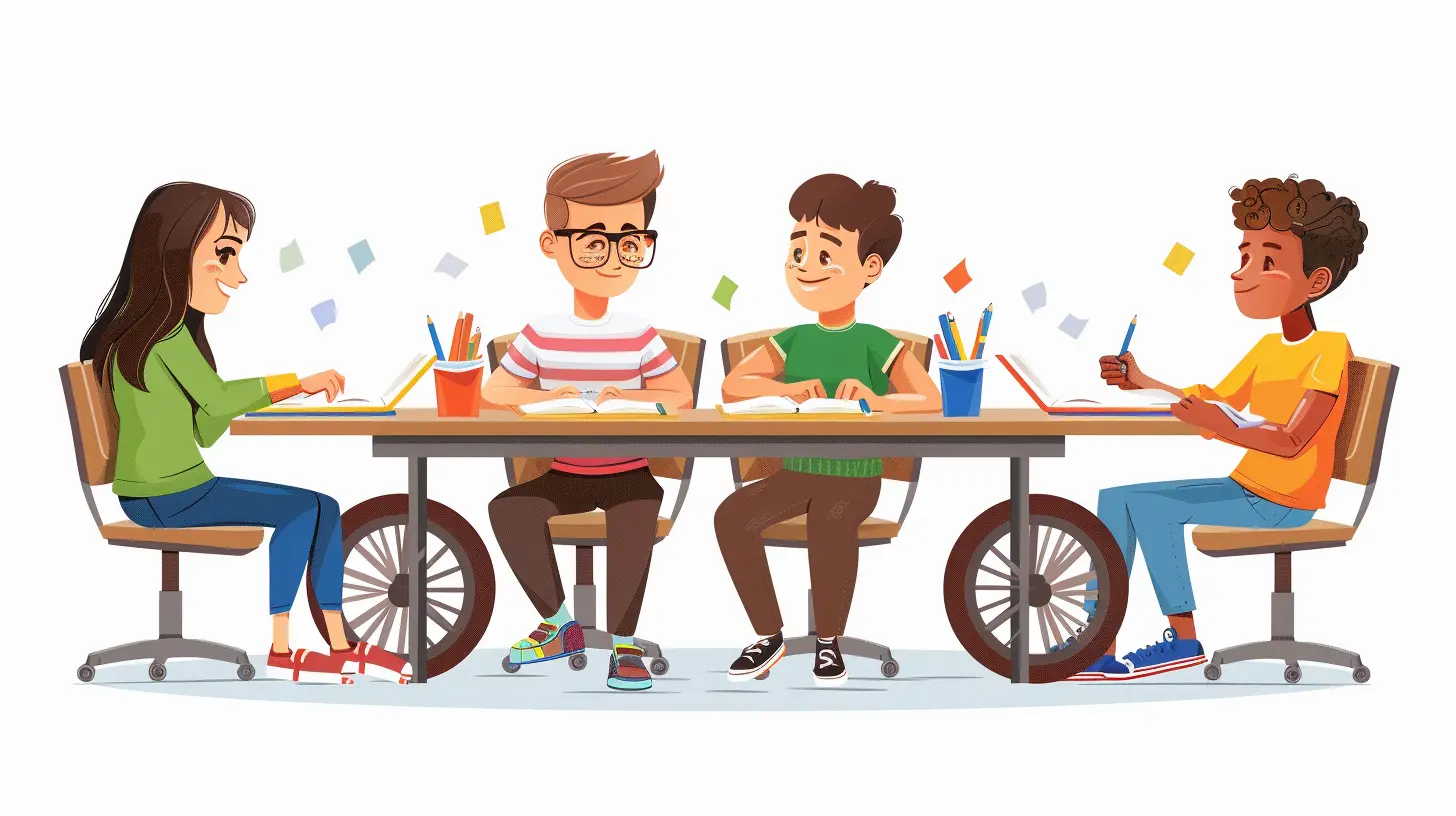
1. Get to Know Their Strengths First
Here’s a little secret—students with learning disabilities actually have a ton of strengths. The trick is finding them. Some are problem solvers, others are creative minds, and many are emotionally intelligent. Don’t just zero in on what they can’t do. Start by figuring out what they CAN do.✔️ Ask yourself:
- What do they enjoy?
- Where do they shine?
- How do they learn best?
Once you’ve got a grip on their strengths, you can build your lessons around them. Like building a house—you start with a solid foundation.
2. Use Multi-Sensory Teaching—It’s a Game Changer
Imagine trying to learn something new using only your ears. No visuals. No hands-on practice. Sounds tough, right? That’s what school often feels like for students with LDs.Multi-sensory learning means using sight, sound, touch, and movement—all at once. For example:
- Use colorful visuals and diagrams in lessons
- Let students build models or act out scenes
- Incorporate music or rhythm into lessons
- Use textured letters or sandpaper writing for spelling practice
The more senses involved, the more neural pathways are activated. Think of it like opening multiple doors to learning. If one’s stuck, another might swing wide open.
3. Break It Down. Way Down.
Ever try to assemble furniture from a manual with zero words and only strange diagrams? Frustrating, right?That’s how complex instructions feel to a student with a learning disability. So instead of dumping all directions at once, chunk it.
👉 Break assignments into smaller steps
👉 Provide visual schedules or checklists
👉 Repeat instructions—patiently
👉 Use color coding to show steps or categories
Keep it simple and clear. Overexplaining is better than assuming they know what you mean. Trust me on this.
4. Give Them More Time (And Don't Make It a Big Deal)
Imagine you’re running a race, but everyone else gets a 10-second head start. That’s what it feels like when LD students are expected to finish work at the same pace as others.Timing is everything. And for these students, extra time isn’t a crutch—it’s a ramp.
Offer:
- Extended time on tests and quizzes
- Flexible deadlines on assignments
- Alternative ways to show what they know (projects, oral reports, videos, etc.)
And please, don’t make it obvious or embarrassing. Normalize it. Let all students know that everyone learns differently, and that’s okay.
5. Use Assistive Technology—Let Tech Do the Heavy Lifting
Today’s tech isn’t just cool—it’s essential for a lot of learners. Educational technology can bridge big gaps for students with LDs.Some of the best tools include:
- Text-to-speech tools (like Read&Write or NaturalReader)
- Speech-to-text apps (like Dragon Dictation)
- Audio books (through Learning Ally or Audible)
- Word prediction software
- Graphic organizers on apps like Popplet or MindMeister
You don’t have to be a tech wizard. Even just introducing one app can make a difference. And hey, these tools aren’t just for LD students—lots of kids benefit from them!
6. Make Room for Movement and Breaks
Sitting still for long periods? Not great for any kid—and ten times worse for a student with a learning disability.Why not:
- Let students stand while they work?
- Offer short brain breaks between tasks?
- Get them moving with learning stations or kinesthetic activities?
Movement activates the brain. It works like pressing “refresh” on a sluggish computer. So get those bodies moving—it’s not chaotic, it’s strategic.
7. Foster a Growth Mindset (Yes, It Really Works)
Ever hear a student say, “I’m just dumb,” or “I’ll never get this”? That’s what fixed mindset sounds like—and it's poison for learners with a disability.It’s your job to flip the script.
Start praising effort over results. Celebrate small wins. Introduce stories of successful people with learning disabilities—like Einstein, Whoopi Goldberg, or Richard Branson.
Let them see that struggle doesn’t mean failure—it means you're learning. And reassure them that progress beats perfection every single time.
8. Partner With Parents—They’re Your Secret Weapon
Parents of kids with LDs often know their child’s learning style like the back of their hand. Don’t wait until a problem pops up—build strong communication from the start.Shoot quick emails. Share progress. Ask for insight.
And don’t forget: consistency across home and school is huge. Parents and teachers working together? That’s superhero stuff right there.
9. Redefine Success in Your Classroom
Grades and tests aren’t the only indicators of learning. Be open to alternative assessments:- Oral reports or presentations
- Creative projects
- Portfolios
- One-on-one conferences
Ask yourself: “What do I really want them to understand?” Then let them show it in a way that plays to their strengths.
When we redefine what success looks like, we open the doors for all students to walk through.
10. Be Patient, Be Kind, Be Flexible
Let’s wrap this up with a little realism. Supporting students with learning disabilities isn’t always easy. It takes time. It takes patience. It takes empathy in bucketloads.But the rewards? Huge.
You’ll see growth you never expected. You’ll earn lifelong respect. And you’ll become that teacher—the one they remember, the one who saw them, really saw them.
So lean in. Be flexible. Laugh when things get messy. And above all, believe in your students—because they’re counting on you.
Final Thoughts
Adapting instruction for students with learning disabilities isn’t about lowering the bar. It’s about leveling the playing field. It’s about equity. When we design our classrooms to embrace neurodiversity, we create learning environments where all kids can shine.If you’re still reading, you’re clearly in it for the right reasons. You care. You’re willing to grow. And most of all, you’re ready to make a difference.
So get out there and do it. Your students are waiting.
all images in this post were generated using AI tools
Category:
Learning DisabilitiesAuthor:

Janet Conrad
Discussion
rate this article
1 comments
Will McCarthy
Every student deserves a chance. Teachers must ditch the one-size-fits-all approach and genuinely embrace the unique needs of each learner.
July 10, 2026 at 2:31 PM
Janet Conrad
Absolutely, personalized approaches can make a significant difference. Each learner's needs are unique, and adapting instruction is key to fostering their success.