Mental Strength Through the Lens of Stoic Philosophy
8 June 2026
Mental strength is often misunderstood. Many people think it’s about being tough, unfeeling, or constantly pushing through difficulties without acknowledging pain or discomfort. But what if I told you mental strength is more about how you handle your thoughts and emotions, and less about suppressing them? This is where Stoic Philosophy comes into play — a philosophy that has been around for thousands of years, yet is surprisingly relevant to modern life.
In this article, we’ll dive deep into the concept of mental strength, explore how Stoic Philosophy provides a framework for building and maintaining it, and learn practical strategies to apply these ancient wisdoms to your everyday challenges.
What is Mental Strength?
Before we connect mental strength to Stoic Philosophy, let’s first clarify what mental strength actually is. Mental strength isn't about pretending to be fine when you're not. It's about resilience — the ability to adapt to stress, adversity, and hardship without letting them defeat you. It's about being in control of your emotions rather than letting your emotions control you.Think of mental strength as a muscle. Just like physical muscles, you can develop mental strength through practice and discipline. It doesn’t mean you won’t face challenging situations, but rather, you will handle them more effectively.
Traits of Mentally Strong People
Mentally strong people are not those who never experience fear, doubt, or sadness. Instead, they:- Know how to manage their emotions.
- Are able to stay calm under pressure.
- Don’t waste energy on things beyond their control.
- Know when to take responsibility and when to let go.
- Bounce back from failures and setbacks.
Notice something? These traits are very much aligned with another ancient set of teachings—Stoic Philosophy.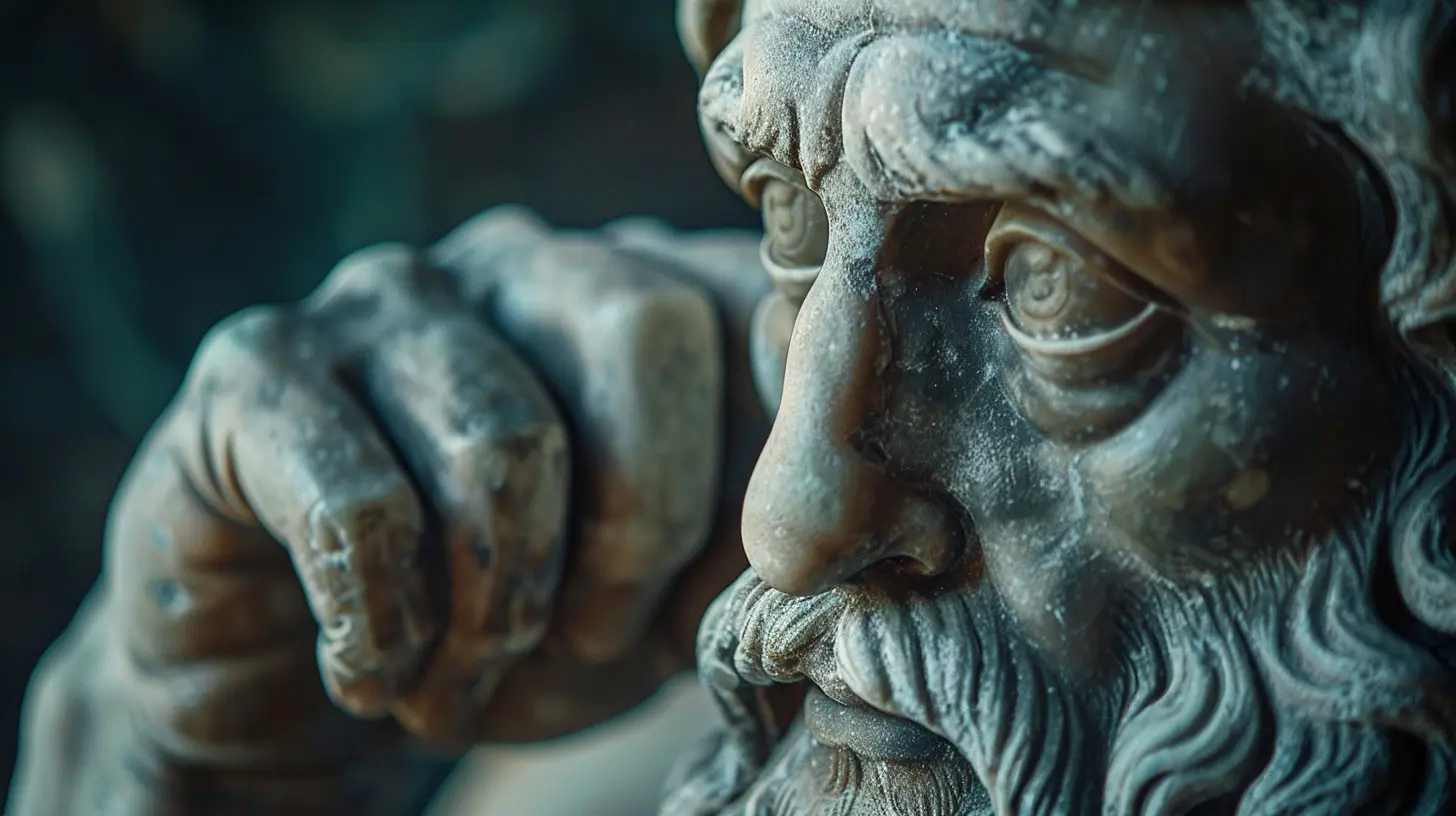
What is Stoic Philosophy?
Stoicism is one of the most influential schools of thought founded in Athens during the 3rd century BC. The philosophy was developed by thinkers like Zeno of Citium, Epictetus, Seneca, and the Roman Emperor Marcus Aurelius. But don’t let the ancient dates fool you. Stoicism is as relevant today as it was thousands of years ago.At its core, Stoicism teaches that while we cannot control external events, we can control how we respond to them. The focus is on personal virtue and wisdom, and how we can maintain a sense of tranquility and resilience in the face of life’s inevitable challenges.
Core Principles of Stoic Philosophy
To understand how Stoicism can help you build mental strength, we must first get familiar with its core principles. These principles can serve as a mental toolbox that you can draw from when life gets tough.1. Control What You Can, Accept What You Can’t
One of the foundational teachings of Stoicism is the “Dichotomy of Control.” This is the idea that there are two things in life: those we can control and those we cannot. The Stoics teach us to focus solely on what we can control—our thoughts, actions, and responses—and to let go of everything else.Think about it: How much energy do we waste worrying about things outside our control? Worrying about what others think of us, stressing over future events, or getting upset about things that have already happened. According to the Stoics, this is not only a waste of time, but it also undermines our mental strength.
2. Negative Visualization (Premeditatio Malorum)
This practice sounds a bit odd at first, but stick with me. Premeditatio Malorum, or negative visualization, involves imagining worst-case scenarios to prepare yourself mentally and emotionally. By doing this, you lessen the shock if things do go wrong and increase your appreciation for the present moment when things are going well.For instance, instead of dreading a presentation at work and hoping nothing goes wrong, imagine all the ways it could go wrong. The projector might fail, you might stumble over your words, or someone might ask a question you can’t answer. By mentally rehearsing these possibilities, you’ll reduce their emotional impact if they happen. Plus, you’ll be more prepared to handle these situations calmly and logically.
3. Amor Fati (Love of Fate)
Amor Fati is the Stoic practice of loving everything that happens to you, whether good or bad. It’s about embracing your life as it is, rather than wishing for something different. This doesn’t mean you have to enjoy suffering, but it does mean accepting challenges as part of life’s natural course.When we resist or resent difficulties, we drain our mental energy. However, when we approach life with Amor Fati, we increase our resilience and mental strength by flowing with life, not against it. It’s like trying to swim upstream versus going with the current. The more you fight, the more exhausted you’ll become.
4. Focus on Virtue
For the Stoics, the ultimate goal in life is to live virtuously. Virtue, in Stoic terms, means acting with wisdom, courage, justice, and temperance. When faced with a tough situation, instead of reacting emotionally, ask yourself, "What is the most virtuous response I can give?"Virtue is the compass that guides Stoic thought. By focusing on doing the right thing, regardless of the outcome, you shift your mindset away from fear, anger, or frustration and toward a more balanced, grounded approach to challenges.
How Stoicism Builds Mental Strength
Alright, now that we have a grasp on Stoicism's core principles, let’s explore how these teachings directly contribute to building mental strength.1. Emotional Regulation
One of the biggest challenges to mental strength is emotional overwhelm. When emotions run high—whether it's anxiety, anger, or sadness—it’s easy to feel out of control. Stoicism helps us learn how to regulate our emotions by teaching us to focus on what we can control and calmly accept what we cannot. When you’re not constantly reacting to every little thing, you have more mental energy to invest in productive, creative, and positive pursuits.2. Resilience in the Face of Adversity
Life can be unpredictable. The Stoics knew this well. Their philosophy encourages us to expect challenges and setbacks. By embracing the concept of Amor Fati and practicing negative visualization, we become more resilient. Instead of getting blindsided by tough times, we are mentally prepared to handle them with grace and composure. This resilience is a hallmark of mental strength.3. Self-Discipline
Stoicism emphasizes the importance of self-discipline. Whether it’s practicing moderation, staying away from distractions, or exercising patience, self-discipline is a key element of mental strength. By cultivating control over your impulses and desires, you become less reactive and more reflective.4. Letting Go of Ego
A lot of our mental struggles come from pride or ego. We get offended, feel slighted, or worry about how others view us. Stoicism teaches us to minimize the role of the ego. Instead of taking things personally, we can step back and evaluate situations more rationally. This detachment from ego fosters mental clarity and strength, allowing us to move through life with less friction.Applying Stoic Practices in Everyday Life
You don’t need to be a philosopher to implement Stoic practices in your day-to-day life. Here are a few simple ways to start:1. Morning Meditation
Spend five minutes each morning reflecting on what you can and cannot control throughout your day. Mentally prepare yourself for any challenges that might arise.2. Practice Gratitude and Negative Visualization
Before bed, think about the things you're grateful for. Then, take a moment to visualize any potential difficulties you might face the next day. This helps you feel both appreciative and prepared.3. Pause Before Reacting
When something triggers you, try to pause before responding. Ask yourself: "Is this within my control?" and "What is the most virtuous response?"4. Journal on Virtue
Reflect on your day by journaling about how you handled situations. Did you respond with wisdom, courage, justice, and temperance? Where could you improve?Final Thoughts
Mental strength is not about being invincible. It’s about being adaptable, resilient, and emotionally intelligent. Stoic Philosophy offers a timeless framework for developing these traits. By focusing on what we can control, preparing ourselves for adversity, and living in alignment with virtue, we can not only survive life's challenges but thrive in spite of them.The Stoics believed that true freedom comes from mastering our thoughts and emotions. And in a world full of distractions, uncertainties, and struggles, this ancient wisdom is more relevant than ever.
all images in this post were generated using AI tools
Category:
Mental StrengthAuthor:

Janet Conrad
Discussion
rate this article
1 comments
Yasmine O'Neal
This article offers valuable insights into applying Stoic principles for mental resilience. The connection between philosophy and psychology is intriguing and can empower individuals to navigate challenges with greater strength and clarity. Well done!
June 26, 2026 at 3:38 PM
Janet Conrad
Thank you for your kind words! I'm glad the article resonated with you and highlighted the valuable link between Stoicism and mental resilience.