Navigating PTSD Triggers in Everyday Life
17 July 2026
Let’s be real—life isn’t always a smooth ride. For people living with Post-Traumatic Stress Disorder (PTSD), everyday life can feel like walking through a minefield of emotional tripwires. You could be grabbing a cup of coffee, scrolling through social media, or hearing a certain song—and boom, you're hit with a wave of emotion so intense it steals the breath from your lungs.
PTSD triggers aren't just "bad memories." They're deep-rooted emotional and physical responses that can shake someone to their core. And they can show up anytime, anywhere. But here’s the silver lining: navigating PTSD triggers is possible. With awareness, self-compassion, and a few practical tools under your belt, you can create more peace in your daily life. Let’s dive into this together.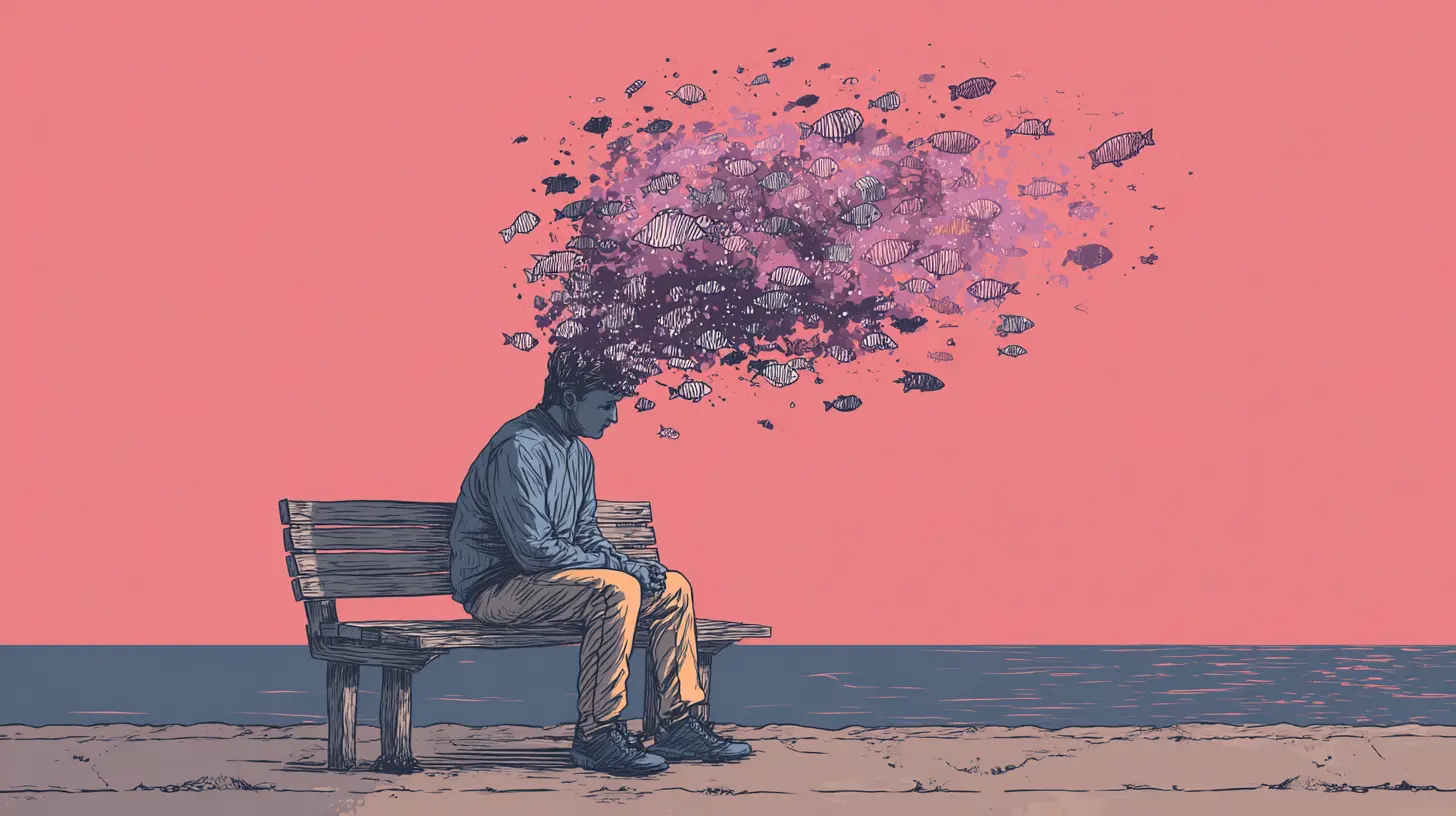
What Are PTSD Triggers, Exactly?
A trigger is basically anything—yes, anything—that reminds a person of the trauma they’ve experienced. It could be:- A sound (like fireworks or sirens),
- A smell (maybe cologne or smoke),
- A place (like a hospital or street corner),
- Even something someone says or does.
And the kicker? Sometimes even positive events, like a birthday party or social gathering, can set off a PTSD response. Why? Because the brain gets confused and associates emotional intensity or lack of control—good or bad—with the trauma from the past.
The Brain’s Alarm System
Imagine your brain has a smoke detector. For people with PTSD, that smoke detector is extra sensitive. It starts blaring even when there's just a bit of steam from the shower. Your amygdala (the part of your brain responsible for detecting threats) is on high alert, and your prefrontal cortex (the reasoning part) gets temporarily hijacked. This combo makes even minor triggers feel like full-blown danger zones.
Common Everyday PTSD Triggers
Let’s break down some of the most common PTSD triggers that hide in plain sight in our daily routines:1. Sounds and Smells
A slamming door, the screech of tires, a particular song—it can be instant transport back to a traumatic moment. Smells like alcohol, burning food, or even someone’s perfume can act like time machines, pulling you back to a memory you’d rather forget.2. Conflict or Arguments
Even if the situation feels minor to others, someone with PTSD might feel overwhelmed with fear or panic during conflict. Raised voices or a hostile tone can be triggering—even if it’s not directed at them.3. Media Content
News headlines, violent movies, or social media posts can quickly become emotional landmines. The overexposure to distressing content can open old wounds before you even know what hit you.4. Anniversary Dates
The body can remember even if the mind forgets. A certain time of year, month, or even weather pattern can serve as a subconscious reminder of a traumatic experience.5. Physical Touch
Not all touch is comforting. For someone with PTSD—especially if rooted in physical or sexual trauma—unexpected or non-consensual touch can lead to intense emotional reactions.
Recognizing Your Personal Triggers
Each person’s trauma is uniquely theirs. So naturally, their triggers are too. The first step in managing PTSD triggers? Know thyself.Start a Trigger Journal
Keep a small notebook or phone journal handy. Each time you feel your anxiety spike or you notice a PTSD symptom coming on, jot down:- What happened right before?
- What were you doing, hearing, smelling, seeing?
- How did your body react?
Over time, patterns will start to emerge. You’ll begin to connect the dots between certain stimuli and your emotional or physical reactions.
Grounding Techniques: Your Emergency Toolkit
When triggers sneak up on you (and let’s be honest, they often do), having some grounding tools in your back pocket can make all the difference.1. The 5-4-3-2-1 Method
This is a classic for a reason. It brings your mind back to the present using your five senses:- 5 things you can see
- 4 things you can touch
- 3 things you can hear
- 2 things you can smell
- 1 thing you can taste
It might sound simple, but it works. It's like giving your brain a warm, calm hug.
2. Box Breathing
Inhale for 4 seconds, hold for 4, exhale for 4, hold for 4. Repeat a few times. This technique helps reset your nervous system and slow your racing thoughts.3. Name the Emotion
Call it out. Literally. Saying “I feel anxious” or “This is a flashback” helps separate you from your feelings. You’re not your trauma—you’re a person experiencing a trauma response.4. Safe Object
Carry a small item that represents safety, like a smooth stone, a piece of jewelry, or even a photo. When you feel triggered, holding this item can help ground you in the present.Building a PTSD-Friendly Daily Routine
While you can’t predict every trigger, building a stable and soothing routine can help reduce their impact.Morning Mindfulness
Start your day with intention. Whether it’s 10 minutes of quiet breathing, journaling, or stretching, a calm morning can create a ripple effect that shields you throughout the day.Scheduled Movement
Exercise isn’t just for your body—it’s therapy for your brain. Whether it’s a gentle walk, yoga, or dancing in your room with headphones on, movement helps release tension and boosts those delightful brain chemicals like dopamine and endorphins.Manage Your Media Diet
Be picky about what you consume. Limit exposure to stressful news and violent content. Follow pages that promote positivity, healing, and hope.Create a Calm Zone
Designate a space in your home that feels peaceful and safe. Fill it with calming scents, cozy textures, and things that bring you joy. Go there when the world feels like too much.Reaching Out: You’re Not Meant to Do This Alone
There’s so much strength in asking for help. Whether you’re newly diagnosed or years into your healing, support is a game changer.Therapy Matters
A trauma-informed therapist can help you unpack, understand, and work through your triggers. Therapies like EMDR (Eye Movement Desensitization and Reprocessing), CBT (Cognitive Behavioral Therapy), or Somatic Experiencing are especially effective for PTSD.Build Your Support Crew
Friends, family, online communities—find your people. Those who listen without judgment, who walk with you instead of trying to “fix” you.Talk About It When You’re Ready
Not everyone will get it. But you don’t have to explain everything to everyone. Even just saying, “That was a trigger for me. I need a moment,” can be incredibly empowering.Self-Compassion: The Unsung Hero
You’re not weak. You’re not broken. You’re not overreacting.You’re healing.
Healing from trauma is messy, nonlinear, and deeply personal. There’ll be days you feel on top of the world and days you struggle to get out of bed. That’s okay.
Give Yourself Grace
Talk to yourself like you would to a close friend. Would you tell them to "just get over it"? Heck no. So don’t say that to yourself either.Celebrate the small wins. Made it through a triggering event without spiraling? That’s a victory. Practiced your breathing today? Kudos to you. Every step forward—no matter how small—is still progress.
When Triggers Happen Anyway...
You can have all the tools in place, and triggers might still strike. That doesn’t mean you're failing. It means you're human.Here’s what to do when you're in the storm:
- Get to safety first, physically and emotionally.
- Use grounding techniques to ride the wave.
- Remind yourself: “This is a response. It will pass.”
- Reach out—send a text, call someone, go to your calm zone.
- Reflect later—What helped? What didn’t? What can you try next time?
Healing isn’t about avoiding triggers forever, it’s about learning how to move through them with more ease and self-compassion.
You Deserve Peace
Living with PTSD doesn’t mean you’re doomed to a life ruled by fear. You are not your trauma, and you absolutely can reclaim your sense of safety, moment by moment. Navigating PTSD triggers in everyday life is tough—but with awareness, support, and a little emotional toolbox of calming strategies, it becomes manageable.You're allowed to have bad days.
You're allowed to feel everything.
You're allowed to take your time.
And most importantly—you’re not alone.
all images in this post were generated using AI tools
Category:
Post Traumatic Stress DisorderAuthor:

Janet Conrad