Neurodiversity in the Classroom: Embracing Learning Differences
22 June 2026
School—the place where young minds bloom, where curiosity takes root, and where each student carries a world of untapped potential. But what happens when the classroom, meant to nurture all, only caters to the "typical" learner? What about the child who sees the world in vibrant, unexpected patterns? The one who struggles with numbers but paints emotions on a canvas like a maestro? Or the student who can't sit still because their mind races faster than their feet?
This is where neurodiversity steps in, challenging the old narrative and celebrating the fact that every brain works in wonderfully unique ways. It’s not about "fixing" students or making them fit a mold—it’s about reshaping education to embrace the beautiful spectrum of human cognition. 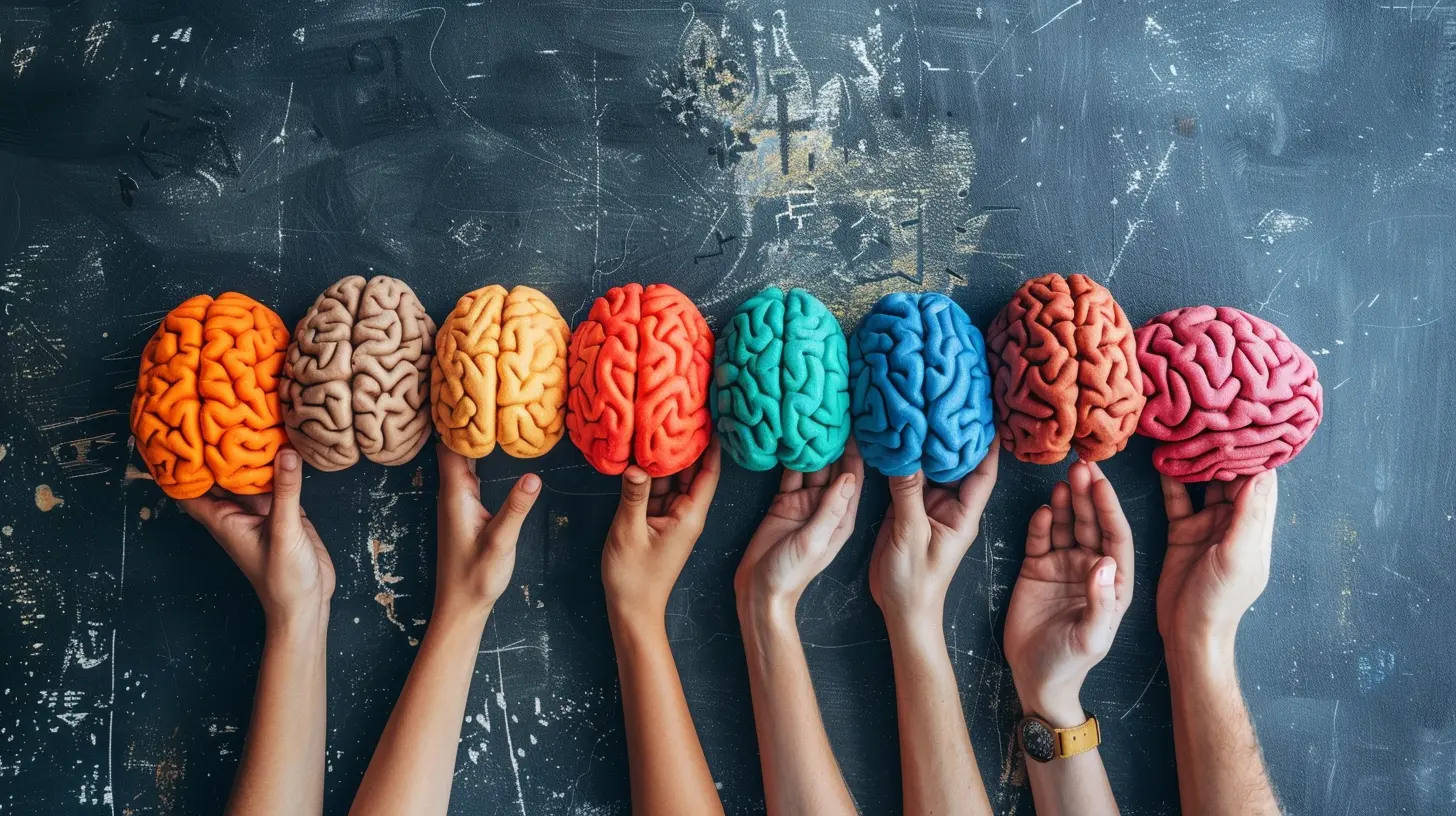
What is Neurodiversity?
Neurodiversity is the idea that no two brains are wired the same—and that’s not a flaw, it’s a strength. It recognizes that conditions like ADHD, autism, dyslexia, and other learning differences aren’t defects but natural variations of the human experience.Think about it: If every flower in a garden looked the same, would it still be beautiful? If every song had the same melody, would music move us the way it does? The diversity in how we think, learn, and process information is what makes humanity creative and resilient. 
Why Neurodiversity Matters in the Classroom
The traditional education system is structured like a one-size-fits-all t-shirt. But let’s be real—how often does "one-size-fits-all" actually fit everyone? Some students thrive with lectures, others need interactive activities. Some absorb knowledge through words, while others understand better through visuals or hands-on experiences.By embracing neurodiversity, teachers unlock the full potential of every student rather than leaving some struggling to keep up simply because their brains work differently. When learning differences are acknowledged and respected, classrooms transform into safe spaces where all students can flourish. 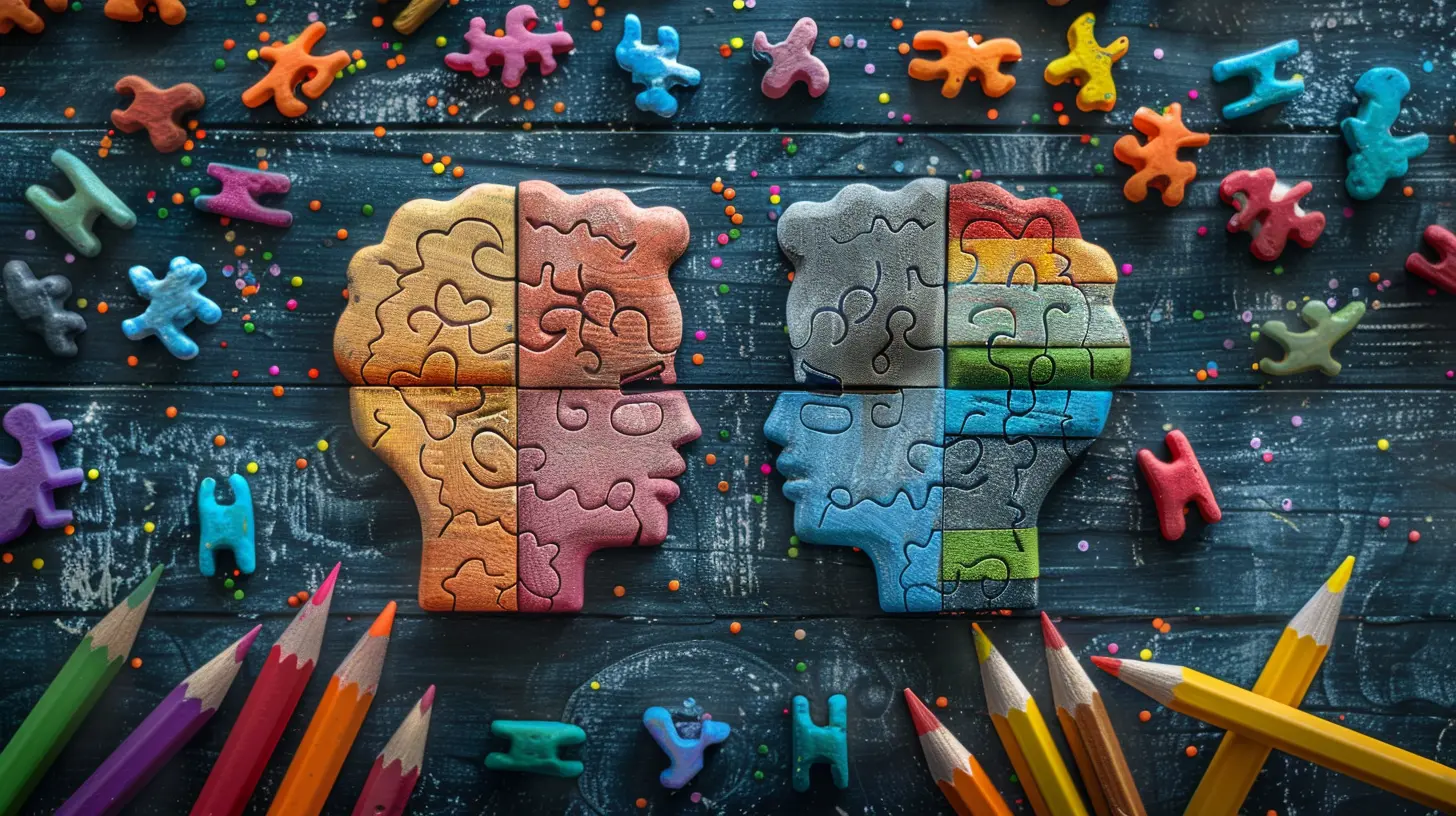
Common Neurodiverse Learning Styles
Let’s take a closer look at some neurodiverse conditions and how they shape the way students learn:1. ADHD (Attention Deficit Hyperactivity Disorder)
For students with ADHD, sitting still and focusing on a single task may feel like trying to catch the wind—nearly impossible. Their minds are constantly buzzing with ideas, making traditional lectures a challenge.How to Support Them:
- Allow movement breaks—wiggle time isn’t a distraction, it’s a necessity.
- Use interactive activities to keep engagement high.
- Break lessons into bite-sized chunks to prevent overwhelm.
2. Autism Spectrum Disorder (ASD)
Students on the autism spectrum often have unique ways of processing the world. Some may excel in logical thinking but struggle with social cues. Others might have incredible focus but find loud classrooms overstimulating.How to Support Them:
- Offer structured routines—predictability is their ally.
- Provide quiet spaces for when sensory overload hits.
- Use clear, direct instructions without figurative language.
3. Dyslexia
Reading and writing can feel like an uphill battle for students with dyslexia. Letters might dance on the page, and spelling may seem like an unsolvable puzzle. But these students often have incredible creativity and problem-solving skills.How to Support Them:
- Use audiobooks and speech-to-text tools.
- Offer alternative ways to demonstrate understanding, like oral presentations or art.
- Praise effort, not just accuracy—small wins build confidence.
4. Dyscalculia
Numbers don’t always make sense for students with dyscalculia. Math equations might seem like foreign languages, and telling time or counting money can be difficult.How to Support Them:
- Use visual aids and hands-on manipulatives.
- Relate math to real-life scenarios—learning is easier when it feels relevant.
- Offer extra time for problem-solving without added pressure. 
Shifting from Tolerance to Celebration
It’s not enough to "tolerate" neurodiverse students—we need to celebrate them. Inclusion isn’t a favor we grant; it’s a right every student deserves. When we embrace learning differences, we teach kids that diversity isn't a hurdle—it's the foundation of innovation.Think about some of history’s greatest minds—Albert Einstein, who struggled with traditional schooling, or Leonardo da Vinci, whose ADHD-like tendencies led him to dream beyond the limits of his time. What if their gifts had been seen as shortcomings? What if their potential had been dismissed?
When we nurture neurodiverse learners, we aren’t just helping them navigate school. We’re shaping future inventors, artists, scientists, and leaders.
Creating an Inclusive Classroom
Educators, parents, and peers all play a role in fostering a neurodiverse-friendly environment. Here’s how we can turn classrooms into spaces where every student thrives:1. Use Multiple Teaching Methods
Not everyone learns the same way, so why should we teach just one way? Incorporate visual, auditory, and hands-on learning to accommodate different learning styles.2. Foster a Culture of Understanding
Teach students about neurodiversity the same way we teach them about different cultures. When kids understand their peers' differences, empathy replaces judgment.3. Focus on Strengths, Not Just Challenges
Neurodivergent students have talents that often get overshadowed by their struggles. Instead of fixating on what they find difficult, highlight what they excel at.4. Create a Flexible Learning Environment
Rigid structures don’t always work for neurodiverse minds. Allow for movement, alternative seating, and flexible deadlines where possible.5. Celebrate Progress, No Matter How Small
For some students, reading a full page, sitting through a lesson, or solving a math problem is a massive win. Recognizing effort fosters confidence and motivation.Final Thoughts: A Call to Rethink Education
Imagine if classrooms were built not just for the "average" student, but for every student. A place where differences are embraced, where unique minds are nurtured, and where learning is as diverse as the students themselves.Neurodiversity isn’t a challenge—it’s an opportunity. A way to create schools that aren’t just factories of memorization but homes of creativity, growth, and understanding. When we shift our perspective and embrace learning differences, we give every child the chance to shine.
So, let’s rewrite the narrative. Let’s champion neurodiversity in the classroom, not as a burden but as a gift. Because in the end, our world thrives on the brilliance of different minds working together.
all images in this post were generated using AI tools
Category:
Learning DisabilitiesAuthor:

Janet Conrad
Discussion
rate this article
1 comments
Skye McElroy
Neurodiversity in the classroom? Finally! It's about time we ditch the cookie-cutter approach and celebrate what makes each student unique. Learning differences aren't flaws; they're strengths waiting to shine. Let's embrace the chaos and watch creativity and innovation thrive. After all, who wants boring when you can have brilliance?
July 1, 2026 at 5:03 AM