PTSD in Adolescents: Signs, Symptoms, and Solutions
14 May 2026
Teenagers today face a whirlwind of challenges—school pressure, friendships, social media drama, family expectations—you name it. But when trauma crashes into their world like a thunderstorm, it can leave lingering emotional scars that are hard to spot. That’s where PTSD sneaks in.
Post-Traumatic Stress Disorder isn't just something adults deal with after war or extreme violence. Adolescents are just as vulnerable, sometimes even more so. And here's the kicker: PTSD in teens often shows up in ways that are misunderstood or brushed off as “just teen behavior.” Not cool, right?
Let’s break this down and talk about what PTSD really looks like in adolescents, how to spot the signs, and what can actually help.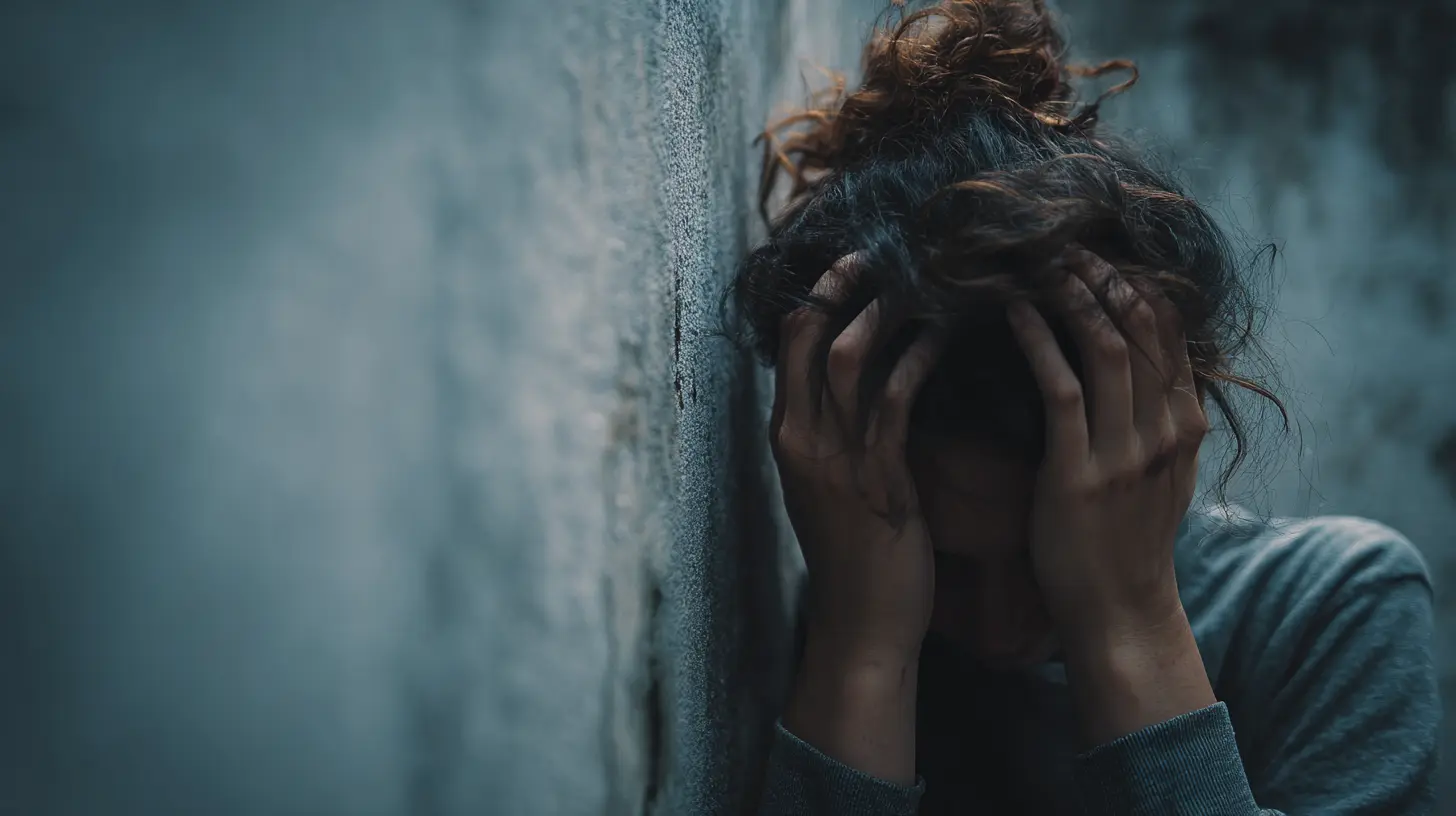
What Exactly IS PTSD in Adolescents?
Alright, quick refresher. PTSD (Post-Traumatic Stress Disorder) is a mental health condition that can develop after a person experiences or witnesses a traumatic event—something deeply scary, shocking, or dangerous.Now, teens experience trauma differently than adults. Their brains are still developing, their emotions are all over the place, and they’re figuring out who they are. Add a traumatic experience into the mix, and it can seriously throw them off track.
We're talking about trauma from events like:
- Physical or sexual abuse
- Domestic violence
- A serious accident or injury
- Natural disasters
- School shootings
- Death of a loved one
- Bullying or cyberbullying
- Neglect
- Witnessing violence
The key thing? It's not about whether the event seems “bad enough.” What matters is how the teen experiences it. Trauma is personal.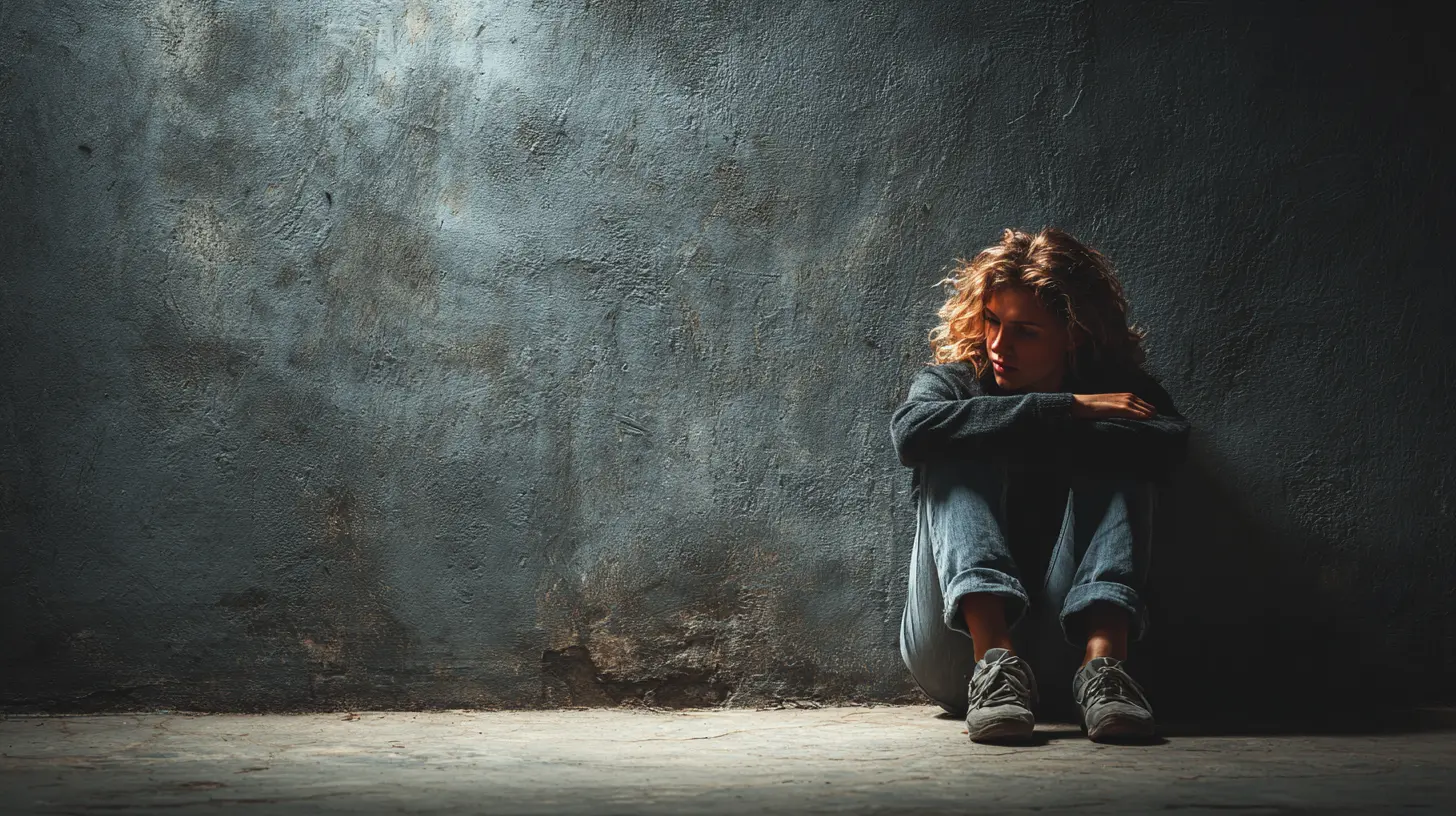
Why PTSD Often Goes Unnoticed in Teens
Here's the frustrating part: PTSD in adolescents often flies under the radar. Why? Because the signs are sneaky and often mimic typical teen behavior.You might hear things like:
- “They’re just moody.”
- “It’s probably hormones.”
- “They’re just acting out for attention.”
Let’s call that what it is—dangerous misunderstanding.
Teens with PTSD aren’t just going through a phase. They're struggling. And when we dismiss the warning signs, we risk letting them suffer in silence.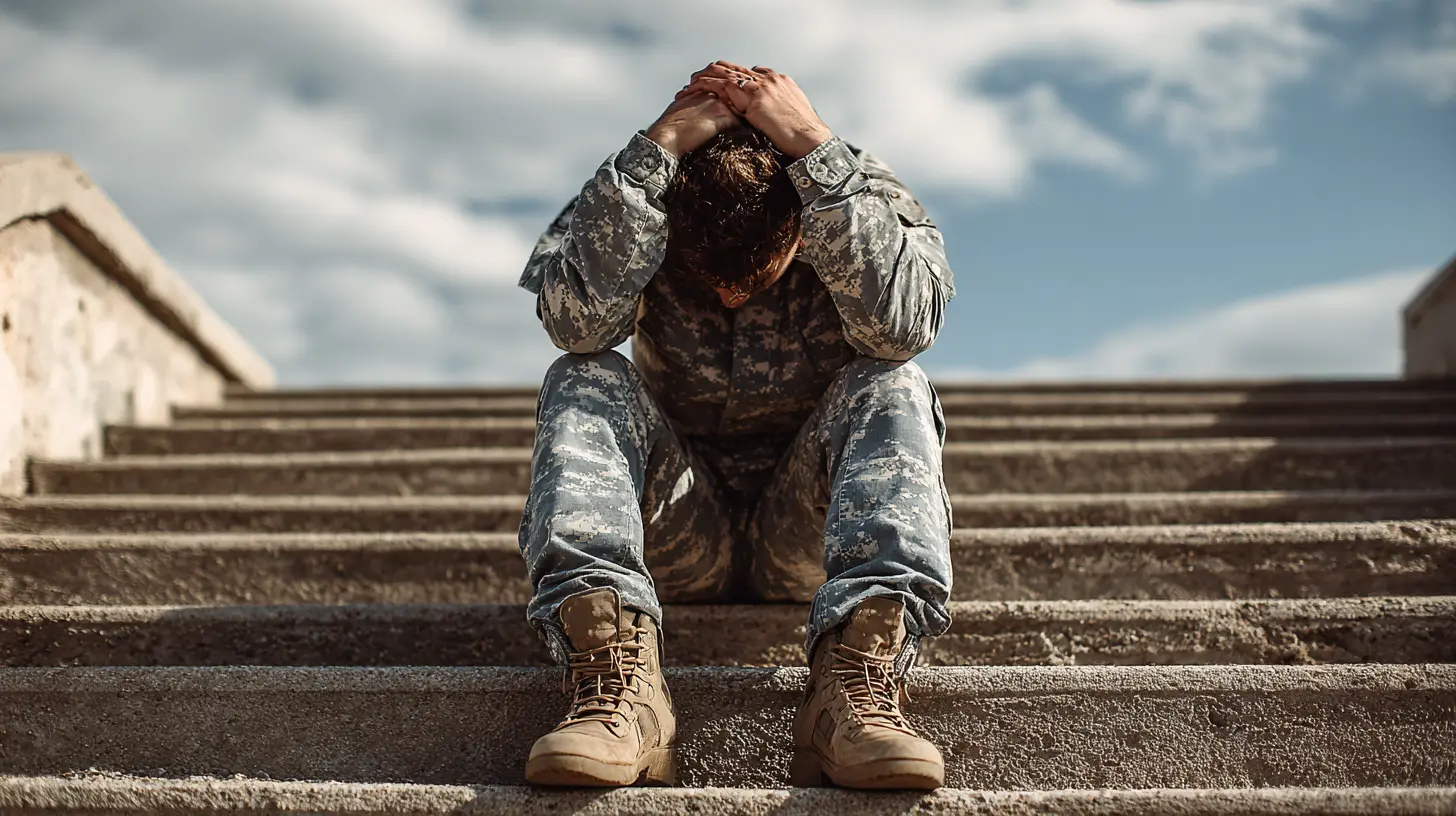
Common Signs and Symptoms of PTSD in Adolescents
Want to know what PTSD really looks like in teenagers? Let’s get into the nitty-gritty.1. Intrusive Thoughts and Flashbacks
These aren’t just bad memories. They’re vivid, often terrifying mental replays of the trauma. One minute your teen's in math class, the next they're reliving the worst moment of their life. Imagine how exhausting that would be.2. Avoidance Behavior
Ever notice a teen suddenly avoids a place, person, or activity they used to love? They might be staying away from anything that triggers memories of the trauma.It could even look like skipping school, isolating from friends, or refusing to talk about certain topics. Avoidance is their defense mechanism, plain and simple.
3. Mood Swings & Negative Thinking
We’re not talking about regular teen angst here. PTSD can cause deep emotional shifts:- Guilt or shame about the event
- Hopelessness about the future
- Feeling detached from others
- Constant negative self-talk
It's like wearing dark sunglasses you can’t take off—everything looks bleak.
4. Hyperarousal and Jittery Behavior
PTSD keeps the brain in fight-or-flight mode. Teens may seem constantly on edge:- Easily startled
- Quick to anger
- Trouble sleeping
- Difficulty concentrating
- Panic attacks
Their nervous system is in overdrive—no wonder they look frazzled and unfocused.
5. Risky or Self-Destructive Actions
Some teens try to deal with the emotional chaos by taking risks:- Substance use
- Self-harm
- Reckless driving
- Unsafe sex
They may not even realize they’re doing it to numb the pain or feel in control again.
How PTSD Impacts Teen Life
Let’s be real. PTSD doesn’t just mess with your emotions—it hijacks your whole life. For adolescents, the stakes are high, because this is a critical stage of development. PTSD can derail:Academic Performance
Trauma affects memory, focus, and energy. A student who once got A’s might suddenly be failing. Teachers might label them lazy or distracted—but PTSD could be the root cause.Friendships and Relationships
Trust becomes hard. Social anxiety creeps in. Irritability turns friends away. Loneliness becomes a painful norm.Self-Image and Identity
Adolescents are building their identities. PTSD can whisper lies like, “You’re broken,” “It was your fault,” or “You’ll never be normal again.” That inner critic? Ruthless.What Causes PTSD in Adolescents?
Let’s clear something up: Not every traumatized teen develops PTSD. It depends on a few factors:- The nature and intensity of the trauma
- How long it lasted
- If it was a one-time event or repeated
- The support system available after the trauma
- Personal factors like personality, prior mental health, or family history
And let’s not ignore that some teens live in ongoing traumatic environments—think neighborhood violence or abusive homes. In these cases, the line between “before” and “after” trauma doesn’t even exist.
Diagnosing PTSD in Teens: What Does That Look Like?
Alright, so if we suspect PTSD, what now?First step: Get a mental health professional involved. A psychologist or psychiatrist who specializes in adolescent trauma can do a full evaluation.
They’ll typically look for:
- Re-experiencing (like flashbacks or nightmares)
- Avoidance
- Negative changes in thoughts/mood
- Physical and emotional hyperarousal
These symptoms need to persist for at least a month and impact daily functioning to qualify as PTSD. That said, early intervention can (and should) happen even before it reaches that point.
Solutions That Actually Help
Good news: PTSD is treatable. Teens don’t have to be stuck in survival mode forever. Here are real, evidence-based tools that help:1. Trauma-Focused Cognitive Behavioral Therapy (TF-CBT)
This is the gold standard. It helps teens process the trauma, shift negative thoughts, and learn healthy coping strategies. It’s like rewiring the brain to stop reacting as if the danger is still present.2. EMDR (Eye Movement Desensitization and Reprocessing)
Sounds weird, but it works. EMDR uses guided eye movements to help the brain deal with traumatic memories. Many teens see big improvements in just a few sessions.3. Medication (When Necessary)
In some cases, antidepressants or anti-anxiety meds can help regulate mood and improve sleep. Medication isn’t a cure, but it can create space for healing.4. Support Systems: Family, Friends, and School
Let’s not underestimate the power of a strong support system. Teens need:- Parents who listen without judging
- Friends who check in
- Teachers who are patient and understanding
If you've got a teen in your life with PTSD, your compassion matters more than you know.
5. Mindfulness and Body-Based Therapies
Trauma lives in the body. That’s why yoga, deep breathing, and mindfulness exercises can be powerful recovery tools. They help teens feel safe in their own skin again.What Parents and Caregivers Can Do
Feeling helpless as a parent? You’re not alone. But the truth is, you can be the game-changer in your teen’s healing.Here’s how:
- Validate Their Feelings: Even if you don’t fully understand, say “I believe you” and “You’re not alone.”
- Educate Yourself: The more you know about PTSD, the better equipped you’ll be to support them.
- Be Consistent: Teens thrive on routine and predictability, especially when the world feels chaotic.
- Model Healthy Coping: Let them see YOU managing stress and emotions in healthy ways.
- Don’t Try To “Fix” Them: Healing takes time. Just be there, steady and supportive.
When to Reach Out for Help
If your teen is:- Talking about self-harm or suicide
- Withdrawing from everyone
- Unable to go to school or function in daily life
- Acting out in extreme ways
…it’s time to reach out to a mental health professional ASAP.
There’s no shame in asking for help. It’s brave. It’s responsible. And it might just save a life.
Final Thoughts: Healing from PTSD is Possible
PTSD in adolescents is real, raw, and often invisible. But here’s the bottom line: It’s treatable. With the right support, therapy, and time, teens can heal. They can reclaim their voice, their peace of mind, their joy.If there’s one thing to take away from this, it’s this: Don’t ignore the signs, and don’t ever assume teens are just being “dramatic.” Their pain is real, and so is their capacity to recover.
Let’s break the silence. Let’s make mental health a real priority—for every teen navigating a world that’s anything but simple.
all images in this post were generated using AI tools
Category:
Post Traumatic Stress DisorderAuthor:

Janet Conrad
Discussion
rate this article
1 comments
Faye Lawson
This article on PTSD in adolescents highlights crucial signs and symptoms that can often go unnoticed. It's important to raise awareness and compassionately address these issues, as early intervention can make a significant difference in a young person's recovery journey.
May 21, 2026 at 2:50 AM
Janet Conrad
Thank you for your thoughtful comment. Raising awareness is key to helping adolescents navigate their experiences with PTSD. Early intervention truly can pave the way for healing.