PTSD in First Responders: The Silent Struggle
17 May 2026
Imagine walking into chaos every single day. Sirens blaring, tragedies unfolding, lives hanging by a thread. For first responders—the police officers, firefighters, EMTs, and paramedics—that’s not just a scene from a movie, it’s their everyday reality. These heroes are often celebrated for their bravery and composure, but beneath the badge, helmet, or uniform, many quietly carry deep emotional scars.
Let’s talk about what no one wants to say out loud: PTSD in first responders is real, it's powerful, and it’s way more common than you might think. And yet, it’s still one of the most overlooked mental health crises out there.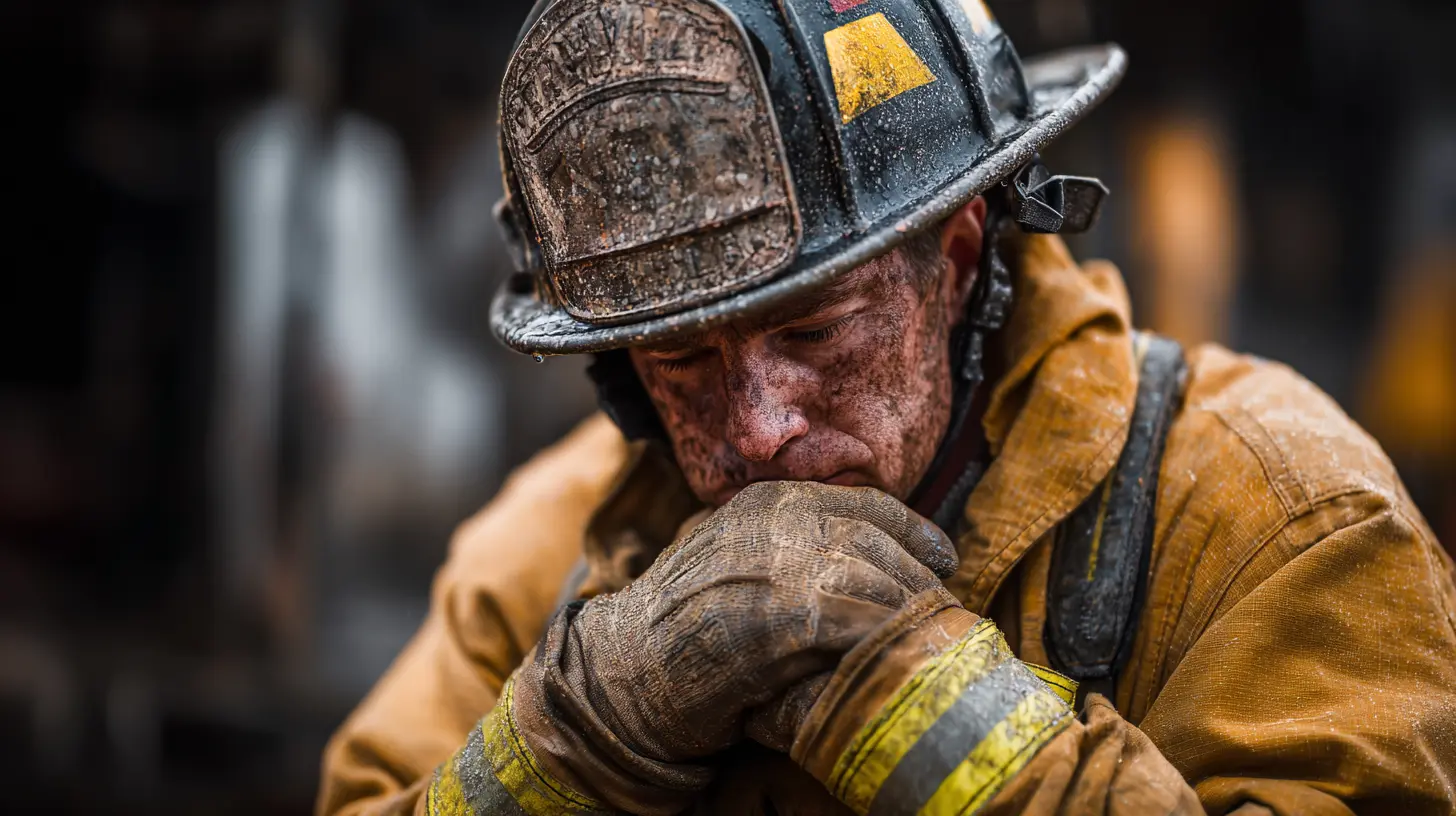
What Exactly Is PTSD?
PTSD stands for Post-Traumatic Stress Disorder. It’s a mental health condition triggered by experiencing or witnessing a traumatic event. We tend to associate it with soldiers returning from war, but trauma doesn’t discriminate — and neither does PTSD.For first responders, trauma becomes part of the job description. They're the first on the scene when things go terribly wrong — car accidents, shootings, fires, medical emergencies, natural disasters, and, tragically, death. Over time, that kind of exposure doesn’t just fade away. It builds up. Like pressure in a soda can. Shake it enough, and eventually, it’s going to explode.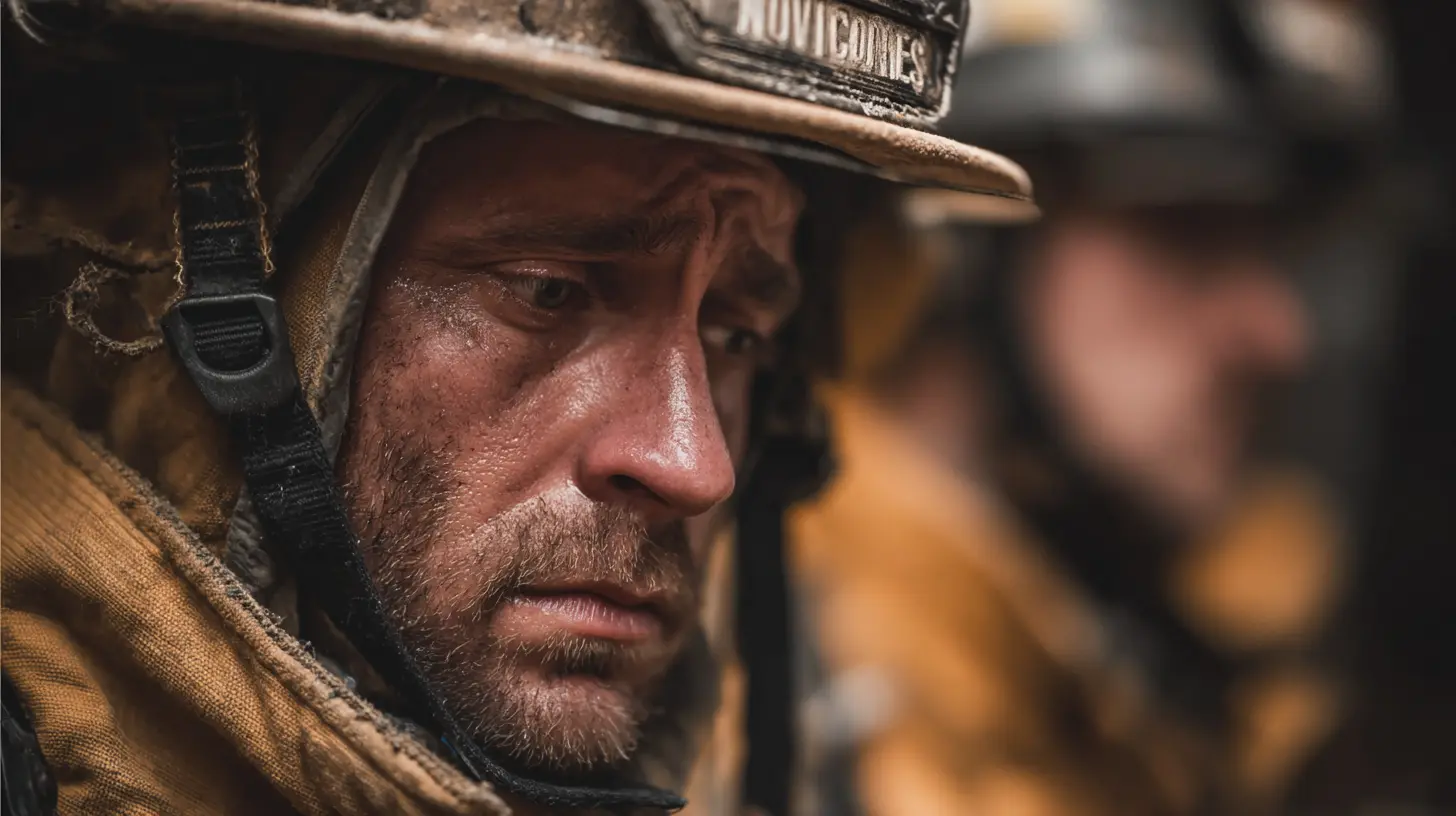
The Heavy Toll Behind the Heroic Mask
First responders are incredibly good at putting on a brave face. They have to be – people depend on them to stay calm during the worst moments of their lives. But that constant emotional suppression can become a ticking time bomb.Here’s the kicker: PTSD isn’t always immediate. It can creep in slowly, months or even years after the trauma. Symptoms often include:
- Flashbacks or nightmares
- Severe anxiety or panic attacks
- Emotional numbness
- Irritability or mood swings
- Trouble sleeping or concentrating
- Avoidance of situations or conversations that trigger memories
Sound familiar? These aren’t just signs of a bad day. They’re cries for help.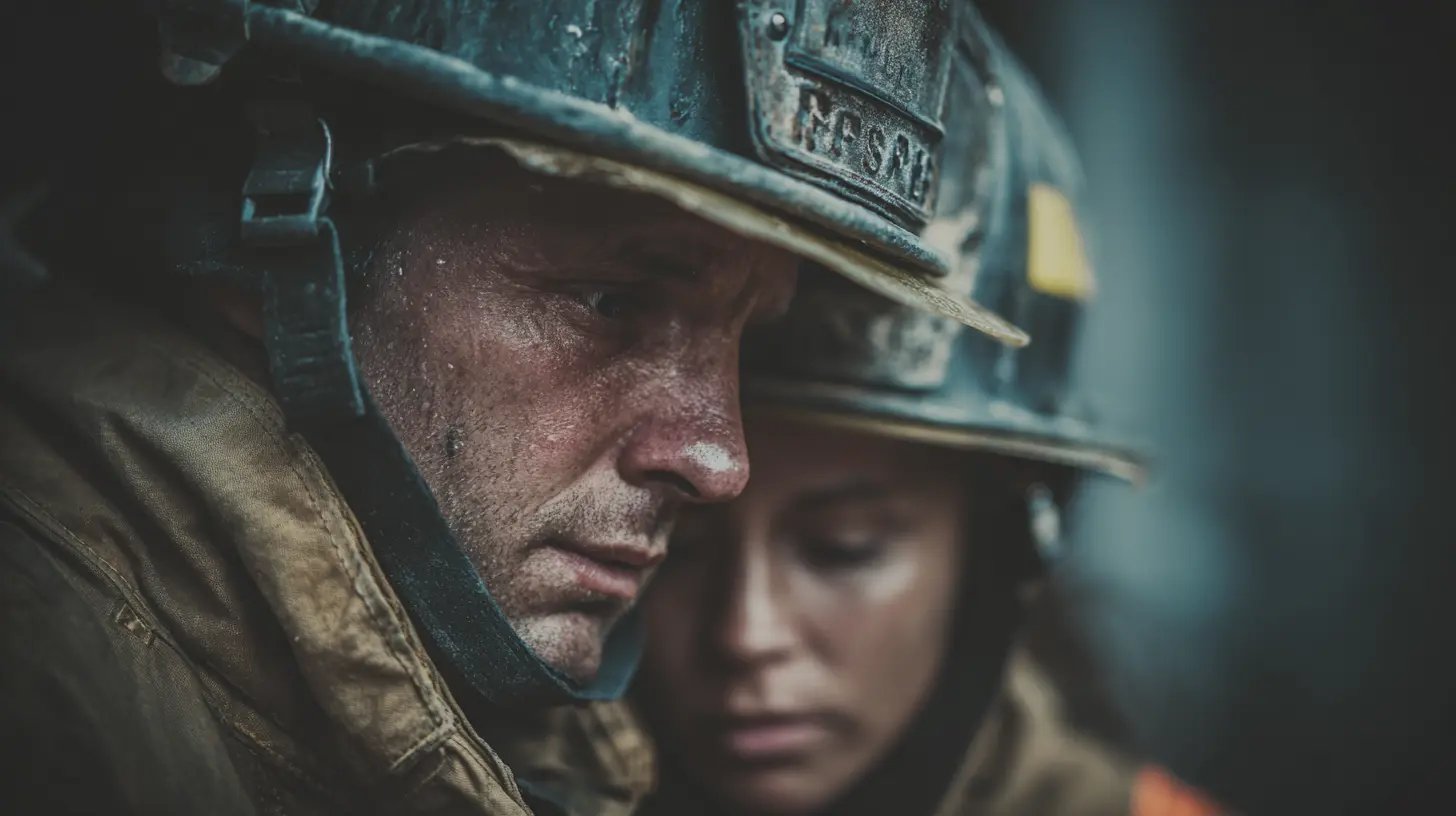
The Culture of Silence
Now, let’s get real for a moment.Why don’t more first responders talk about what they’re feeling? Why is PTSD in this community still such a taboo topic?
It boils down to culture. In the world of emergency response, strength and composure are non-negotiable. Showing emotion? Admitting vulnerability? That’s seen as weakness — and in some cases, it could even be career-ending.
Let’s be honest: there’s an unspoken code in this line of work — suck it up, and move on. But you can only bury pain for so long. Eventually, it starts to surface in ways you can’t control.
Think about it like a dam. One little crack may seem harmless, but over time, the pressure builds, and that crack turns into a catastrophic failure.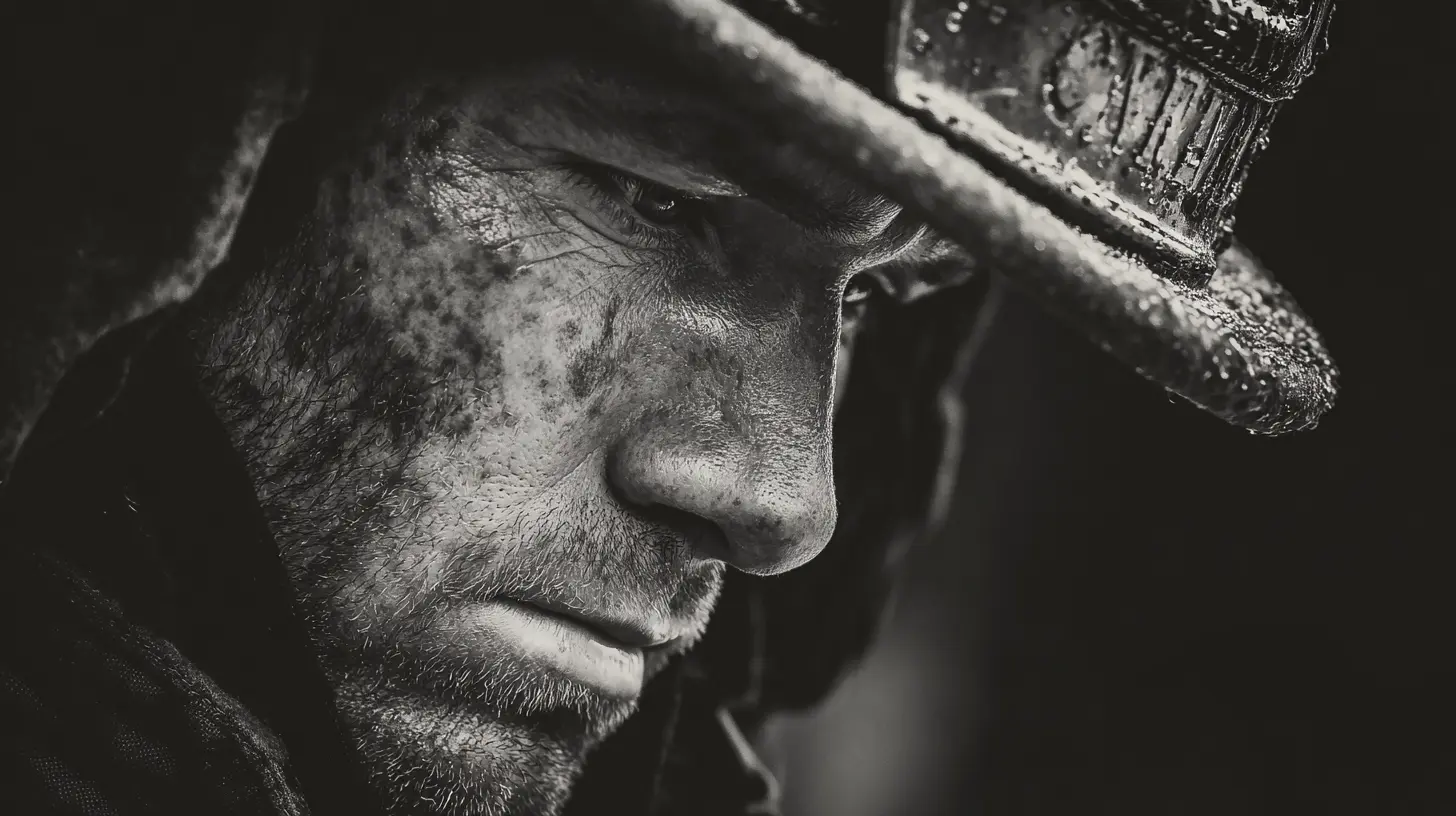
It’s More Common Than You Think
Studies show that first responders experience PTSD at significantly higher rates than the general population. Some estimates suggest that up to 30% of first responders will develop PTSD at some point in their careers. That’s nearly 1 in 3.What’s even more heartbreaking? Many don’t seek treatment. Untreated PTSD can lead to substance abuse, depression, relationship breakdowns, and in tragic cases — suicide.
Let that sink in for a second.
We’re talking about the people who save lives. Who rush into danger while everyone else runs away. And yet, when it comes to their own mental health, they’re often left to suffer in silence.
Breaking the Stigma: Why Talking Is the First Step
The first step toward healing is starting the conversation. It might sound simple, but it’s probably the hardest part.It’s time to change the narrative. Vulnerability is not weakness — it’s a sign of strength. If we can’t show up for our first responders emotionally, how can we expect them to keep showing up for us physically?
Mental health support needs to be just as accessible and normalized as physical health treatment. That means peer support programs, mental wellness check-ins, and access to qualified therapists who understand the unique challenges of this work.
And most importantly… no judgment. No shame.
Real Stories, Real Struggles
Let’s humanize this for a moment. Picture a firefighter who pulls a child from a burning building, only to experience recurring nightmares and guilt for years. Or an EMT who responds to a gruesome accident and can't shake the image of a broken family forever changed.These aren’t just stories — they’re lived experiences. And they stick.
The pain might be silent, but it’s deafening inside their heads.
When first responders share their stories, it opens the door for others to say, “Me too.” It builds community, empathy, and hope — and it chips away at the stigma, one voice at a time.
Building Resilience (Because You’re Not Powerless)
Here’s the good news: PTSD isn’t a life sentence. It's a battle, yes, but not one that has to be fought alone. There are tools and strategies that can help.1. Therapy Works (Even If It’s Uncomfortable at First)
Cognitive Behavioral Therapy (CBT), Eye Movement Desensitization and Reprocessing (EMDR), and group therapy have shown real success in treating PTSD. Talking to a trained professional helps break down those emotional walls and reprocess trauma in a healthier way.Think of it like decluttering a messy garage. It may be overwhelming at first, but once you start pulling out the junk, sorting it, and putting things in order — it gets easier.
2. Peer Support Can Be a Lifeline
There’s something incredibly powerful about sitting down with someone who “gets it.” Peer support groups bring together first responders who’ve been through similar experiences. It’s not just about venting — it’s about healing in a space where you’re understood without explanation.3. Self-Care Isn't Selfish
This is not just bubble baths and meditation (though those help, too). Real self-care for first responders might look like:- Getting adequate sleep
- Exercise or movement to burn off stress
- Journaling or creative outlets
- Setting boundaries with work and home life
- Staying connected with friends and loved ones
You can’t pour from an empty cup. Taking care of yourself means you’re better equipped to care for others.
4. Leadership Matters
Change doesn't just happen from the bottom up. Departments and agencies need to create an environment where mental health is prioritized. That means providing resources, encouraging open conversations, checking in regularly, and fostering a culture of psychological safety.Hope Is the Most Powerful Medicine
It might be a silent struggle, but let’s not forget: PTSD doesn’t define a person. It's a chapter, not the whole story.Healing takes time. It takes courage. And sometimes, it takes hitting rock bottom before the climb back up begins. But there’s always hope — and there’s always help.
First responders have already shown unmatched strength in saving others' lives. It’s time we give them the support they need to save their own.
Final Thoughts: Let's Keep the Conversation Going
We’ve covered a lot, and if your heart feels heavy reading this — good. That means you care. The more we talk about PTSD in first responders, the more awareness we build, and the more lives we can save.Let’s not wait for another tragedy to acknowledge the emotional cost of being the ones who always show up.
If you’re a first responder, know this: You’re not alone. And it’s okay to ask for help. In fact, it’s one of the bravest things you’ll ever do.
If you're someone who loves or works with a first responder — listen, support, and encourage them to take care of their mental health.
Because even heroes need healing sometimes.
all images in this post were generated using AI tools
Category:
Post Traumatic Stress DisorderAuthor:

Janet Conrad
Discussion
rate this article
1 comments
Thor McCarron
This article shines a crucial light on a topic that often goes unseen. Acknowledging the struggles of first responders is essential for fostering understanding and support. Thank you for addressing this important issue-it's a step toward healing and awareness for many.
June 23, 2026 at 3:33 AM
Janet Conrad
Thank you for your thoughtful comment. I'm glad the article resonated with you. Raising awareness about these struggles is vital for our first responders.