Spirituality and Healing: Faith-Based Approaches to PTSD
12 February 2026
Living with PTSD is like walking through a fog that never lifts. Every step forward feels heavy, every sound suspicious, and some days feel like just surviving is an achievement. If you or someone close to you has been there, you know how real that struggle is.
But here's the hopeful part—healing is possible. And for many, it doesn't just come from therapy sessions or medication. Sometimes, it comes from something much deeper... something spiritual.
In this article, we're diving deep into the world of spirituality and how faith-based approaches can help those living with PTSD take back control of their lives. This isn’t about preaching religion—it’s about embracing inner strength, finding purpose, and reconnecting with something bigger than ourselves.
What Is PTSD, Really?
Before we unpack spirituality’s role in healing, let’s quickly glance at what PTSD really is.PTSD stands for Post-Traumatic Stress Disorder. It’s a mental health condition triggered by a traumatic experience—this could be combat, abuse, assault, accidents, natural disasters, or any overwhelming event that shakes you to your core.
Common symptoms include:
- Flashbacks or intrusive memories
- Nightmares
- Emotional numbness
- Hypervigilance
- Avoidance of reminders of the trauma
- Anxiety, depression, or sudden mood swings
It’s not a sign of weakness. PTSD is a normal response to an abnormal event. Healing isn’t about forgetting the trauma; it’s about learning how to live with it without it taking over your life.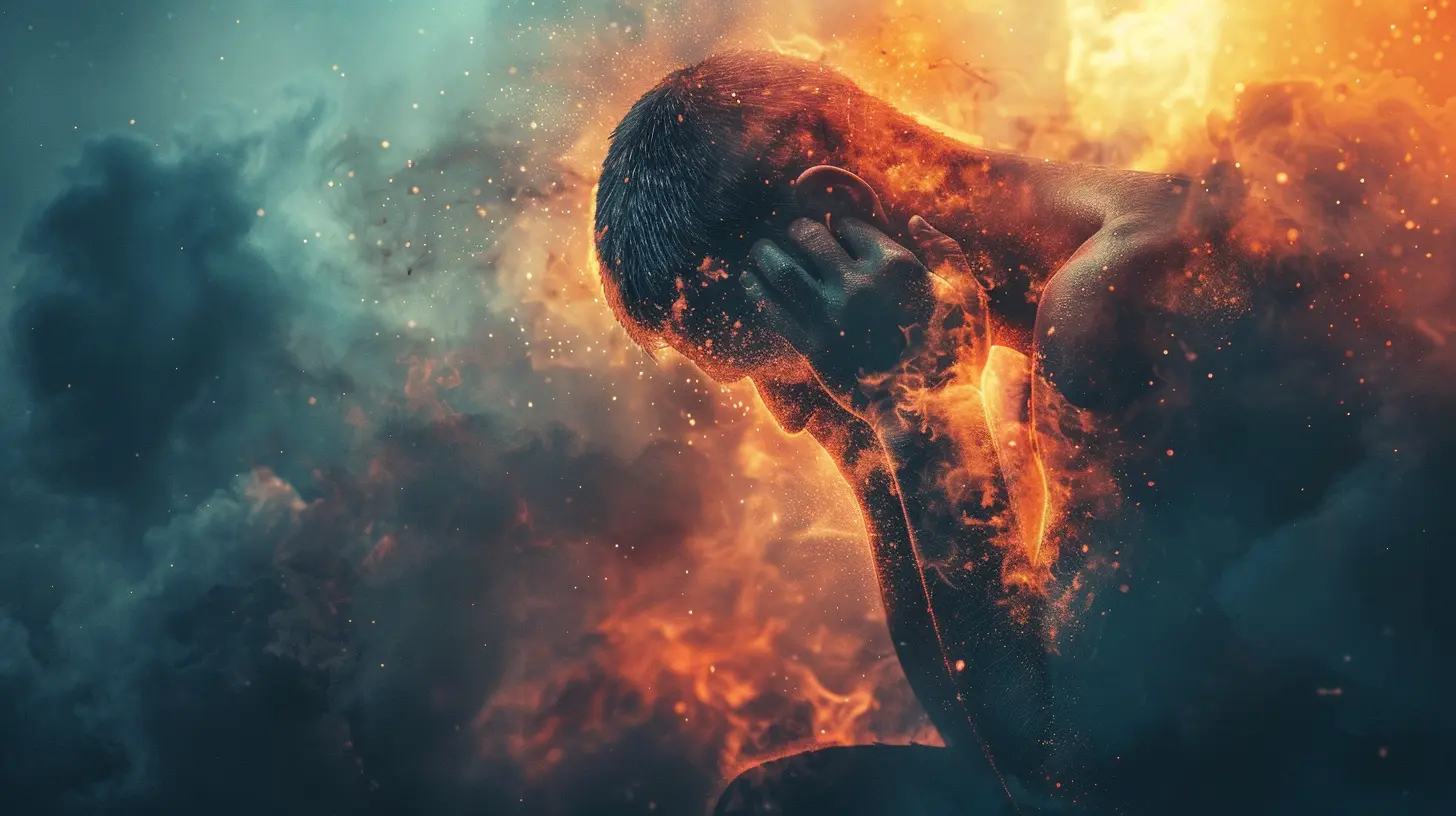
Why Consider Spiritual or Faith-Based Healing?
You might be wondering, “What does spirituality have to do with trauma recovery?” Great question.Healing isn’t just physical or mental—it’s deeply emotional and spiritual too. PTSD can shatter your belief in the world, your trust in others, and even your sense of purpose. That’s where spirituality comes in.
Spirituality is about connection—to yourself, to others, to a higher power (if you believe in one), or to the universe at large. It’s that inner compass that helps you find meaning when life feels meaningless.
Faith-based approaches give many people:
- Hope when all else feels lost
- A sense of community and support
- A purpose greater than the pain
- Comfort in rituals, prayers, or spiritual practices
- The strength to forgive and let go
And no—this isn’t limited to just one religion. Whether it's Christianity, Islam, Buddhism, Judaism, Hinduism, or just a deep personal spirituality, faith can be a powerful ally in recovery.
The Science Backs It Up
Still skeptical? That’s totally fair. Let’s talk facts.Research has shown that spiritual practices can lower stress levels, reduce symptoms of depression and anxiety, and even improve physical health. In particular:
- A 2015 study in the Journal of Nervous and Mental Disease found that veterans who engaged in spiritual practices reported fewer PTSD symptoms.
- Faith-based support groups have been shown to boost resilience and reduce feelings of isolation.
- Prayer and meditation both activate brain regions associated with calm, focus, and emotional regulation.
Science and spirituality? Not always opposites. Sometimes they’re just two sides of the same healing coin.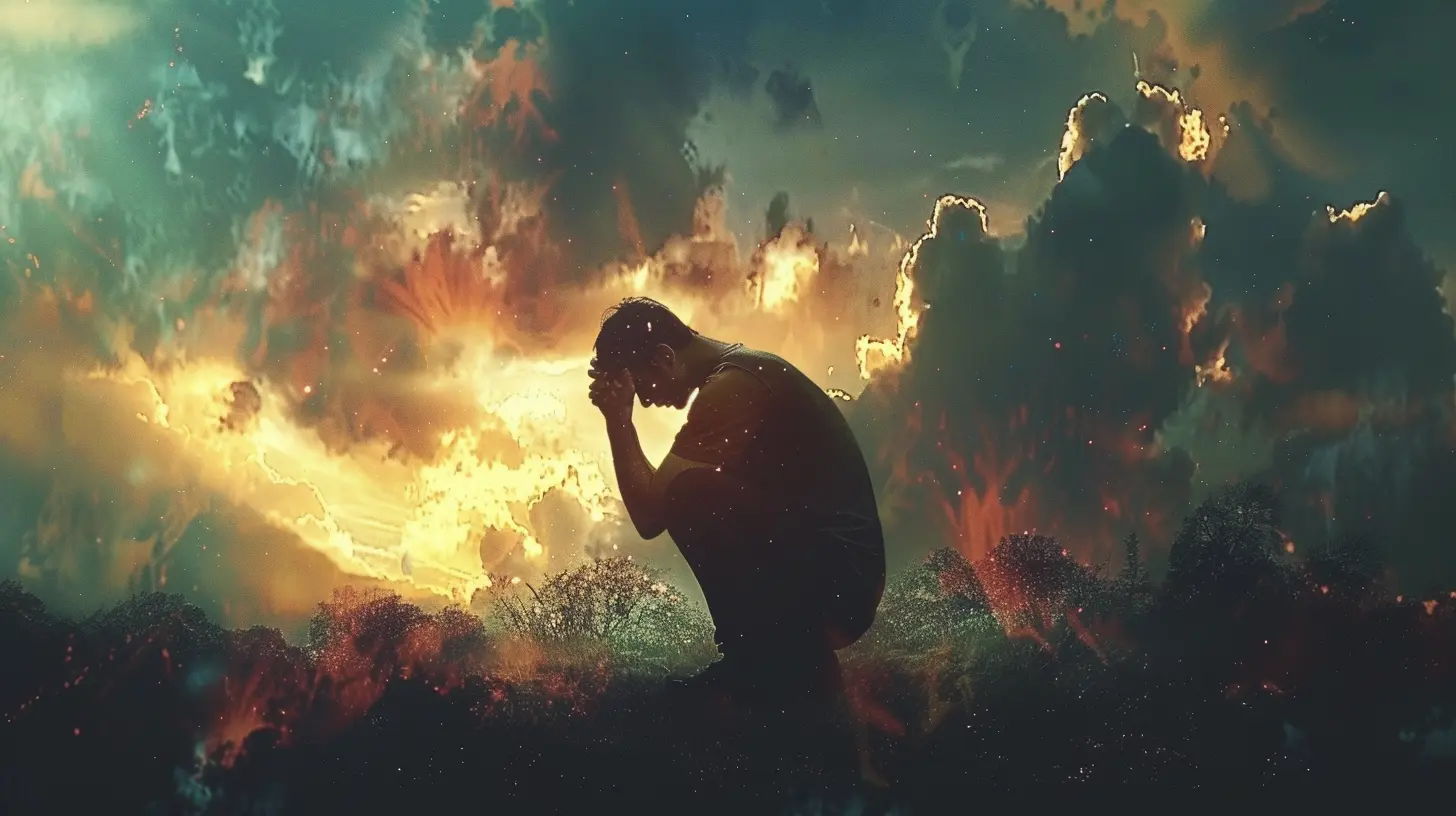
7 Faith-Based Approaches That Help With PTSD
Let’s break down some practical, spiritual tools that people have used successfully to navigate PTSD.1. Prayer and Meditation
Even just five minutes a day of quiet reflection can shift your mindset. Whether it's repeating affirmations, offering silent prayers, or meditating on a spiritual passage, this practice can be incredibly grounding.Think of it as your mental reset button.
2. Scripture and Sacred Texts
Many people find solace in sacred writings. For example, verses from the Bible like Psalm 34:18 (“The Lord is close to the brokenhearted...”) or peace-centered teachings from the Quran or the Bhagavad Gita provide inspiration and reassurance.These texts can feel like a comforting hug on a dark day.
3. Faith-Based Counseling
Unlike traditional therapy, faith-based counseling blends mental health expertise with spiritual principles. It focuses on healing the mind and the soul.Many churches, mosques, temples, and spiritual centers offer these services, often led by professionals who understand trauma and spirituality.
4. Community Support
Isolation is poison to the healing process. Faith communities offer something unique here—a place to belong.Worship groups, Bible studies, or simply spiritual social events can help you feel connected and supported. You’re never meant to heal alone.
5. Forgiveness and Letting Go
This one's tough but powerful. Forgiveness doesn’t mean approving of the pain you went through—it means freeing yourself from its control.Many faiths emphasize forgiveness—not for others, but for your peace of mind. It’s like dropping a heavy backpack you didn’t realize you were still carrying.
6. Rituals and Symbolic Acts
Lighting a candle, attending a service, taking part in a spiritual fast, or even journaling your prayers—these rituals bring structure and comfort to a mind stuck in chaos.When life feels out of control, rituals give you something to hold on to.
7. Spiritual Retreats
Sometimes you need a break from the noise to hear your own heartbeat again.Spiritual retreats offer a safe, peaceful space to reconnect with yourself and your faith away from life’s distractions. Many PTSD survivors find clarity and healing in these quiet, sacred moments.
Real Talk: It’s Not a One-Size-Fits-All Approach
Let’s be honest—not every spiritual practice will work for everyone. And not everyone connects with a higher power in the same way.That’s totally okay.
Healing is personal. It’s your journey, your pace, and your path. If one spiritual approach doesn’t click, try another. The goal isn’t perfection—it’s progress.
You might pray. You might meditate. You might walk in nature and feel connected to something bigger. All of that's valid.
Faith Can Be the Bridge—Not the Solution Alone
Now, let’s be clear—spirituality isn’t a magic cure. PTSD is complex. Most people benefit from professional help: psychotherapy (like EMDR or CBT), medication, and support groups.But faith?
Faith can be the bridge that carries you between therapy sessions. It can be the whisper that keeps you going when you feel like giving up. It can be that one steady thing when everything else is shaking.
It’s not a replacement. It’s a companion on the journey.
Stories of Hope: How Faith Helped Others Heal
Sarah's Story
After surviving a violent assault, Sarah couldn’t sleep, couldn’t trust, and felt completely lost. She tried therapy but felt something was missing—hope.A friend invited her to a women's prayer group. At first, she resisted. But eventually, she went. That weekly circle became her anchor. Through prayer, scripture, and shared stories, she began to believe healing was possible. Today, she’s thriving and mentoring others.
Mike's Journey
Mike was a combat veteran who turned to alcohol to numb the pain. PTSD ran his life. One day, a chaplain asked him, "What gives you strength?"That question changed everything. He began attending faith-based counseling, reconnecting with the spiritual values he’d put aside. Slowly, the fog began to lift. He still has tough days, but he now sees purpose in his pain—and helps other vets find theirs.
Tips for Starting a Spiritual Healing Journey
Ready to explore the spiritual side of healing? Here’s how to start:1. Keep an open mind – You don’t need to have all the answers. Just be curious.
2. Start small – Try five minutes of prayer or meditation daily. Read a verse or uplifting quote.
3. Find a spiritual community – Look for local or online groups that align with your values.
4. Be honest with your doubts and struggles – Spirituality isn’t about pretending. It’s about authenticity.
5. Combine with professional care – Let spirituality enhance—not replace—your therapeutic work.
Final Thoughts: You Are Not Broken
Listen—PTSD is a heavy burden, but it does not define you.You are not broken. You’re wounded, yes—but wounds can heal. And spirituality can be the salve that soothes your soul while you rebuild your life.
There is strength in faith. There is healing in hope. And there is always a path forward, no matter how dark the road seems today. Lean into what connects you, centers you, and gives you peace.
You’ve got this.
all images in this post were generated using AI tools
Category:
Post Traumatic Stress DisorderAuthor:

Janet Conrad
Discussion
rate this article
2 comments
Nathaniel McSweeney
This article thoughtfully explores the intersection of spirituality and healing in PTSD recovery. It highlights the potential benefits of faith-based approaches while acknowledging the importance of individual experiences and preferences.
February 18, 2026 at 6:01 AM
Janet Conrad
Thank you for your thoughtful feedback. I'm glad you found the exploration of spirituality and healing meaningful in the context of PTSD recovery. It's essential to consider both faith-based approaches and individual journeys.
Erin McAnally
This article beautifully intertwines spirituality with healing! I'm intrigued by how faith-based practices can complement traditional therapies for PTSD. Excited to explore the potential of these holistic approaches in mental health!
February 13, 2026 at 5:52 AM
Janet Conrad
Thank you for your thoughtful comment! I'm glad you found the connection between spirituality and healing intriguing. There's so much potential in combining these approaches for mental health. I hope you enjoy exploring the topic further!