Synaptic Pruning: How the Brain Streamlines Information
2 January 2026
If you've ever wondered how the brain manages to process an overwhelming amount of information, yet still functions efficiently, then welcome to the fascinating world of synaptic pruning. It's like your brain's very own Marie Kondo, decluttering unnecessary connections and keeping only what's essential. But what exactly is synaptic pruning, and why is it so crucial for brain development and cognitive function? Let’s dive into the nitty-gritty of how the brain streamlines information.
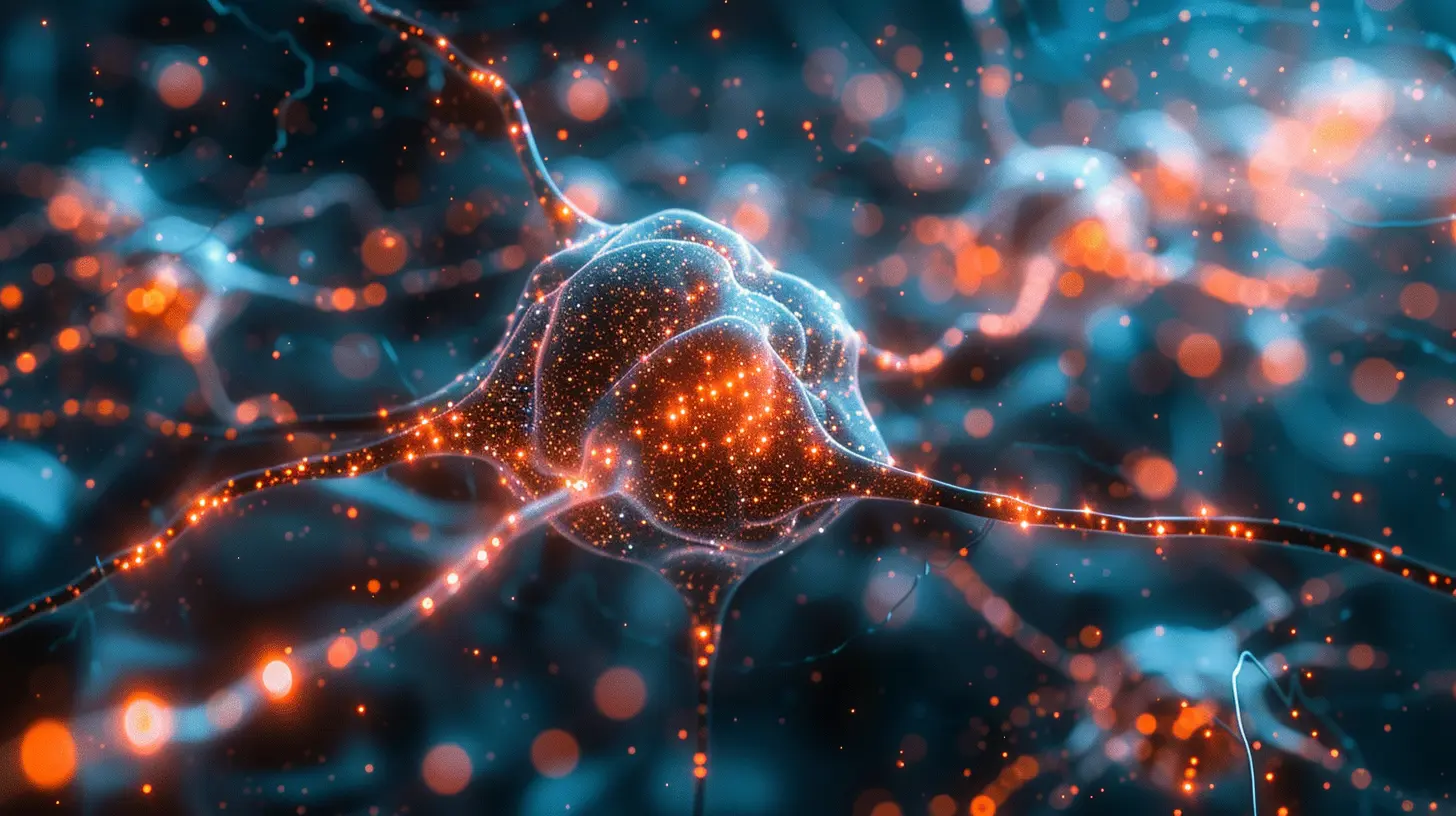
What is Synaptic Pruning?
Before we get into the details, let’s break down the term for a second. The word “synapse” refers to the junction between two neurons, where neurotransmitters allow communication to occur. “Pruning,” on the other hand, is a gardening term used to describe the trimming away of dead or overgrown branches to encourage healthy growth. Now combine the two, and you’ve got a brain that’s essentially trimming back unnecessary neural connections to make way for more efficient functioning. Pretty cool, right?In simpler terms, synaptic pruning is the brain's way of fine-tuning itself by eliminating weak or unused synapses. This process is most active during childhood and adolescence but continues in a more subtle form throughout adulthood. It’s like cleaning out your closet — the brain gets rid of what it doesn’t need to make room for what it does.
Why Does Synaptic Pruning Happen?
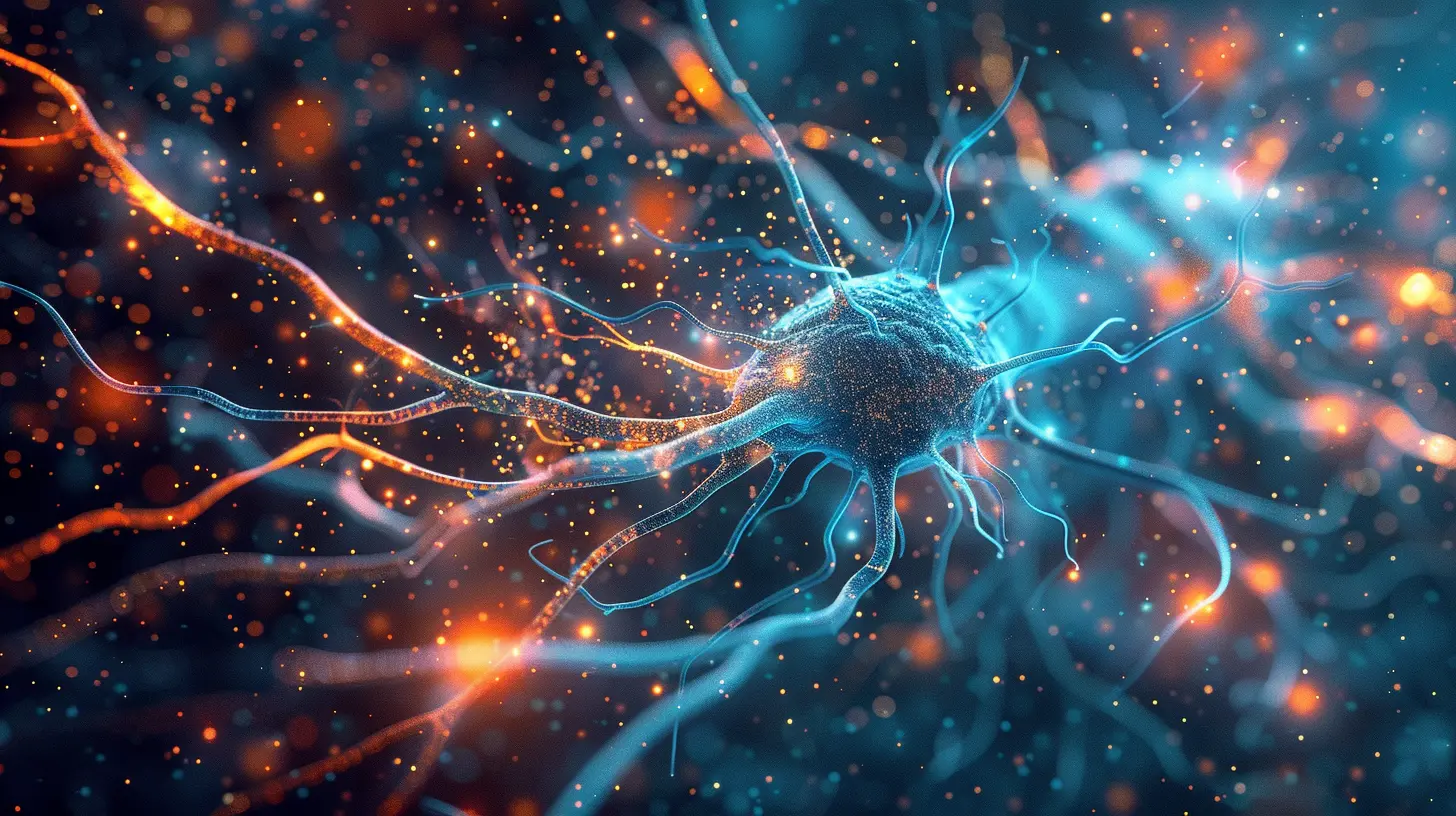
You might be thinking, "Why would the brain get rid of any connections? Don’t we want more?" Well, not exactly. In the early stages of life, the brain creates an overabundance of synapses. Think of it like throwing everything into a shopping cart when you're in a rush at the store. You’re grabbing things you might not even need. The brain does something similar by overproducing synapses during early development, giving it a wide range of neural connections to choose from.However, as we grow and begin to learn more about the world around us, the brain starts to figure out which connections are essential and which are not. It’s like realizing you don’t actually need five different types of mustard in your fridge. So, through synaptic pruning, the brain strengthens the connections that are frequently used and trims back those that aren’t.
This process is not random, by the way. It’s driven by experience. The more you use certain neural pathways — say, for language, motor skills, or problem-solving — the more those connections are strengthened. Meanwhile, the synapses that aren’t being used as much are marked for pruning. It’s a use it or lose it kind of system.
A Balancing Act: Synaptic Growth vs. Synaptic Pruning
Throughout development, the brain is in a constant balancing act between synaptogenesis (the creation of new synapses) and synaptic pruning. In infancy and early childhood, synaptogenesis is at its peak, as the brain is rapidly making new connections in response to the vast amount of new experiences and stimuli. By the time adolescence rolls around, however, synaptic pruning takes center stage.This process is crucial for cognitive development and learning efficiency. Imagine your brain as a library. In the beginning, there are books everywhere, stacked high with no real organization. Synaptic pruning is like having a librarian come in to organize, catalog, and remove outdated books so that you can find the information you need more easily. The result? A streamlined, more efficient brain.
When Does Synaptic Pruning Occur?
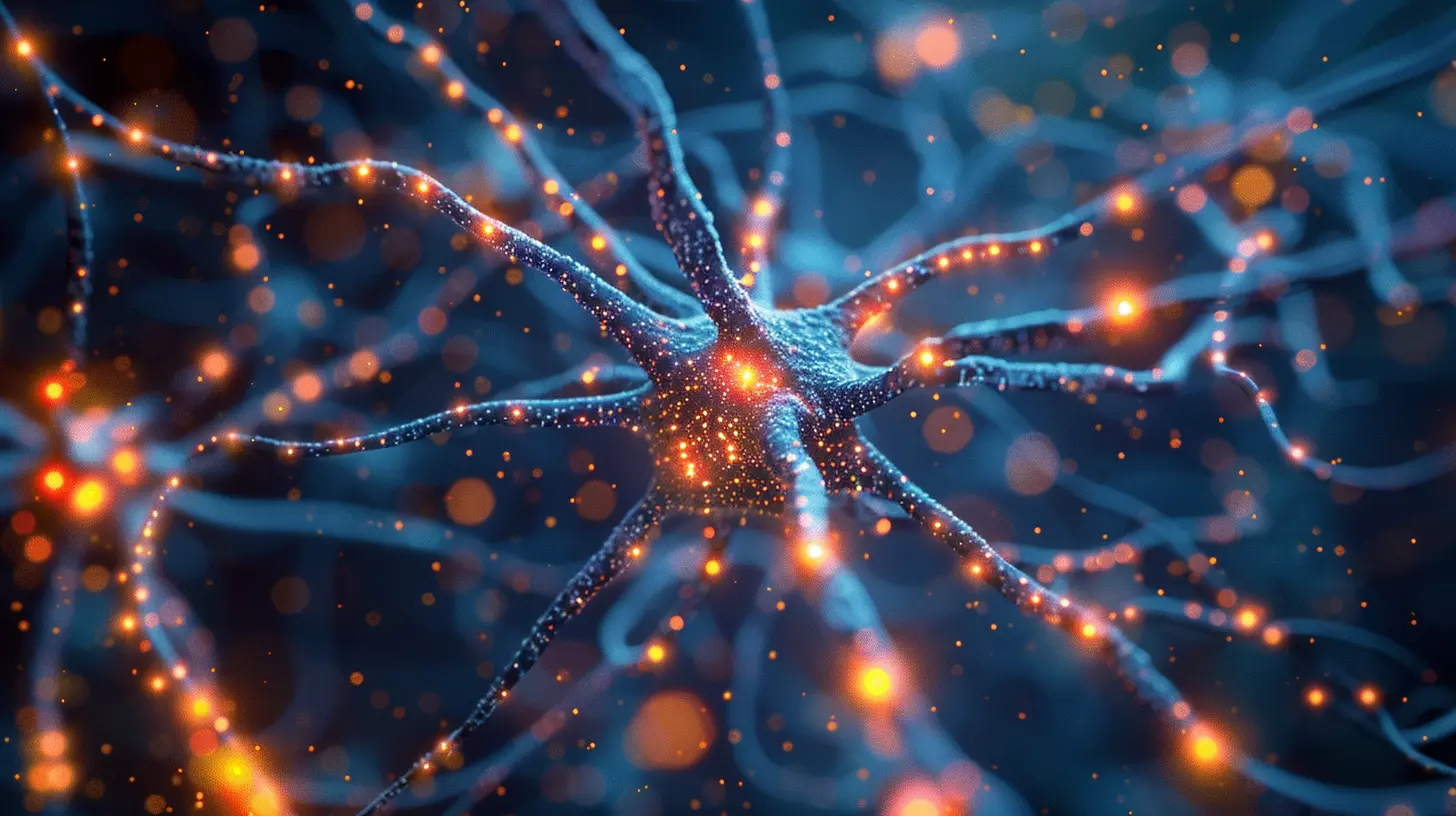
Synaptic pruning happens in phases throughout life. Let’s break it down:Infancy and Early Childhood
During the first few years of life, the brain is in synapse overload. In fact, by the age of 2 or 3, a child’s brain has twice as many synapses as an adult’s. This overproduction is necessary because the young brain is like a sponge, soaking up information from its environment. Everything from learning to walk, talk, and recognize faces requires the formation of new synaptic connections.However, not all of these connections will last. Starting around age 3, the brain begins its first major phase of synaptic pruning, trimming back connections that aren’t frequently used. This phase continues through early childhood and into adolescence.
Adolescence
Ah, the teenage years. While adolescence is often associated with mood swings and rebellion, there’s a lot more going on beneath the surface. During this period, the brain undergoes its second major wave of synaptic pruning, particularly in the prefrontal cortex, which is responsible for decision-making, planning, and impulse control. This helps explain why teenagers sometimes make questionable decisions — their brains are still fine-tuning the connections needed for higher-order thinking.This pruning process continues into the early 20s, which is why many psychologists and neuroscientists now believe that the brain doesn’t fully mature until around age 25. So, if you’ve ever wondered why you felt a little more “with it” in your mid-20s compared to your teens, synaptic pruning might have played a role.
Adulthood
Synaptic pruning doesn’t stop once you hit adulthood, although the process does slow down significantly. In adulthood, the brain continues to prune synapses but in a more subtle, experience-driven way. For instance, if you learn a new skill, new synapses may form, while others that are no longer needed are pruned away. This allows the brain to remain adaptable throughout life, a concept known as neuroplasticity.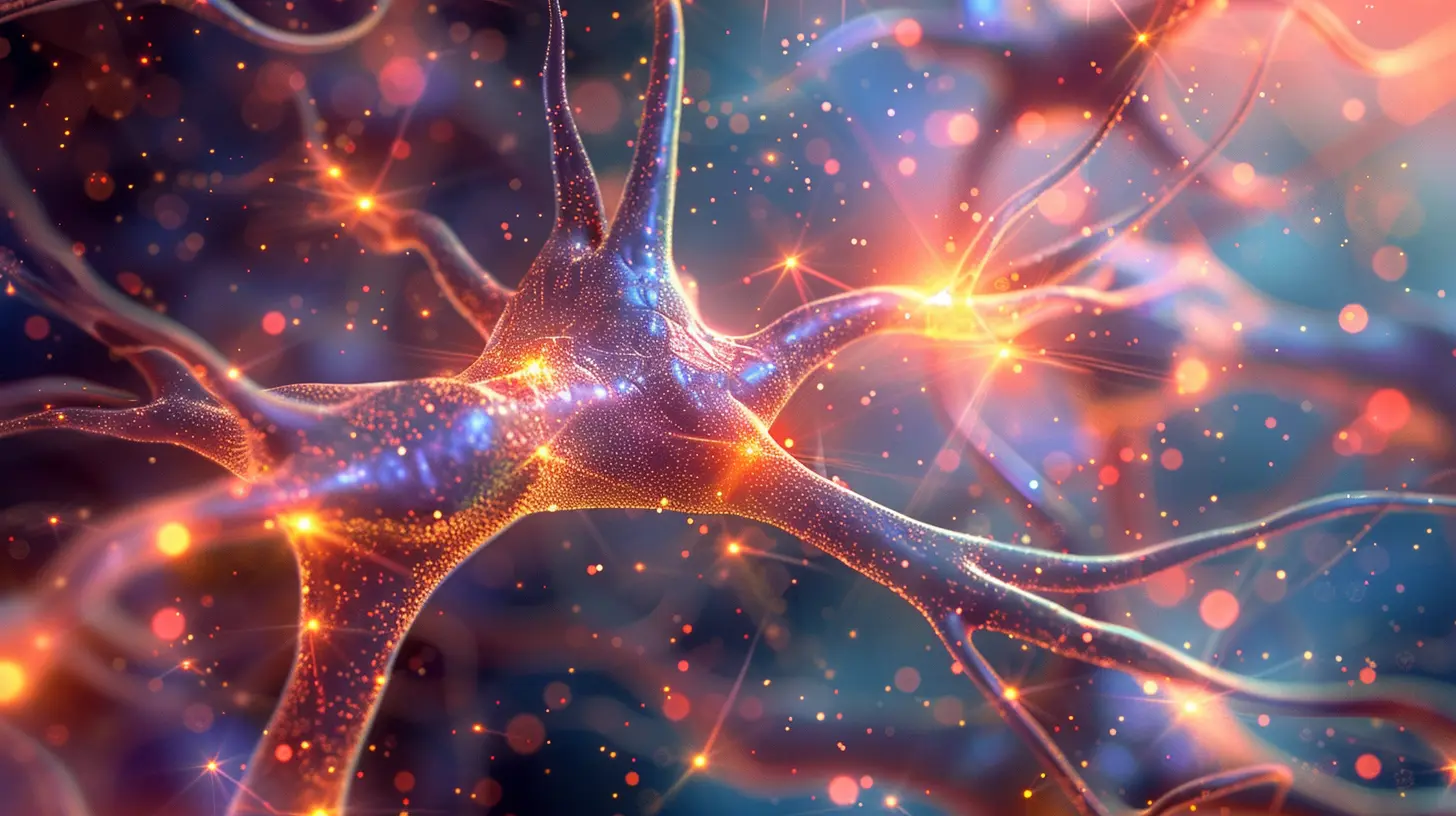
The Role of Synaptic Pruning in Mental Health
Synaptic pruning isn’t just about optimizing cognitive function; it also plays a significant role in mental health. Researchers are increasingly finding links between abnormal synaptic pruning and various neurological and psychiatric disorders.Schizophrenia
One of the most well-researched areas is the connection between synaptic pruning and schizophrenia. Studies suggest that people with schizophrenia may experience excessive synaptic pruning during adolescence, particularly in areas of the brain involved in thinking and decision-making. This over-pruning could potentially contribute to the cognitive impairments and disorganized thinking seen in people with the disorder.Autism Spectrum Disorder (ASD)
On the flip side, some research indicates that individuals with autism spectrum disorder (ASD) may experience insufficient synaptic pruning. This could result in an overabundance of synapses, which might contribute to the sensory overload and difficulties with social communication that are often characteristic of ASD.Depression and Anxiety
Abnormal synaptic pruning has also been implicated in other mental health conditions like depression and anxiety. While the exact mechanisms are still being studied, it’s believed that disrupted pruning in areas of the brain related to emotion and stress regulation could contribute to the development of these disorders.How Does Synaptic Pruning Affect Learning and Memory?
So, what does all this mean for learning and memory? Well, synaptic pruning is essentially the brain’s way of boosting learning efficiency. By eliminating unnecessary synapses, the brain is better able to focus on strengthening the connections that are most important for acquiring new skills and knowledge.It’s similar to how you might clear out your smartphone’s storage to make room for new photos and apps. Without regular pruning, your brain would become cluttered with “junk,” making it harder to learn and retain new information.
Interestingly, this process also helps explain why early childhood and adolescence are such critical periods for learning. With synaptic pruning in full swing, the brain is highly adaptable and primed to fine-tune itself in response to new experiences. This is why it’s easier to learn languages, musical instruments, or complex skills during these formative years.
Can We Influence Synaptic Pruning?
The short answer is: Yes, to some extent. While the process of synaptic pruning is largely driven by biology, environmental factors also play a role. The brain is highly adaptable and responds to the stimuli it receives.Enriched Environments
Studies have shown that enriched environments, filled with mental and physical stimulation, can influence synaptic pruning. For example, children who are exposed to a variety of learning experiences—such as reading, problem-solving, and social interaction—tend to have more efficient pruning processes. This is because their brains are constantly engaging with new information, reinforcing important neural connections while trimming away the rest.Sleep
Sleep also plays a crucial role in synaptic pruning. During sleep, the brain consolidates memories and strengthens important synaptic connections. At the same time, it prunes away those that are no longer needed. So, if you’re looking to boost learning and memory, getting enough rest is key.Physical Activity
Exercise has been shown to promote neurogenesis (the growth of new neurons) and may also influence synaptic pruning. Physical activity increases the production of brain-derived neurotrophic factor (BDNF), a protein that supports the survival of existing neurons and encourages the growth of new synapses. So, staying active could very well help your brain stay sharp by encouraging efficient pruning.Conclusion
Synaptic pruning is one of the brain’s most remarkable processes, allowing it to streamline information and function more efficiently. By trimming away unused or weak synapses, the brain fine-tunes itself for optimal performance, ensuring that the most important connections are strengthened while the rest are discarded. This process is essential for cognitive development, learning, memory, and even mental health.While much of synaptic pruning is driven by biological processes, lifestyle factors like enriched environments, sleep, and physical activity can also play a role in influencing how efficiently the brain prunes its synapses. So, the next time you’re learning a new skill or trying to remember something important, just remember—your brain is hard at work, trimming away the unnecessary to make room for the essential.
all images in this post were generated using AI tools
Category:
NeuroscienceAuthor:

Janet Conrad
Discussion
rate this article
2 comments
Gwen Cummings
Thank you for shedding light on synaptic pruning! It’s fascinating how our brains efficiently streamline information, highlighting the incredible adaptability of our neural connections.
January 17, 2026 at 3:25 AM
Janet Conrad
Thank you for your thoughtful comment! I'm glad you found the topic of synaptic pruning fascinating. It truly showcases the brain's remarkable adaptability!
Berenice Moses
Understanding synaptic pruning highlights how our brains efficiently manage and prioritize information.
January 6, 2026 at 4:43 PM
Janet Conrad
Absolutely! Synaptic pruning is a crucial process that helps the brain eliminate excess connections, optimizing our neural networks for better information management and efficiency.