The Art of Staying Calm: Mental Strength in High-Pressure Situations
14 March 2026
Have you ever found yourself in a high-pressure situation where your heart races, your palms sweat, and your mind goes blank? Whether it’s a job interview, an important presentation, or even a crisis, staying calm under pressure is a skill that can make all the difference.
The good news? You can train yourself to remain composed, no matter the situation. It all comes down to mental strength. In this article, we’ll dive into the art of staying calm, explore the psychology behind it, and discuss practical strategies to keep your cool when it matters the most.
Why Do We Panic Under Pressure?
Before we get into the solutions, let’s talk about why we tend to lose control in high-stress situations. Our brains are wired for survival. When we perceive a threat—whether real or imagined—our amygdala (the brain’s emotional control center) kicks into overdrive. This triggers the fight-or-flight response, flooding our body with stress hormones like cortisol and adrenaline.While this response was great for our ancestors who faced wild predators, it’s not always helpful in modern-day scenarios. The good news? With practice, you can train your brain to handle pressure more effectively.
Traits of Mentally Strong Individuals
Some people seem to thrive under pressure. What sets them apart? Here are some key traits of mentally strong individuals:- Self-Awareness – They understand their triggers and know how to manage their emotional responses.
- Emotional Regulation – They don’t let fear or stress control their decisions.
- Resilience – They bounce back quickly from setbacks.
- Focus – They concentrate on solutions rather than dwelling on problems.
- Optimism – They maintain a positive outlook even in tough situations.
The best part? Mental strength isn’t something you’re born with—you can develop it with practice.
Practical Strategies for Staying Calm Under Pressure
Now, let’s get to the good stuff. How can you keep your cool when the stakes are high? Here are some tried-and-true techniques.1. Control Your Breathing
When stress kicks in, your breathing becomes shallow and rapid. The problem? This only fuels anxiety. Instead, try deep breathing techniques like the 4-7-8 method:- Inhale deeply through your nose for 4 seconds.
- Hold your breath for 7 seconds.
- Exhale slowly through your mouth for 8 seconds.
This simple technique signals your nervous system to relax, bringing your heart rate and stress levels down.
2. Reframe the Situation
Your perception of a situation determines your reaction. Instead of seeing high-pressure moments as threats, view them as challenges.For example, if you're nervous before a presentation, remind yourself: This is an opportunity to share my ideas—not a life-or-death situation. By shifting your perspective, you take back control of your response.
3. Use Positive Self-Talk
The way you talk to yourself matters. Instead of spiraling into negative thoughts, use affirmations like:- I am capable and prepared for this moment.
- I’ve handled tough situations before, and I’ll handle this too.
- I am calm, focused, and in control.
Your brain believes what you repeatedly tell it—so choose your words wisely.
4. Focus on What You Can Control
Most stress comes from worrying about things beyond our control. The next time you're in a high-pressure situation, ask yourself: What’s within my control right now?Maybe it’s your attitude, your effort, or your preparation. Focusing on these controllable factors helps eliminate unnecessary stress and keeps you grounded.
5. Practice Visualization
Athletes, performers, and top executives use visualization to stay calm under pressure. Before a big event, close your eyes and picture yourself succeeding. Imagine yourself handling the situation with confidence and ease.Your brain doesn’t distinguish between real and imagined experiences. By visualizing success, you condition yourself to perform well when it truly matters.
6. Reduce Overthinking
Overthinking is the enemy of calmness. When your mind is running in circles, it’s tough to stay composed. Here’s how to break free:- Set a time limit for worrying – Give yourself 5 minutes to think about the problem, then move on.
- Write it down – Sometimes, putting your thoughts on paper helps you gain clarity.
- Shift your focus – Engage in an activity that absorbs your attention (exercise, music, or talking to a friend).
7. Develop a Pre-Performance Routine
Routines provide predictability, which calms the mind. If you’re frequently in high-pressure situations (like public speaking or competing in sports), develop a pre-performance routine.This could include:
- Deep breathing exercises
- Listening to a calming playlist
- Stretching or light movement
- A personal mantra (e.g., I’ve got this!)
Repeating this routine before stressful moments can train your brain to associate them with a sense of calmness.
8. Embrace Discomfort
Most people avoid discomfort, but mentally strong individuals learn to embrace it. High-pressure situations are uncomfortable—there's no denying that. But instead of resisting the discomfort, lean into it.Tell yourself: This is temporary. I can handle this. When you stop fearing discomfort, it loses its power over you.
9. Get Comfortable with Failure
A major source of pressure is the fear of failure. But here’s the truth: Failure isn’t the end—it’s a stepping stone.Many successful people failed multiple times before achieving greatness. Instead of fearing failure, see it as feedback. What can you learn from the experience? How can it make you stronger?
When failure no longer scares you, pressure loses its grip.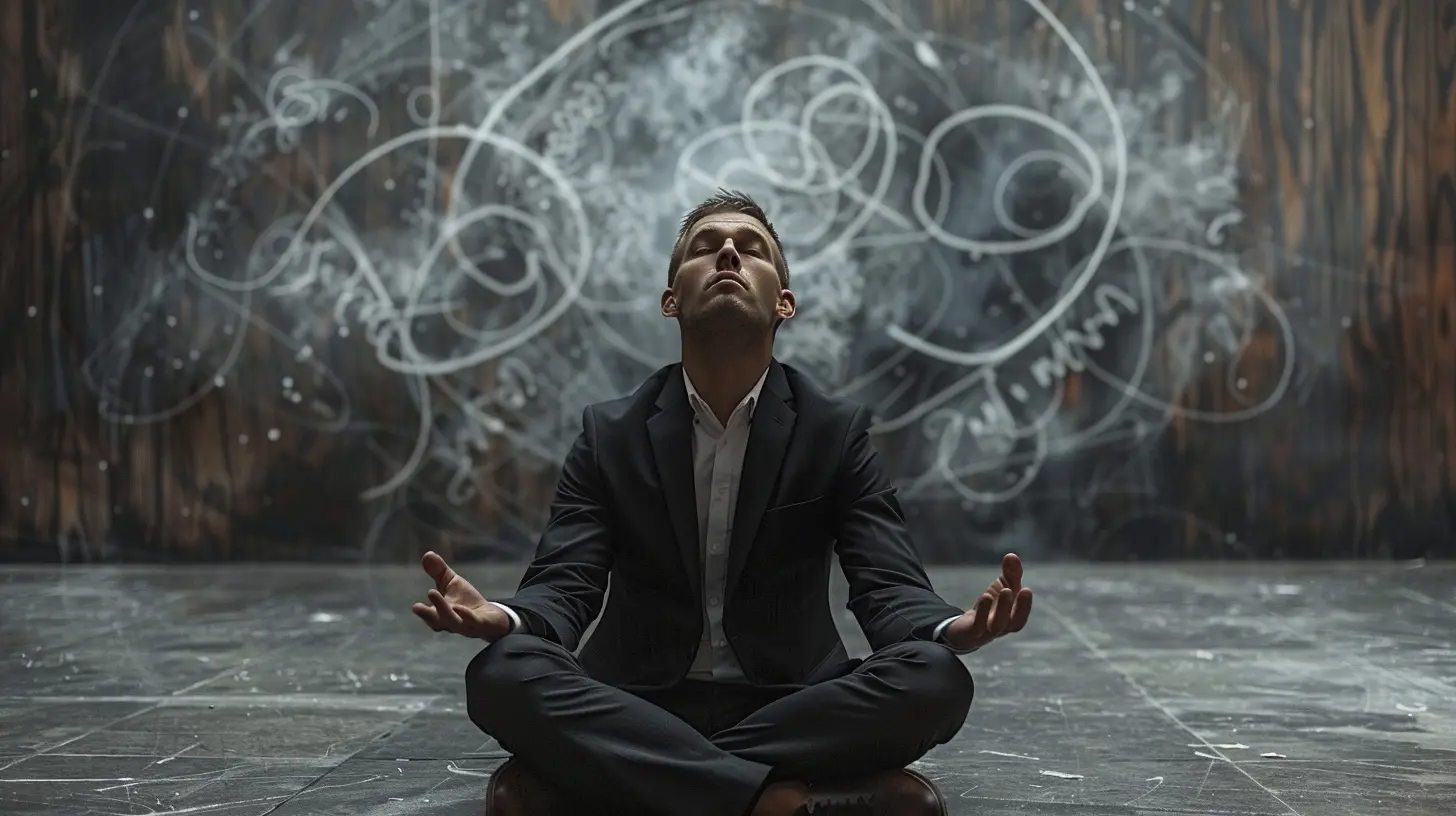
Long-Term Strategies to Build Mental Strength
1. Practice Mindfulness
Mindfulness helps you stay present rather than getting lost in stress. Daily meditation, even for just five minutes, can improve your ability to stay calm in high-pressure situations.2. Stay Physically Active
Exercise releases endorphins, which naturally reduce stress. Activities like yoga, running, or even a short walk can do wonders for your mental resilience.3. Get Enough Sleep
Lack of sleep heightens stress reactions. Aim for 7-9 hours of quality sleep each night to ensure your brain is at its best.4. Prepare and Plan Ahead
Often, stress comes from feeling unprepared. Set yourself up for success by prepping in advance. Whether it’s rehearsing a speech or creating a game plan for an important meeting, preparation breeds confidence.Final Thoughts
Staying calm under pressure isn’t about suppressing emotions—it’s about managing them effectively. By developing self-awareness, practicing proven strategies, and consistently working on your mental strength, you can navigate high-pressure situations with confidence and composure.So the next time you feel the weight of stress creeping in, take a deep breath, reframe the situation, and remind yourself: *You’ve got this.
all images in this post were generated using AI tools
Category:
Mental StrengthAuthor:

Janet Conrad
Discussion
rate this article
2 comments
Kael Reilly
Great insights! Practicing mindfulness truly enhances mental strength during stressful moments.
March 26, 2026 at 4:59 PM
Janet Conrad
Thank you! I’m glad you found the insights helpful. Mindfulness really is a powerful tool for building mental resilience.
Chloe Rios
Insightful piece on maintaining composure under pressure—very helpful!
March 19, 2026 at 4:19 AM
Janet Conrad
Thank you! I'm glad you found it helpful!