The Benefits of Multisensory Learning for Children with Learning Disabilities
17 January 2026
Let’s be real for a second—learning isn't one-size-fits-all, especially when it comes to kiddos with learning disabilities. Whether it’s dyslexia, ADHD, or a processing disorder, traditional classroom teaching methods often leave these children frustrated or left behind. But there's some good news: one method called multisensory learning is changing the game.
So, what exactly is multisensory learning and why is everyone from teachers to therapists raving about it? Well, grab your metaphorical magnifying glass and let’s dive in. This might just be the missing puzzle piece your child—or student—needs to finally feel seen, heard, and understood.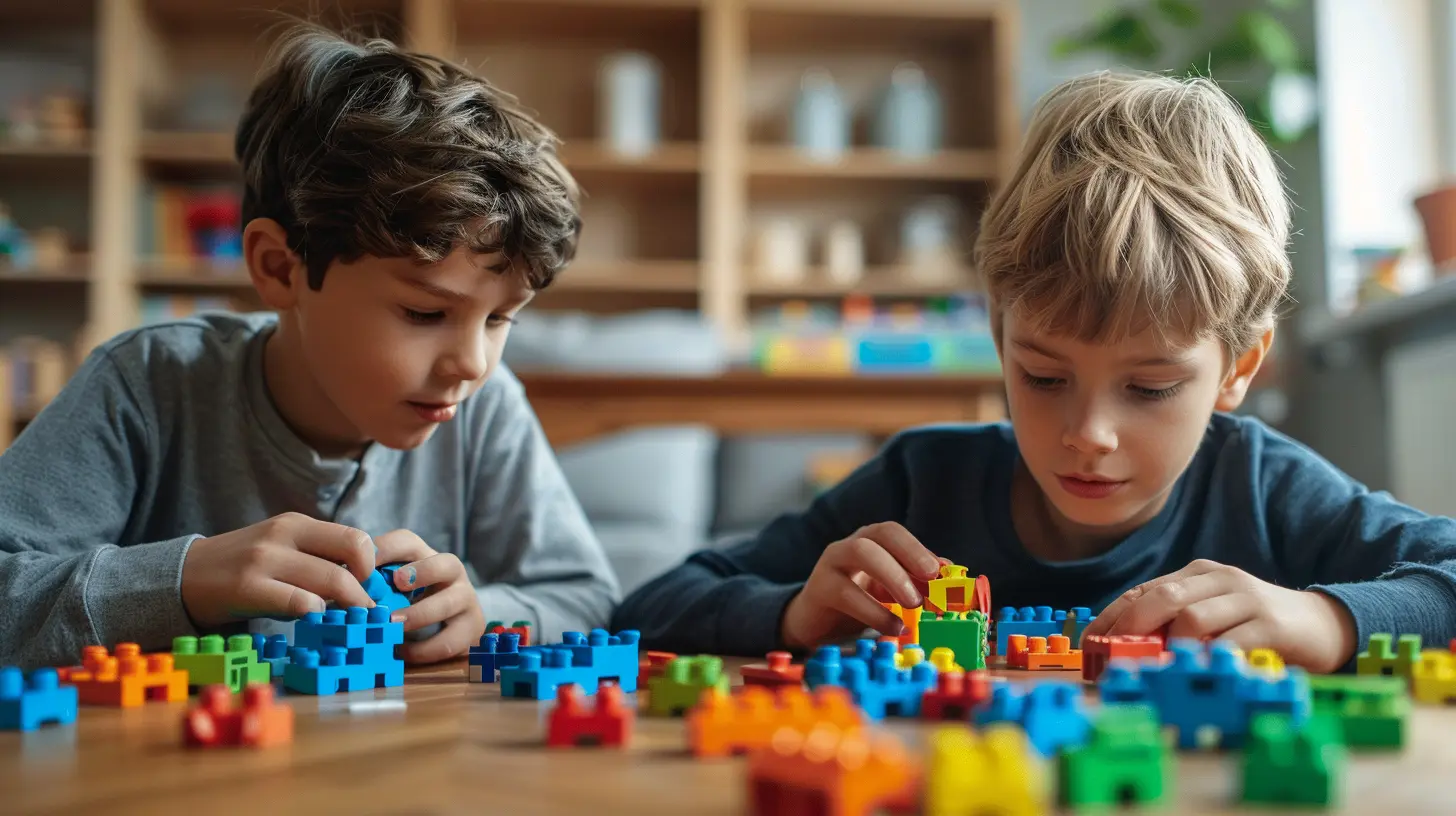
What Is Multisensory Learning?
Imagine trying to learn a dance move, but you're only allowed to watch someone else do it—no moving, no music, just watching. Sounds tough, right? That’s what traditional learning feels like for many kids with learning struggles. Now, imagine getting to hear the rhythm, feel the beat, and move your body. That’s the magic of multisensory learning.Multisensory learning is exactly what it sounds like. It's a teaching approach that taps into more than one sense at a time—think sight, sound, touch, and even movement. Instead of just reading about the letter “B,” a child might say it, trace it in sand, and bounce a ball every time they hear it in a word. It’s learning that’s interactive, engaging, and yes—fun!
Why Multisensory Learning Matters So Much
Here’s the deal: when you engage multiple senses while learning, you create more neural pathways in the brain. It’s like building a bunch of bridges to the same island, rather than relying on a single, shaky one.For children with learning disabilities, these extra "brain bridges" are lifesavers. They help kids compensate for areas where their brains process information differently. Multisensory learning leans into their strengths instead of spotlighting their struggles. And that, my friend, changes everything.
The Research Behind the Method
This isn’t just trendy teacher talk—there’s real science behind multisensory instruction. Studies have shown that students who are taught using multisensory techniques show greater retention, improved focus, and overall better comprehension when compared to single-mode learning methods.In fact, this approach aligns closely with the Orton-Gillingham method, one of the most respected programs for helping kids with dyslexia. It’s not just effective—it’s evidence-based and backed by decades of research.
The Core Benefits of Multisensory Learning
Alright, let’s get down to the benefits—and there are plenty. Whether you’re a parent, teacher, or just someone who cares deeply about kids and their learning journeys, here’s what you can expect from incorporating multisensory learning.1. Boosts Memory and Recall
Have you ever tried to remember someone’s name and just drawn a blank? But then someone shows you a picture of them, or you hear their voice again—and suddenly, it clicks?That’s how our brains work. We’re wired to remember more when we use multiple senses. When children use their hands, ears, eyes, and sometimes even their bodies to learn, that information sticks better. It's like super glue for the brain.
2. Builds Confidence and Reduces Anxiety
Let’s face it—school can be stressful for kids with learning disabilities. When they’re constantly struggling to keep up, it’s easy to feel defeated. But when they experience success through multisensory strategies, it’s like flipping the confidence switch.Suddenly, reading doesn’t feel impossible. Spelling isn’t a nightmare. Confidence grows, anxiety shrinks, and their mindset shifts from “I can’t” to “I totally got this.”
3. Encourages Active Participation
Multisensory learning isn’t about sitting quietly at a desk—it’s about getting up, moving around, and engaging with the material. That kind of active participation keeps kids interested and focused, especially those who struggle with attention-related issues like ADHD.When kids are part of the learning process (not just passive observers), they take ownership of their education. And let’s be honest—when learning feels like playtime, everyone wins.
4. Supports Different Learning Styles
Every child learns differently. Some are visual learners, others are auditory, and some need hands-on experiences to really get it. Multisensory learning covers all the bases. It allows educators to meet each child where they are, not where the curriculum says they should be.Think of it as a buffet of learning styles. Instead of serving the same plain sandwich to every kid, you’re offering a feast—so there’s something everyone can enjoy and benefit from.
5. Improves Focus and Reduces Distraction
Ever tried to read a book while your phone keeps buzzing? Distractions are the enemy of learning, especially for kids with attention disorders. But when learning is dynamic and interactive, it naturally holds their attention.Multisensory tasks like clapping syllables, tracing letters in shaving cream, or singing songs while learning math facts keep the brain engaged and less likely to wander off into la-la land.
Real-Life Examples That Work
Want some practical ways to bring multisensory learning into daily life? I’ve got you covered.Reading
- Use textured letters (think sandpaper or felt) to trace while sounding out words.- Sing songs with rhyming patterns.
- Act out scenes from a story to build comprehension.
Math
- Use counting beads or blocks to visualize numbers.- Draw math problems in shaving cream for a tactile experience.
- Clap or stomp to learn multiplication tables.
Writing
- Write letters in the air using big arm movements.- Practice spelling using magnetic letters.
- Use color-coded words to indicate nouns, verbs, and adjectives.
How Parents Can Support Multisensory Learning at Home
You don’t need a classroom or a degree in special education to make multisensory learning part of your child’s routine. Here’s how you can help right from your kitchen table.Create a Sensory Learning Space
Set up a small area with tools like kinetic sand, textured flashcards, or aroma markers. These items can turn ordinary assignments into multi-layered learning adventures.Mix It Up
Rotate learning activities to keep things fresh. One day could be building sight words with blocks; the next could be a scavenger hunt for math facts.Involve the Whole Body
Get moving! Jumping jacks while reciting spelling words or dancing through flashcards is not just fun—it’s memory magic.The Role of Educators in Multisensory Learning
Teachers play a huge role in how effective this approach can be. It’s not about reinventing the wheel—it’s about adding a little glitter to it.When educators shift from lecture-based instruction to interactive strategies, learners respond with enthusiasm and curiosity. Training in multisensory methods empowers teachers to connect with students in truly meaningful ways. And honestly, seeing the “aha!” moment on a child’s face? That’s priceless.
Overcoming Common Challenges
Of course, no method is perfect. Multisensory learning can be messy, time-consuming, and sometimes noisy. But the payoff? Huge.It may require planning and a bit more patience, but consider this: if spending a bit more time upfront results in lifelong learning gains for a child with disabilities, isn’t that time well spent?
Besides, who doesn’t love an excuse to bring slime into the lesson?
Wrapping It Up: Why It’s Worth the Effort
Multisensory learning isn’t just a buzzy trend—it’s a lifeline for children with learning disabilities. It taps into how kids naturally explore the world: through touch, sound, motion, and visuals. It’s learning in 3D.Whether you're a parent hoping to help your child thrive, or a teacher looking for effective strategies that actually work, adding a little multisensory magic could make all the difference.
At the end of the day, every child deserves a chance to succeed. And sometimes, that chance starts with letting them trace letters in whipped cream or sing the alphabet while jumping on a trampoline.
Because when learning becomes an experience—not just an expectation—it sticks, it matters, and it changes lives.
all images in this post were generated using AI tools
Category:
Learning DisabilitiesAuthor:

Janet Conrad
Discussion
rate this article
2 comments
Samuel McGuire
More senses, fewer meltdowns—winning strategy!
January 31, 2026 at 3:21 PM
Janet Conrad
Thank you! It’s amazing how engaging touch, movement, and sound can reduce overwhelm and unlock learning.
Edith McQuiston
Learning: It's a sensory buffet!
January 29, 2026 at 3:58 PM
Janet Conrad
Absolutely! Multisensory learning engages all senses, creating a rich, immersive experience that enhances understanding and retention for children with learning disabilities.