The Connection Between Personality and Sense of Humor
30 October 2025
Humor is a fascinating aspect of human psychology—it can break the ice, lighten the mood, and even serve as a defense mechanism in tough times. But have you ever wondered why some people have a dry, witty sense of humor while others prefer slapstick comedy? The way we joke, laugh, and respond to humor isn’t random—it’s deeply rooted in our personality traits.
In this article, we'll dive into the intriguing link between personality and sense of humor. Why do some people love dark humor while others find it offensive? Can humor reveal hidden personality traits? Let’s unpack these questions and more!
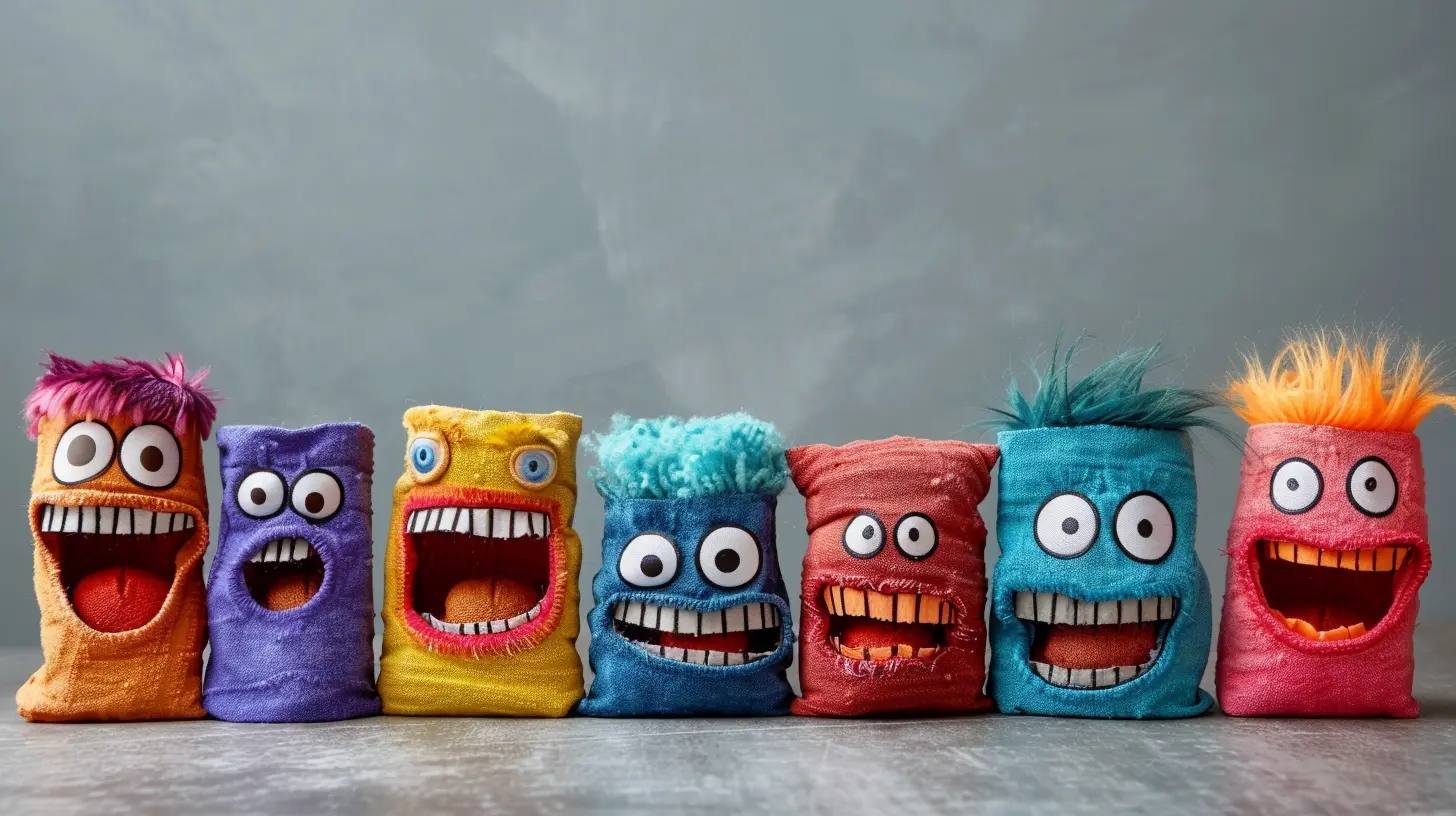
How Personality Shapes Our Sense of Humor
Our personality influences almost every aspect of our lives, including the way we perceive and express humor. Psychologists often refer to the Big Five Personality Traits—Openness, Conscientiousness, Extraversion, Agreeableness, and Neuroticism—when studying human behavior. These traits play a massive role in determining what kind of jokes make us laugh and how we use humor in social situations.1. Openness to Experience – The Creative Comedians
People high in openness tend to be creative, imaginative, and curious. They enjoy novelty and unconventional ideas, which makes them more receptive to sophisticated, abstract, or even surreal humor. These individuals often appreciate absurd, intellectual, or dark humor, as they aren't easily offended and love thought-provoking jokes.Ever laughed at a bizarre or ironic meme that others didn’t find funny? That’s openness at play! If you love witty wordplay or jokes that require some thinking, chances are you score high on this personality trait.
2. Conscientiousness – The Reserved Jokers
Conscientious people are organized, disciplined, and responsible. Due to their detail-oriented nature, they prefer humor that is structured and lighthearted rather than chaotic or offensive. Slapstick or crude humor might not appeal to them as much because they value decorum and appropriateness.They often use humor in subtle ways—perhaps through gentle teasing or witty remarks—but they might avoid joking excessively, especially in formal settings. Think of them as the friend who enjoys a clever pun but cringes at crude jokes!
3. Extraversion – The Life of the Party
Extraverts are social butterflies—they thrive on interaction, excitement, and high energy. It’s no surprise that they often have a boisterous and outgoing sense of humor. They enjoy telling jokes, engaging in playful banter, and making people laugh. Their humor can be loud, exaggerated, and attention-grabbing—think of stand-up comedians who use animated storytelling!Extraverts love spontaneous and social humor. They enjoy cracking jokes in groups and thrive on the positive reactions they receive. Ever met someone who always has a funny comeback or loves making people laugh at parties? That’s an extravert’s humor at its finest.
4. Agreeableness – The Warm and Friendly Humorists
Agreeable individuals are kind, compassionate, and cooperative. Because they prioritize harmony in relationships, their humor tends to be lighthearted, positive, and inclusive. They prefer to make others laugh without offending or embarrassing anyone.These people might use humor as a tool for bonding, often enjoying wholesome, playful jokes rather than sarcasm or dark humor. They’re the ones who appreciate heartwarming humor, like dad jokes or family-friendly comedy. If they ever joke at someone’s expense, it’s usually in a gentle, affectionate manner.
5. Neuroticism – The Self-Deprecating Wit
Neurotic individuals are prone to stress, anxiety, and emotional ups and downs. Interestingly, they often use humor as a coping mechanism—especially self-deprecating humor. They might crack jokes about their own flaws or misfortunes as a way to lighten the burden of negative emotions.However, people high in neuroticism may also be more sensitive to criticism and might not always appreciate humor directed at them. They sometimes gravitate toward dark humor, which helps them process emotions in a unique way. Ever laughed at a joke that was both funny and a little sad? That’s neurotic humor in action!
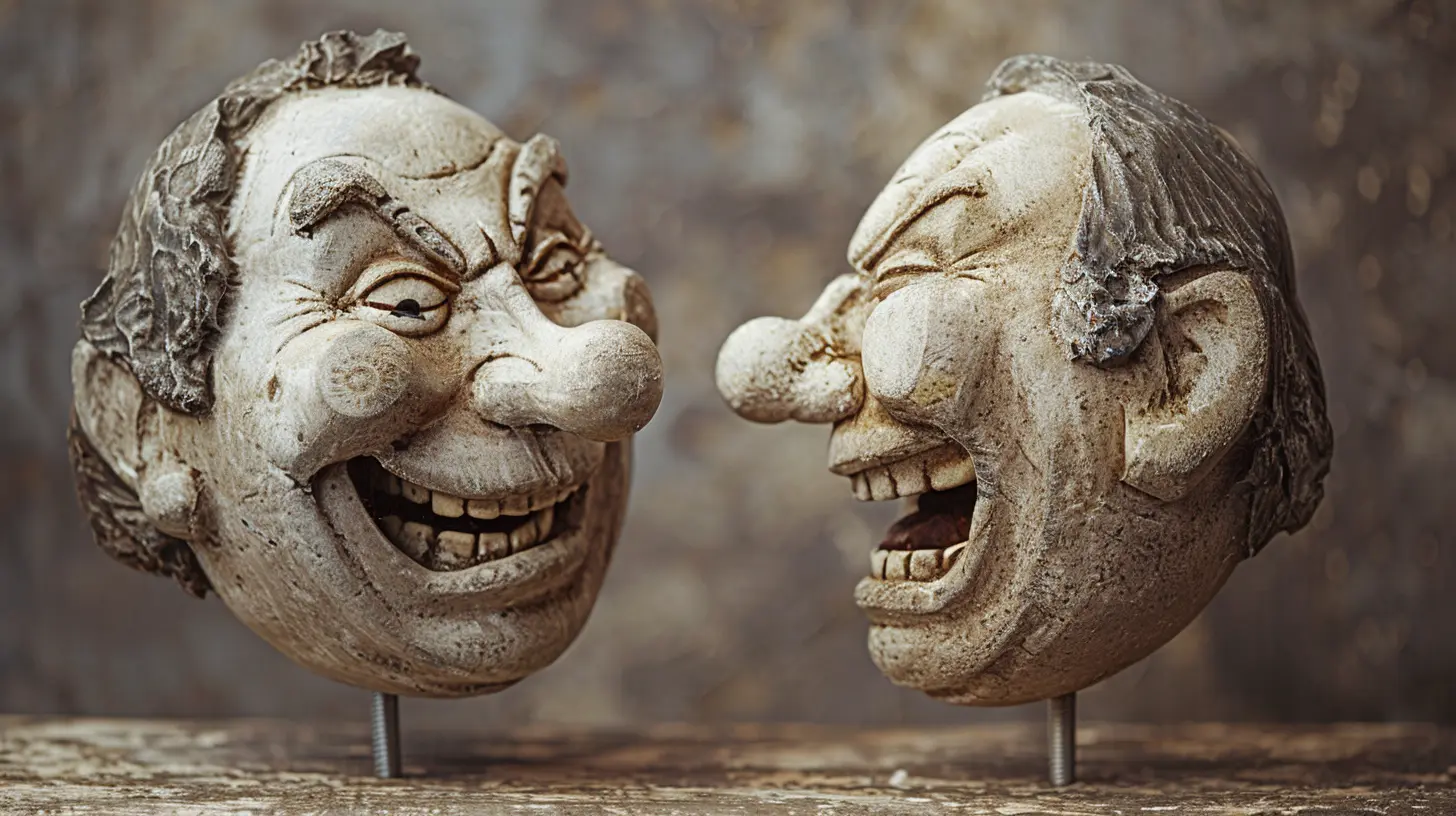
Different Types of Humor and What They Reveal About You
Humor isn’t just one-size-fits-all. Psychologists have categorized different styles of humor, and each one corresponds to specific personality traits. Let’s take a look at some of the key types:1. Affiliative Humor – The Friendly Jokester
This type of humor is all about connection. People who use affiliative humor love making others laugh in a positive, non-offensive way. Their jokes are often silly, light, and designed to create a warm atmosphere. If you enjoy cracking jokes to make people feel good, you likely have high agreeableness and extraversion.2. Self-Enhancing Humor – The Optimistic Wit
Some people use humor as a way to stay positive in difficult situations. They laugh off their problems, use humor to cope with stress, and find joy in everyday absurdities. This kind of humor is common in individuals who are emotionally resilient and have low neuroticism. If you always find a way to joke about life’s chaos, you likely possess this trait!3. Aggressive Humor – The Sarcastic Snarker
Aggressive humor can be a double-edged sword. It includes sarcasm, teasing, and sometimes even mockery. While it can be funny in the right context, it can also be hurtful if taken too far. People who frequently use aggressive humor tend to have lower agreeableness and may be more dominant in social interactions.Do you love sharp wit and sarcastic comebacks? If so, your humor might lean toward this category. Just be mindful of the fine line between funny and offensive!
4. Self-Deprecating Humor – The Laughing Survivor
People who frequently joke about their own flaws, mistakes, or bad luck tend to have higher neuroticism. While self-deprecating humor can be charming and relatable, it can also be a defense mechanism against insecurities. If used excessively, it might reveal underlying self-esteem issues.Ever made a joke about how bad you are at something before anyone else could point it out? That’s self-deprecating humor at work! When used in moderation, it can be both relatable and endearing.

Can Your Sense of Humor Change Over Time?
Absolutely! Our sense of humor isn’t set in stone—it evolves as we grow, experience new things, and adapt to different social environments. While personality provides a baseline, culture, upbringing, and life experiences also shape our comedic preferences.For example, someone who once loved slapstick humor as a teen might develop a taste for witty, intellectual humor later in life. Similarly, people who used humor as a coping mechanism during tough times might find themselves gravitating toward more lighthearted jokes as they heal.

Final Thoughts
Humor is more than just entertainment—it’s a window into our personality. Whether you’re the life of the party with bold jokes, the witty intellect who loves dry humor, or the kind-hearted friend who keeps it light, your humor says a lot about who you are.Next time you find yourself laughing at a joke, take a moment to reflect: What does this humor reveal about your personality? You might just discover something new about yourself!
all images in this post were generated using AI tools
Category:
Personality TypesAuthor:

Janet Conrad
Discussion
rate this article
1 comments
Judith Snyder
This article insightfully explores how our personalities shape our sense of humor, highlighting the fascinating interplay between traits and laughter.
November 6, 2025 at 3:58 AM
Janet Conrad
Thank you for your thoughtful comment! I'm glad you found the exploration of personality and humor insightful. It’s a fascinating topic that reveals much about our connections with others.