The Connection Between PTSD and Sleep Disorders
13 January 2026
Ever had one of those nights where sleep just won’t come? Imagine that, but it’s not just one night. It’s every night. For those suffering from PTSD (Post-Traumatic Stress Disorder), this is often the reality. Sleep disorders and PTSD are like two stubborn partners in an unhealthy relationship, continuously fueling each other’s fire. But what exactly is the connection between PTSD and sleep disorders? And why does trauma have such a powerful grip on something as natural as sleep? Let’s dive in.

What is PTSD?
Before we jump into the relationship between PTSD and sleep disorders, let’s make sure we’re all on the same page about what PTSD really is. PTSD is a mental health condition that can develop after someone has experienced or witnessed a traumatic event. It could be anything from a car accident, warfare, or even a natural disaster.When someone has PTSD, their brain processes the trauma in a way that keeps them stuck in survival mode. It's like a smoke alarm that keeps going off even when there’s no fire. They constantly feel on edge, and are often haunted by flashbacks, intrusive thoughts, and, yes, sleep disturbances. It's not just a bad memory — it’s like reliving the moment over and over again.
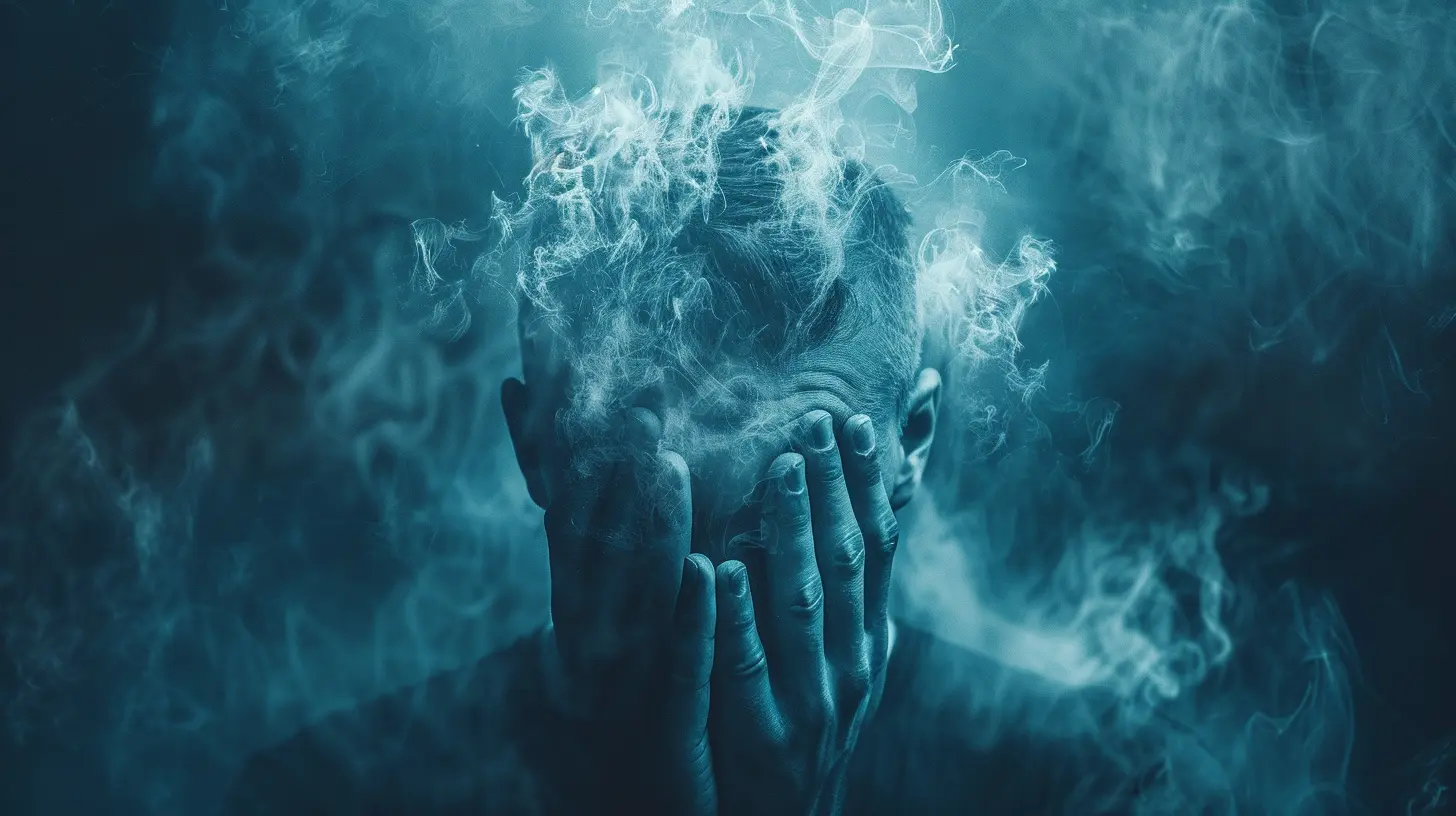
Common Symptoms of PTSD
To truly understand the connection between PTSD and sleep disorders, it’s helpful to know a bit more about the common symptoms of PTSD, which can vary from one person to another. Some of the key symptoms include:- Intrusive Thoughts: These are unwanted memories or flashbacks of the traumatic event that pop into your mind, often out of nowhere.
- Avoidance: Actively steering clear of places, people, or activities that could remind you of the trauma.
- Negative Changes in Thinking and Mood: This could involve feeling hopeless, detached, or even experiencing memory problems.
- Hyperarousal: This is where you feel constantly on edge, easily startled, or irritable.
One of the most notable symptoms of PTSD, though, is sleep disturbance — which brings us to the crux of this article.

How Does PTSD Affect Sleep?
There’s no denying that PTSD and sleep disorders are closely intertwined. In fact, studies show that up to 90% of people with PTSD experience some form of sleep disturbance. That’s a staggering number. But why does PTSD have such a huge impact on sleep?Nightmares and Flashbacks
One of the most common reasons people with PTSD struggle with sleep is due to nightmares. These aren’t your run-of-the-mill bad dreams. PTSD-related nightmares tend to be vivid, terrifying, and often directly linked to the traumatic event. It’s like your brain is forcing you to relive the trauma while you sleep.This constant replaying of trauma doesn’t just disturb your sleep — it can make the idea of going to bed in the first place something to dread. It’s no surprise that many people with PTSD develop insomnia because they actively try to avoid sleeping just to avoid the nightmares.
Hyperarousal and Anxiety
Another major factor is the state of hyperarousal that’s so common with PTSD. Imagine trying to sleep while your mind is racing, your heart is pounding, and you feel like something terrible is about to happen at any moment. It’s like trying to sleep with one eye open, always on alert.This heightened state of anxiety makes it incredibly difficult to fall asleep and stay asleep. Even if someone with PTSD does manage to drift off, they often wake up throughout the night. That fragmented sleep is far from restful and can lead to chronic sleep deprivation.
The Role of Cortisol
You’ve probably heard of cortisol — it’s the body’s main stress hormone. Normally, cortisol levels dip at night, helping your body wind down and prepare for sleep. But for people with PTSD, cortisol levels can remain elevated, even when they’re supposed to be sleeping.This constant flood of stress hormones makes it even harder for the body to relax and enter deep, restorative sleep. It’s like trying to sleep with a jackhammer going off in your brain.

Common Sleep Disorders Associated with PTSD
So, what specific sleep disorders are most commonly associated with PTSD? Let’s take a closer look at some of the most prevalent ones.1. Insomnia
As mentioned earlier, insomnia is incredibly common in people with PTSD. This can manifest as difficulty falling asleep, waking up frequently during the night, or waking up too early in the morning and being unable to go back to sleep.For someone with PTSD, insomnia isn’t just a minor inconvenience — it can worsen other symptoms of PTSD, like irritability, difficulty concentrating, and mood swings. It’s a vicious cycle: the more you can’t sleep, the worse your symptoms get, and the worse your symptoms get, the harder it is to sleep.
2. Nightmares and REM Sleep Disorder
Nightmares are a hallmark of PTSD-related sleep issues. For some, these nightmares are so intense and frequent that they develop REM Sleep Behavior Disorder. Normally, during REM sleep (the stage where vivid dreaming happens), your body is paralyzed to prevent you from acting out your dreams.However, in REM Sleep Behavior Disorder, that paralysis doesn’t happen, leading people with PTSD to physically act out their nightmares. This can involve anything from talking and shouting to thrashing and even injuring themselves or their partner.
3. Sleep Apnea
Interestingly, there’s also a link between PTSD and sleep apnea. Sleep apnea is a disorder where your breathing repeatedly stops and starts during sleep. While it’s often caused by physical factors like obesity or a blocked airway, research suggests that PTSD can increase the risk of developing sleep apnea.This could be due to the body’s heightened state of stress and hyperarousal, which may affect the muscles that control breathing during sleep. The cycle of poor sleep, stress, and disrupted breathing only worsens the overall quality of life for someone with PTSD.
4. Restless Leg Syndrome (RLS)
Some individuals with PTSD may also develop Restless Leg Syndrome, a condition that causes uncomfortable sensations in the legs and an uncontrollable urge to move them, especially at night. This further disrupts sleep and can lead to feelings of frustration and exhaustion.The Impact of Sleep Disorders on PTSD
Now that we’ve covered how PTSD can cause sleep disorders, let’s flip the script and talk about how sleep disorders can affect PTSD. It’s a two-way street — poor sleep doesn’t just result from PTSD, it can also make PTSD symptoms worse.Sleep and Emotional Regulation
Sleep plays a huge role in regulating our emotions. When we’re well-rested, we’re better equipped to manage stress, stay calm, and think clearly. But when we’re sleep-deprived? Everything feels harder. We’re more irritable, more anxious, and less able to cope with challenges.For someone with PTSD, poor sleep can magnify their symptoms. It can make them feel more on edge, increase their anxiety, and even make their flashbacks and intrusive thoughts more frequent. Essentially, a lack of sleep makes it even harder for the brain to process trauma in a healthy way.
The Role of REM Sleep
REM sleep is particularly important for emotional healing. During REM sleep, the brain processes the events of the day and helps to consolidate memories. It’s also when we process emotions. But people with PTSD often have disrupted REM sleep, either due to nightmares or other sleep disorders.This disruption can prevent the brain from properly processing the trauma, making it harder for someone with PTSD to recover. In other words, sleep isn't just a luxury — for people with PTSD, it’s a critical part of the healing process.
Treatment Options: Breaking the Cycle
So what can be done? The good news is that there are treatments available for both PTSD and the sleep disorders that go hand-in-hand with it. In many cases, treating the sleep disorder can help alleviate some of the symptoms of PTSD, and vice versa.Cognitive Behavioral Therapy for Insomnia (CBT-I)
Cognitive Behavioral Therapy for Insomnia (CBT-I) is a highly effective treatment for insomnia, especially in people with PTSD. CBT-I helps individuals change their thoughts and behaviors around sleep. It focuses on breaking the negative thought patterns that contribute to insomnia, like the fear of going to sleep due to nightmares.Medications
In some cases, doctors may prescribe medications to help manage sleep disorders in people with PTSD. This could include sleep aids, anti-anxiety medications, or medications specifically designed to reduce nightmares, such as prazosin.However, medication is usually a short-term solution and is often used in combination with therapy for the best results.
Trauma-Focused Therapy
For PTSD itself, trauma-focused therapies like EMDR (Eye Movement Desensitization and Reprocessing) or Prolonged Exposure Therapy can be incredibly beneficial. These therapies help individuals process their trauma in a healthy way, which can reduce symptoms like nightmares and hyperarousal, ultimately improving sleep.Mindfulness and Relaxation Techniques
Practices like mindfulness meditation, deep breathing exercises, and progressive muscle relaxation can also help reduce anxiety and promote relaxation before bedtime. These techniques can be particularly useful for calming the mind and body, making it easier to fall asleep.Final Thoughts
The connection between PTSD and sleep disorders is undeniable. For many people with PTSD, sleep becomes a battleground where nightmares, anxiety, and hyperarousal reign. But there is hope. With the right combination of therapy, treatment, and self-care, it’s possible to break the cycle and reclaim restful sleep.If you or someone you know is struggling with PTSD and sleep disorders, don’t hesitate to seek help. Sleep is more than just a break from the day — it’s a vital part of healing and recovery.
all images in this post were generated using AI tools
Category:
Post Traumatic Stress DisorderAuthor:

Janet Conrad
Discussion
rate this article
2 comments
Zorina Mitchell
This article highlights an important connection; understanding can lead to healing and hope.
February 5, 2026 at 5:35 PM
Janet Conrad
Thank you for your thoughtful comment! I'm glad you found the connection between understanding PTSD and sleep disorders meaningful. Healing begins with awareness.
Ashley Reynolds
Sleep tight, don’t fight!
January 14, 2026 at 3:44 AM
Janet Conrad
Thank you! Sleep is crucial for healing, and I appreciate your supportive words.