The Emotional Impact of Learning Disabilities on Self-Esteem
29 May 2026
Let’s cut the fluff and get real for a second — having a learning disability can feel like showing up to a dance party wearing two left shoes. Sure, everyone else seems to be moonwalking through math problems and pirouetting through essays while you're just trying to survive without tripping over your own thoughts. Sound familiar?
Now, toss in a bunch of report cards with more red ink than a murder scene, a couple of teachers who think “try harder” is a solid strategy, and classmates who think you're weird for not getting things right on the first go. That cocktail of confusion, frustration, and judgment? Yeah, it shakes up one heck of an emotional storm — and your self-esteem is sitting right in the eye of it.
So let’s take a cheeky but heartfelt dive into how learning disabilities sneakily — and sometimes aggressively — mess with how we see ourselves. Buckle up, it's going to be a bumpy ride full of truth bombs, awkward metaphors, and a few laughs along the way (because crying is too cliché).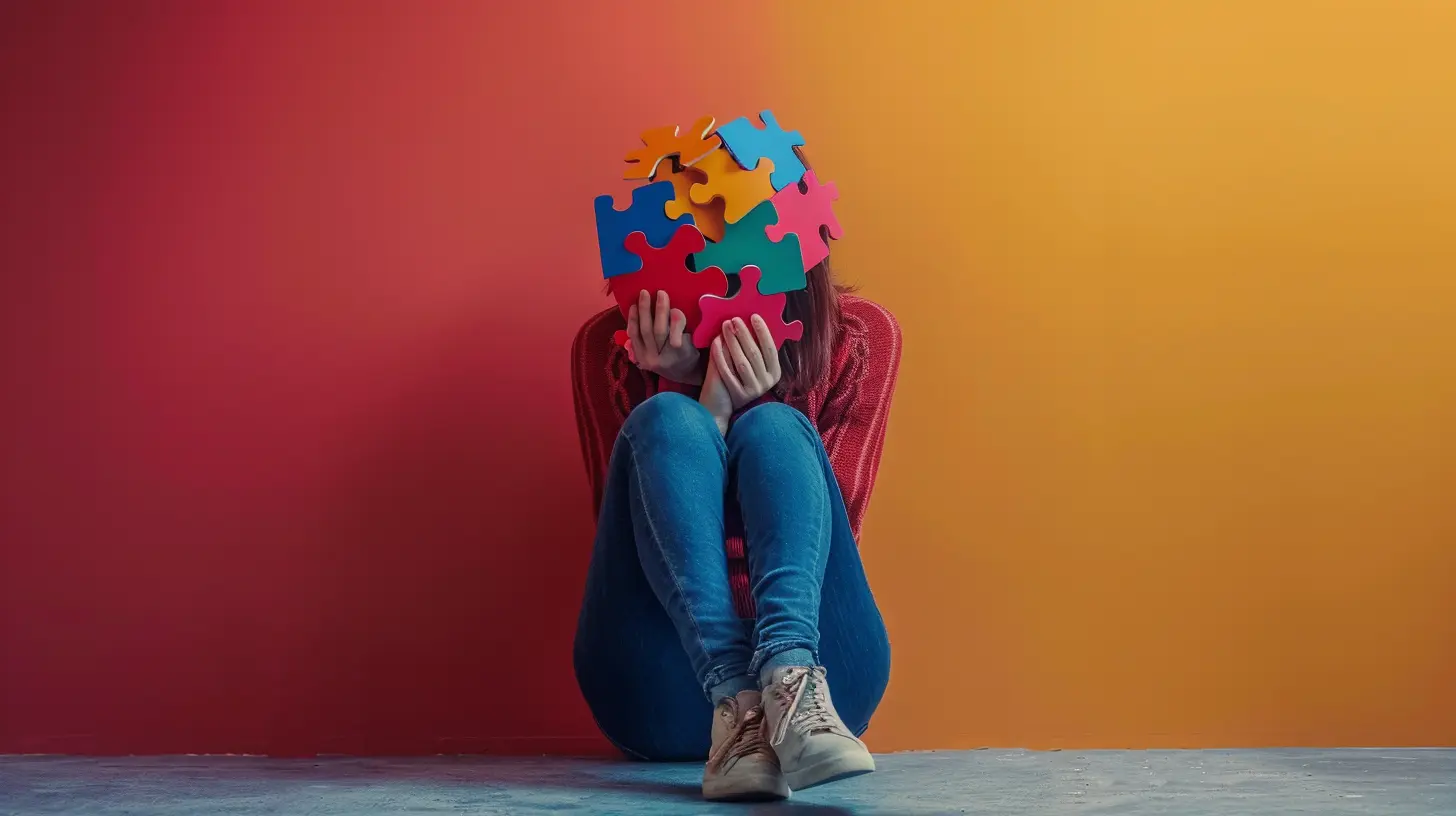
What Exactly Are Learning Disabilities? (No, It’s Not Just “Bad at School”)
First things first, let’s clear the air. Learning disabilities aren’t a fancy excuse to dodge homework. They’re neurodevelopmental disorders that impact how people process information. That means stuff like reading, writing, math, listening, and even speaking can become a daily mental marathon — without the water breaks.Common types include:
- Dyslexia – Thanks, English language, for spelling “dyslexia” in the most dyslexic-unfriendly way possible.
- Dyscalculia – Where numbers feel like evil mystical symbols from a forgotten language.
- Dysgraphia – When writing looks like a secret code even you can’t decipher.
- Auditory processing disorder – Because your brain needs subtitles even when people are speaking live.
Spoiler alert: Having a learning disability doesn’t make someone less smart. Ever heard of Einstein? Yeah, the dude had learning difficulties and still managed to figure out the universe. But even geniuses struggle emotionally when people treat them like they’re broken. 
Enter: The Self-Esteem Saboteurs
You know those little paper cuts of the soul? That’s what learning disabilities do to self-esteem. It’s not one big blowout; it’s death by a thousand misunderstood worksheets, confused teachers, and well-meaning relatives who suggest you just “read more books.”Here are the usual suspects when it comes to killing that self-esteem vibe:
1. Academic Frustration: The Silent Confidence Killer
You study, you try, you cry, and still — your test comes back looking like it was graded with a chainsaw. If that doesn’t chip away at your confidence, what will? Repeated failure doesn’t just feel discouraging; it starts to whisper lies like “you're dumb,” “you're not trying hard enough,” or my personal favorite, “you’ll never get this.”Spoiler: none of that is true. But guess what? Repeated “failures” (read: the system failing YOU) have a way of burrowing into your brain like termites, slowly eroding your self-belief.
2. Social Anxiety: Because You Know They’re Judging
Kids and teenagers — heck, let’s be real, adults too — can be brutal. And when your learning disability causes you to read out loud slower than everyone else or stumble through an in-class assignment, the side-eyes and stifled giggles ignite a lovely little internal monologue: “They think I’m stupid.” Cue the social anxiety!This stuff doesn’t stay in the classroom either. It crawls into friendships, workplace dynamics, and even romantic relationships. Because somewhere in your head, you start believing you’re less than.
3. The Comparison Game: A One-Way Ticket to Self-Hate Town
Let’s play a rousing game of “Why can’t I be like them?” complete with bonus rounds of “I’ll never be good enough.” Sounds familiar?When everyone else seems to be cruising through the academic freeway while you’re stuck in a mental traffic jam, it’s hard not to internalize the idea that you’re behind. And unlike traffic, personal growth doesn’t have a handy GPS or ETA. So the longer it takes, the worse you feel.
How Learning Disabilities Shape Identity
Have you ever heard of the term “label fatigue”? No? Well, consider it coined now.Living with a learning disability often means being defined by it. You’re not just “Tom” or “Sasha”; you’re “the kid with dyslexia.” That label starts to feel like a tattoo you didn’t ask for — but now it’s the first thing people notice.
This leads to:
- Over-identification – When you start to think your disability is your whole personality. Spoiler: it’s not.
- Under-identification – When you try to pretend it doesn’t exist and end up struggling in silence. Also not ideal.
Identity built on struggle can become exhausting. It becomes a full-time job to mask, fake, or perform constantly just to come off as “normal.” And somewhere along the line, your identity starts feeling like a costume rather than a reflection of who you really are.
But Wait, There’s Hope. (No Sarcasm Here, I Promise)
Okay, enough with the doom and gloom. Let’s talk solutions, because it turns out the story doesn’t have to end with a sad montage of crushed dreams and awkward parent-teacher nights.1. Self-Awareness: The First Step to Owning Your Narrative
Knowing what you’re dealing with is half the battle. Once you understand your brain’s unique processing patterns, it becomes less scary and more... manageable. Like realizing the monster under the bed is just a pile of laundry.When people with learning disabilities are given the vocabulary to describe their experience, they often feel empowered rather than ashamed. And that shift? It’s everything.
2. Celebrating Strengths: Cue the Confetti Cannons
You’re not just a collection of struggles — you’re a powerhouse of hidden talents. Maybe you suck at spelling but can visualize architectural designs in your head. Or perhaps math is confusing but storytelling comes as naturally as breathing.True self-esteem doesn’t come from pretending to be good at everything. It comes from owning your strengths and giving less airtime to the areas that aren’t your jam (thank you, delegation!).
3. Redefining Success: Spoiler, It’s Not Just Grades
Who decided “A+” equals life success anyway? Let’s be real, most people can’t even remember what they got in 9th grade chemistry. Yet, for those with learning disabilities, every test and grade feels like a verdict.The game-changer? Redefining success. Maybe for you, success is asking for accommodations without guilt, finishing a book chapter, or just showing up for yourself every single day. Those wins count — big time.
Emotional Support: More Than Just “You Got This” Posters
Let’s talk feelings (yes, even if they make you queasy). Because navigating learning disabilities without emotional support is like skydiving with a backpack full of bricks instead of a parachute.1. Therapy: Your Brain’s Personal Trainer
Therapists, especially ones who get neurodiversity, are worth their weight in gold. They help unpack that suitcase full of shame, anxiety, and crushed confidence — all without judging your spelling errors.Cognitive Behavioral Therapy (CBT), in particular, has been a blessing for many struggling with low self-worth tied to learning disabilities. It’s like Marie Kondo-ing your brain: “Does this belief spark joy?” Nope? Let’s toss it.
2. Support Groups: Because Misery Loves Company (And Memes)
Sometimes, the most healing thing is hearing, “Me too.” Being in a community of people who’ve dealt with the same academic awkwardness and emotional fallout can be profoundly affirming. Bonus: you end up swapping survival tips and hilarious stories that would make any neurotypical person’s head spin.Parents and Teachers, Please Take Notes
If you’re a parent or educator and still reading this — bless your patient soul. You’ve got a big role in supporting a child’s (or student’s) self-esteem. So stop using phrases like “lazy” or “weird” and start using tools like understanding, patience, and praise for effort.Pro tips:
- Focus on progress, not perfection.
- Make accommodations — they’re not “cheating,” they’re leveling the playing field.
- Celebrate the small wins like they just won the Super Bowl.
Words stick. Choose them wisely.
Final Thoughts: Because You’re Not Broken, The System Is
Here’s the big, shiny truth: Learning disabilities don’t make you less capable, they just mean your brain takes a scenic route while others take the highway. Different? Yes. Defective? Absolutely not.The emotional impact of struggling in a world built for linear thinkers is real, raw, and often relentless. But so is your resilience. And once you start rewriting the script — one that celebrates your strengths, embraces your quirks, and refuses to let some backward spelling rule dictate your self-worth — that’s when the magic happens.
So yeah, maybe you can’t do long division in your head or spell “necessary” without Googling it (seriously, two Cs or two Ss?) — but you’ve got grit, creativity, and a whole lot of heart. And in the long run, those qualities matter way more than acing a vocab quiz.
Now go strut your stuff, you beautifully complex, gloriously different human being.
all images in this post were generated using AI tools
Category:
Learning DisabilitiesAuthor:

Janet Conrad
Discussion
rate this article
1 comments
Rhett McMurtry
Learning disabilities challenge, but resilience builds strength.
June 19, 2026 at 3:26 PM