The Impact of Learning Disabilities on Social Relationships
30 January 2026
When we talk about learning disabilities, most people instantly think about struggling with school—perhaps difficulty reading, writing, or doing math. And while that’s absolutely true, there's a whole other side to learning disabilities that doesn’t get as much attention: the social side.
Let’s be honest—navigating friendships, conversations, and social cues is hard enough without any added challenges. For kids, teens, and even adults with learning disabilities, this can get incredibly complicated. So in this article, we're going to unpack the real-life impact of learning disabilities on social relationships, in all its messy, beautiful, and sometimes painful detail.
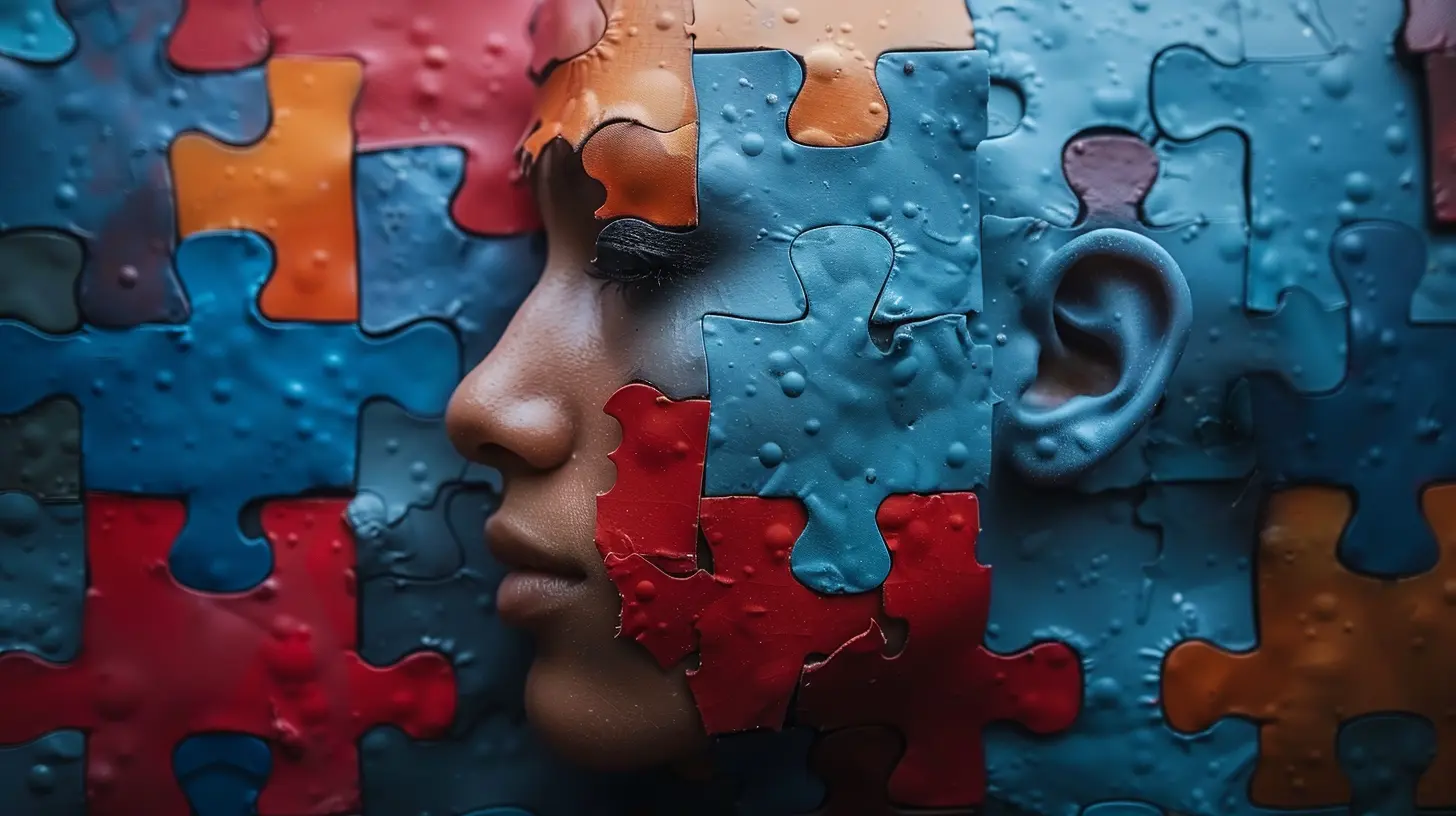
What Are Learning Disabilities, Really?
Before we dive into the social piece, let’s clear up what we mean by “learning disabilities.” These aren’t about intelligence. People with learning disabilities are just as smart—and often more creative and resilient—than their peers. The issue lies in how their brains process information.Some common types of learning disabilities include:
- Dyslexia – trouble with reading or interpreting words
- Dyscalculia – difficulty with numbers or mathematical reasoning
- Dysgraphia – challenges in writing and fine motor skills
- Auditory or Visual Processing Disorders – trouble interpreting what is heard or seen
- Nonverbal Learning Disorder (NVLD) – difficulty with social skills and interpreting body language
Each of these comes with its own unique set of hurdles. And let’s not forget—many people have more than one.
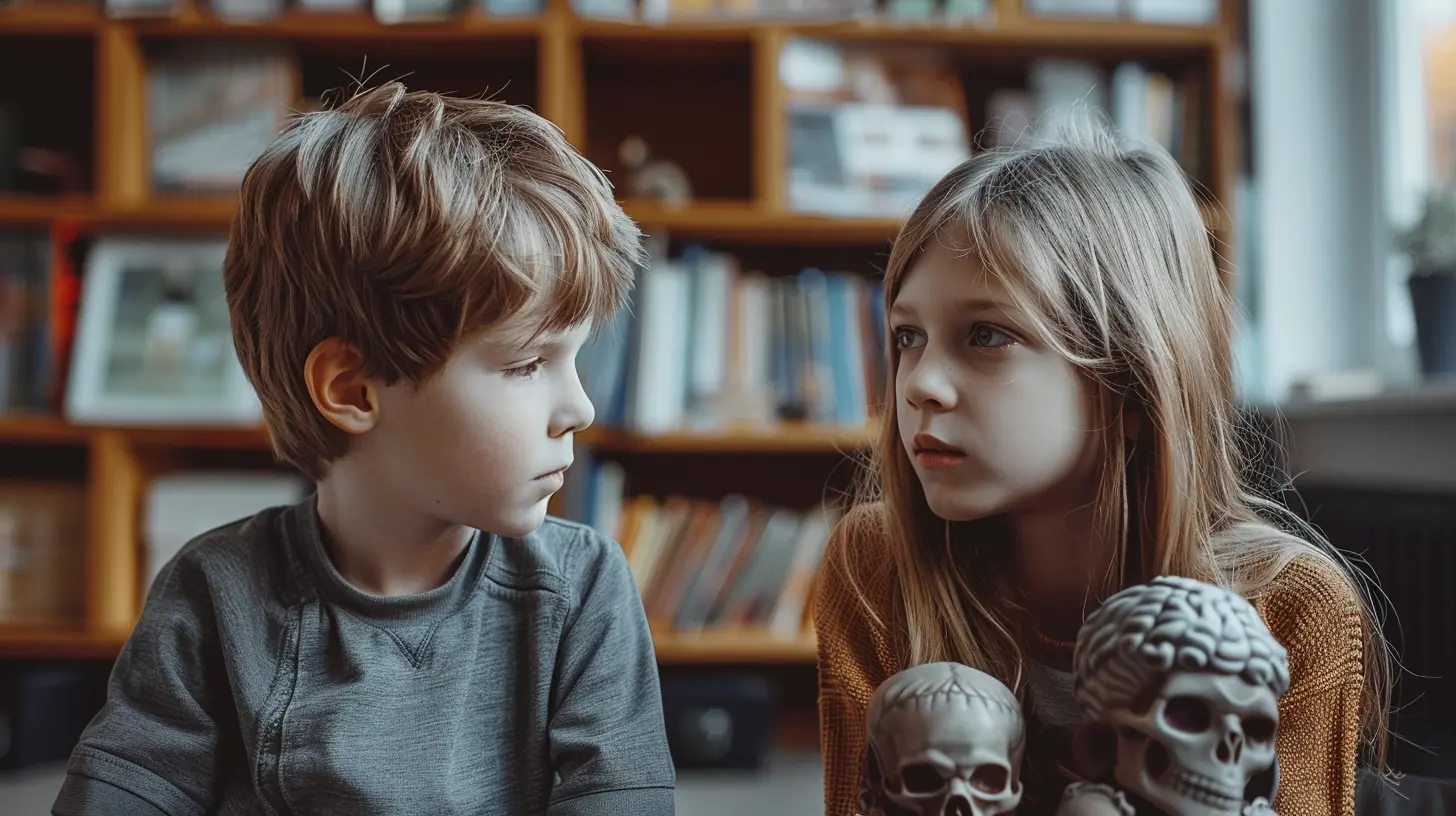
Social Skills: The Hidden Curriculum
Think about your school days. Sure, you learned about history and math and science. But remember the other stuff—the unspoken rules of making friends, handling group projects, or surviving lunchroom politics?This unspoken part of school is often called the "hidden curriculum." It's where social skills are developed. Now, imagine trying to learn all of that while your brain is already busy processing letters backwards or struggling to understand verbal instructions.
People with learning disabilities often miss out on these “teachable” moments—not because they aren’t paying attention, but because the way they learn just doesn’t line up with how it’s being taught or modeled.
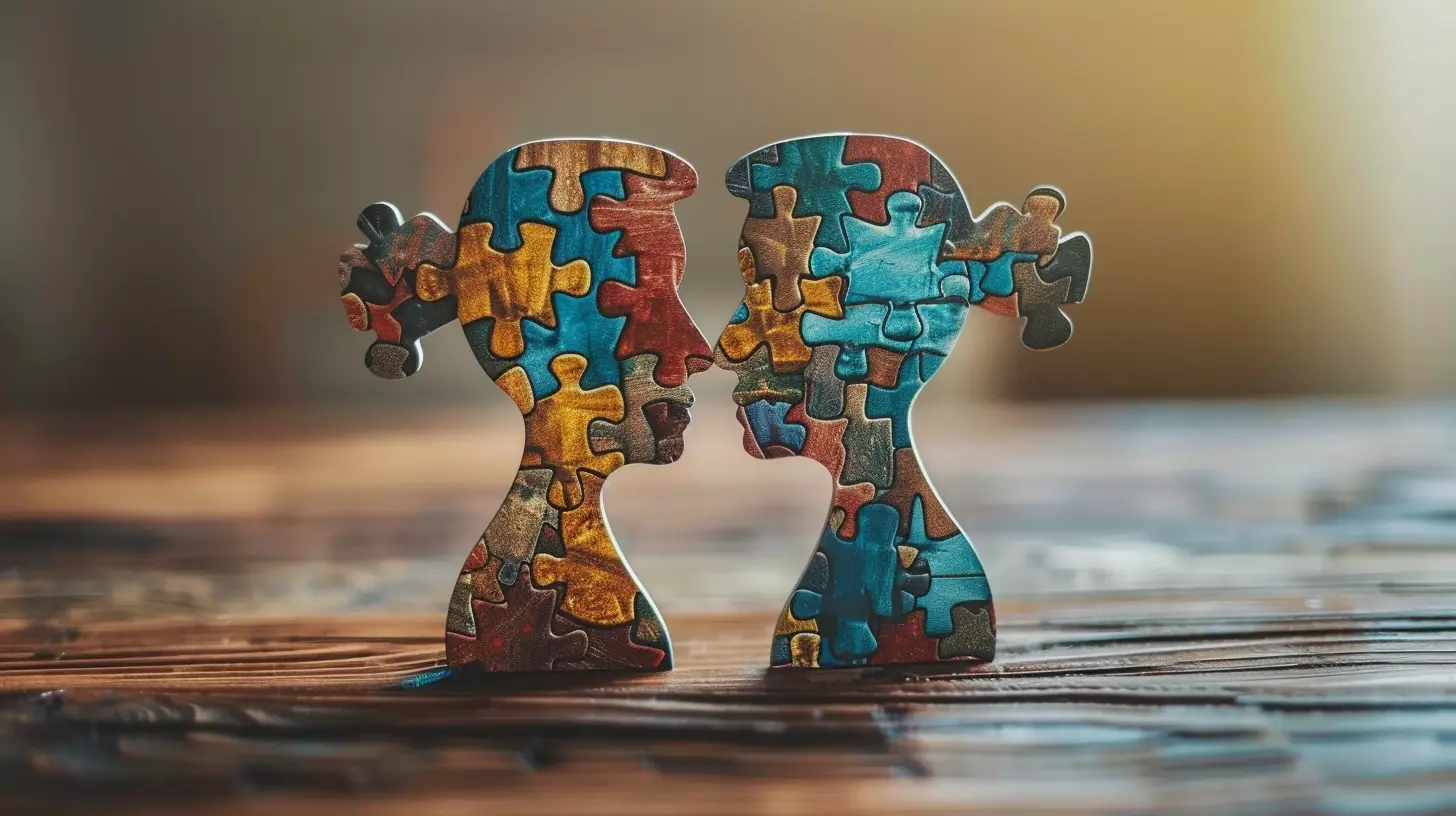
How Learning Disabilities Affect Social Relationships
Let’s talk about the actual impact. Here’s how having a learning disability can shape the way someone interacts with others.1. Difficulty Reading Social Cues
Body language, facial expressions, tone of voice… we rely on all these things to interpret what someone really means. But for someone with a learning disability—especially nonverbal learning disorders—these cues might as well be written in a foreign language.Imagine trying to make a friend, but you can’t tell if someone’s joking or being serious. You misread sarcasm. You miss subtle facial expressions. That kind of mix-up can lead to awkward (and sometimes painful) interactions.
2. Low Self-Esteem and Shyness
Let’s not sugarcoat it—constantly struggling in school can take a serious toll on your confidence. If you’re always the one who needs extra time on tests, or who reads aloud slower than everyone else, it’s easy to start feeling “less than.”And that feeling doesn’t stop at academics. It follows students into their social lives. They may hang back, avoid speaking up, or isolate themselves because they expect to be judged.
3. Trouble with Communication
Communication isn’t just about speaking—it’s about expressing ideas clearly, understanding others, and timing conversations. Those with language-based learning disabilities may struggle to find the right words or may talk in a way that seems “off” to others.This can make it harder to make (and keep) friends. People may misunderstand their intentions or label them as “awkward” or “weird” without realizing what they’re dealing with.
4. Increased Risk of Bullying
Let’s face it: kids can be cruel. The very traits we just talked about—the difficulties with cues, communication, and low confidence—can make someone a target for bullying.And once bullying enters the picture, that social wall becomes even harder to climb. Trust gets broken. Social anxiety builds. And the willingness to try again gets smaller and smaller.
5. Difficulty in Group Settings
Whether it's school projects, sports teams, or workplace meetings, group settings can be absolute minefields for someone with a learning disability.Why? Because they often involve multitasking, fast-paced conversations, reading group dynamics, and quick decision-making—all of which can be draining or confusing for someone whose brain works differently.
The Ripple Effect on Mental Health
It’s not just friendships that take a hit. There’s a ripple effect here that touches mental health in some serious ways.Loneliness, anxiety, depression—these are all more common among people with learning disabilities. When someone feels misunderstood or left out again and again, they may start to withdraw not only socially, but emotionally.
And here's the kicker—sometimes they don’t even realize what's causing it. They just know that socializing feels like driving in the dark without headlights.
Strategies That Can Make a Real Difference
Okay, enough of the doom and gloom. Let’s talk solutions. The great news is that with the right strategies and a supportive environment, social skills can improve significantly—even for those with learning disabilities. Here’s how we can help.1. Early Intervention Matters
The sooner a child gets appropriate support, the better. Social skills can be explicitly taught—just like math or reading.Speech therapists, special education teachers, and school counselors can provide targeted help with communication and social understanding. The earlier these tools are introduced, the more natural they become over time.
2. Role-Playing and Social Stories
Role-playing real-life scenarios (like how to ask to join a game or respond to teasing) can be incredibly effective. It gives the person a chance to practice in a safe environment before jumping into the real world.Social stories—simple, personalized stories that describe social situations—can also help break down what’s expected in certain interactions.
3. Peer Mentorship and Inclusive Activities
When schools pair students with peer mentors, it fosters real connection and understanding. Programs that mix ability levels—like inclusive sports teams or drama clubs—give students with learning disabilities a chance to shine and to be seen for who they are, not just for what they struggle with.4. Focus on Strengths, Not Just Weaknesses
Everyone has something they're good at. Maybe it’s drawing, coding, making people laugh, solving puzzles, or showing empathy.Focusing on these strengths can build confidence and create natural bonding opportunities with others. After all, people connect over shared interests—not test scores.
5. Educate the Community
Ignorance breeds stigma. The more teachers, parents, and students understand about learning disabilities, the more supportive and inclusive schools and workplaces become.Simple awareness can go a long way. When people know someone’s not being “rude” or “spacey” but is managing a learning difference, judgment often turns into empathy.
Social Challenges Don’t End in Childhood
A lot of times, we talk about learning disabilities as if they only affect kids. But that’s just not true.Adults with learning disabilities often carry the scars of early social rejection. Romantic relationships, friendships, and work dynamics can still be confusing and stressful.
However, with maturity comes awareness—and awareness leads to adaptation. Many adults develop their own systems and tools to manage social difficulties. Therapy, coaching, support groups—they all provide spaces for growth. And it's never too late to make meaningful social connections.
A More Compassionate Future
We’ve come a long way in how we talk about and support learning disabilities. But we’re not there yet.If we want to build a more compassionate future, we have to look beyond the classroom. This means creating social spaces that are welcoming to neurodiversity. It means teaching kids not just how to read and write, but how to include and connect.
Because at the end of the day, everyone wants the same thing—to belong. And that simple human need deserves just as much attention as any academic challenge.
all images in this post were generated using AI tools
Category:
Learning DisabilitiesAuthor:

Janet Conrad
Discussion
rate this article
2 comments
Winter McInnes
In shadows where words may stumble, Hearts connect in silent grace. Learning's dance may twist and tumble, Yet friendship's light finds its place. Embrace the beauty in the struggle, For love's language knows no bounds.
February 20, 2026 at 5:40 AM
Janet Conrad
Beautifully expressed. The bond of friendship can truly shine, even amidst challenges. It's a reminder of how connection transcends barriers.
Nadine Cummings
Thank you for this insightful article. It beautifully highlights the often-overlooked emotional and social challenges faced by individuals with learning disabilities. Your compassionate approach reminds us of the importance of fostering understanding and support in our relationships, ensuring that everyone feels valued and connected. Truly a valuable read!
February 2, 2026 at 3:22 AM
Janet Conrad
Thank you so much for your kind words! I'm glad you found the article insightful and that it resonated with you. Promoting understanding and support is crucial.