The Impact of PTSD on Parenting and Family Dynamics
29 June 2026
Parenting isn't easy in the best of times. There's no manual, no guaranteed outcomes, and often not enough coffee. But when you're a parent living with PTSD (Post-Traumatic Stress Disorder), the everyday challenges of raising kids can feel like trying to swim upstream in a raging river—with emotional whirlpools threatening to pull you under.
PTSD doesn’t just affect the individual—it ripples across the entire family. The highs and lows, triggers and flashbacks, emotional numbness or explosive outbursts become part of the household rhythm. And while it can be deeply painful, it’s not a hopeless story. Far from it. Understanding the impact of PTSD on parenting and family dynamics is the first step toward healing, connection, and growth.
Let’s dive into this topic with compassion, clarity, and a bit of real talk.
What Exactly Is PTSD?
Before we can talk about parenting with PTSD, let’s ground ourselves in what PTSD actually is.Post-Traumatic Stress Disorder is a mental health condition triggered by experiencing or witnessing a traumatic event—like war, assault, natural disasters, abuse, or accidents. It doesn't "go away" with time or willpower. Instead, it manifests in symptoms like:
- Flashbacks or intrusive memories
- Avoidance of reminders tied to the trauma
- Negative changes in mood or thoughts
- Hyperarousal (being on edge constantly)
- Emotional numbness or detachment
Now, imagine trying to manage all of that… and raise children at the same time. See the challenge?
How PTSD Changes the Parent-Child Relationship
Parenting with PTSD can feel like juggling fire and glass. You're trying to keep your child safe and loved, but your own inner world might be in chaos. The result? A parenting dynamic that's often unpredictable and emotionally confusing—for everyone involved.Let’s break this down.
1. Emotional Availability Takes a Hit
One of the most painful parts of PTSD is emotional numbness. Parents may struggle to connect with their kids emotionally, not because they don’t want to, but because their brain is in survival mode.Kids, on the other hand, are like emotional sponges. They soak up everything. When a parent feels emotionally distant, a child might interpret that as "I'm not loved" or "Something's wrong with me." Ouch.
2. Triggers Can Lead to Outbursts
Imagine you're building a block tower with your toddler. They knock it over—on purpose. Typical kid stuff, right? But you’re already on edge. Your heart races. Your chest tightens. You're not just frustrated—you feel panicked, maybe furious. A simple moment spirals into yelling or shutting down.Triggers can hijack interactions quickly. Kids may learn to walk on eggshells, unsure of when the next emotional storm will hit. That’s no way to grow up—or parent.
3. Overprotection or Emotional Withdrawal
Some parents with PTSD become overly protective, trying to shield their kids from any and all discomfort. Others withdraw, fearing they'll hurt their child emotionally. Both ends of this spectrum can confuse kids and make it difficult for them to develop resilience and autonomy.It's like trying to drive from two different pedals—slamming the brake and gas at the same time. You're trying to love your child wholeheartedly…but PTSD doesn’t always play fair.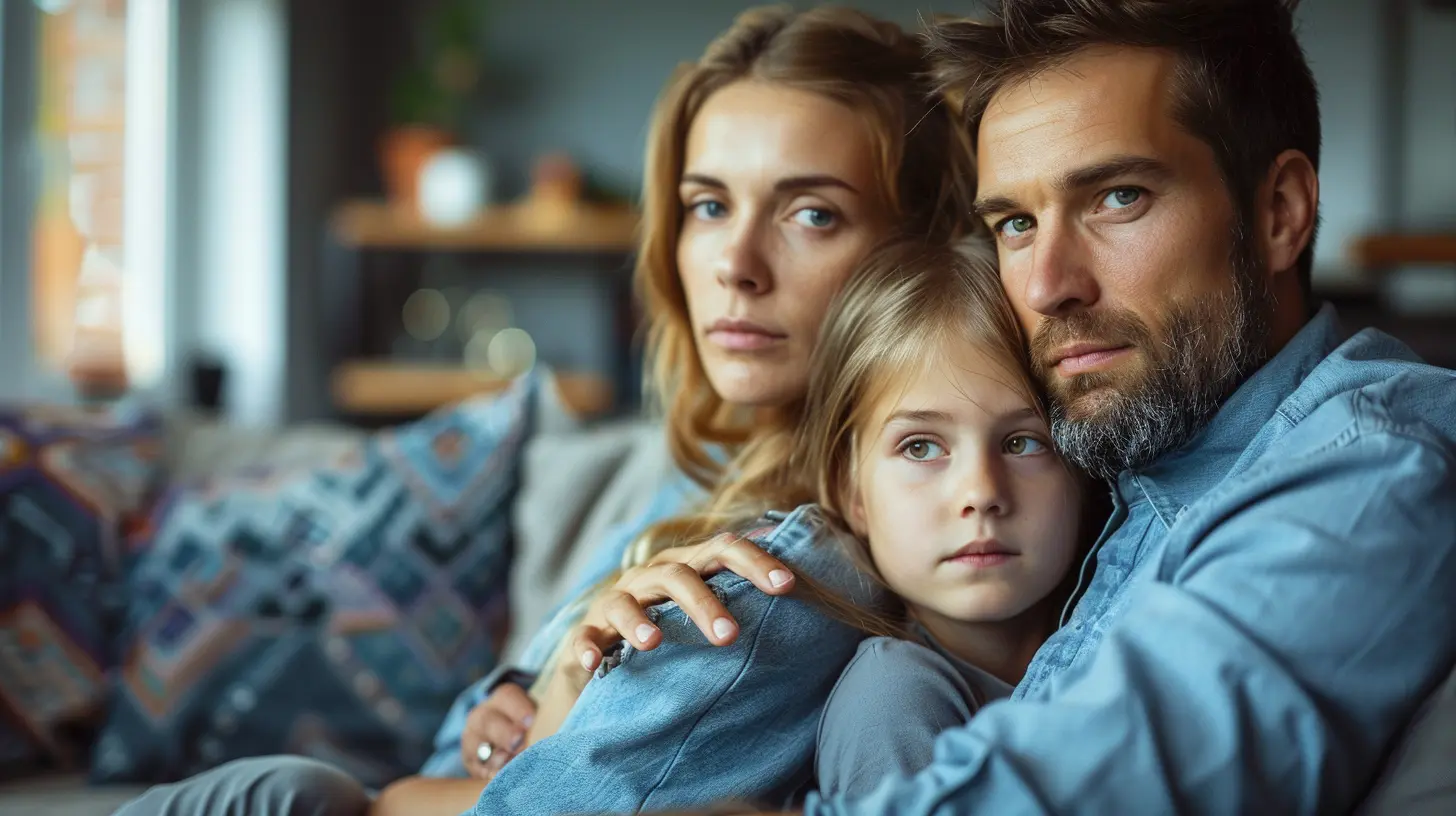
The Family System: When One Hurts, Everyone Feels It
Families are like ecosystems. Change one part, and it affects the whole. So when a parent has PTSD, it often shifts the family dynamic in profound ways.1. Kids May Take On Adult Roles
In families with a parent who struggles emotionally, children sometimes step into caregiving roles—emotionally or physically. This "parentification" can rob them of their childhood. They might try to keep the peace, suppress their own needs, or become the emotional anchor for their parent. That's a lot of pressure for tiny shoulders.2. Partners Feel the Strain
If there’s another parent or partner in the picture, they often take on more responsibilities—managing the household, buffering the children, or dealing with their own emotional fallout. It can create resentment or burnout. They may feel like they're parenting two people instead of co-parenting.3. Communication Breaks Down
When PTSD is involved, communication often becomes strained or shuts down altogether. Misunderstandings become the norm. Family members might stop expressing emotions, bottling them up to avoid conflict or pain. But we all know what happens to bottled emotions—eventually, they explode.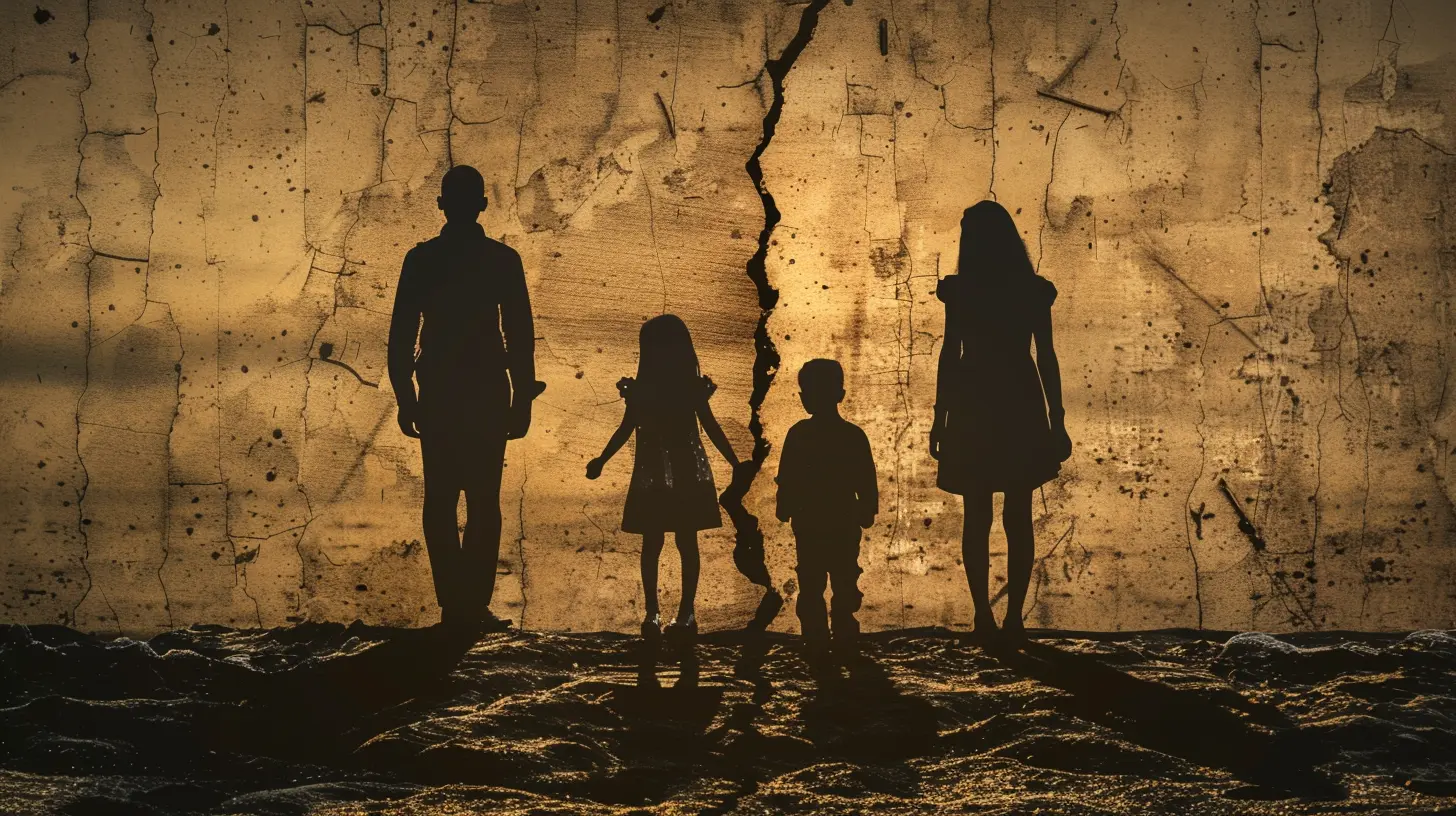
The Effects of PTSD on Children
Children of parents with PTSD often feel like they're living in a minefield. They may not understand what PTSD is, but they feel the effects deeply.Emotional Effects
- Anxiety and hypervigilance- Low self-esteem
- Shame and guilt (often misplaced)
- Difficulty trusting others
Behavioral Effects
- Acting out at school or home- Withdrawal or isolation
- Becoming the "overachiever" or "fixer"
- Fear of abandonment
It’s important to recognize that kids are resilient—but they also need support, validation, and tools to make sense of the chaos around them.
Healing Is Possible: Strategies for PTSD-Impacted Families
Here’s the good news: PTSD doesn’t have to define your parenting or doom your family. While it’s a serious condition, there are powerful, transformative steps you can take to heal—not just yourself, but your relationships too.1. Seek Professional Help (There’s No Shame in It)
Therapy works. Whether it’s individual therapy (like EMDR or Cognitive Processing Therapy) or family therapy, getting help is the cornerstone of healing. Therapy can help you process trauma, reduce symptoms, and build healthier patterns of relating to your loved ones.Pro tip: Look for therapists who specialize in trauma or PTSD. They're the guides who know the terrain.
2. Open the Lines of Communication
Start small, stay honest, and keep it age-appropriate.Let your kids know that sometimes grown-ups have big feelings or go through hard things—but that it’s not their fault. Validate their experiences. Let them ask questions. The goal isn’t to be the "perfect parent," but a real one.
Even saying, “I’m sorry I lost my temper earlier. I was feeling overwhelmed, but it wasn’t about you,” can go a long way in repairing trust.
3. Establish Routines and Predictability
When the inside world feels out of control, structure provides a lifeline.Kids thrive on routine. Predictability helps them feel safe, especially when things at an emotional level may be confusing or chaotic. Try to maintain consistency with meals, bedtime, and daily rituals like reading together or talking about your day.
Think of routines as the emotional scaffolding of the house.
4. Practice Self-Compassion
This one’s big.If you’re a parent with PTSD, you’re probably your own worst critic. You see every misstep, every meltdown, every missed moment. But beating yourself up doesn’t help you—or your family—grow.
Try this instead: talk to yourself like you would a friend. Gentle. Encouraging. Forgiving. Healing starts with grace.
5. Build a Support System
No one should go through PTSD—or parenting—alone.Find your circle. Maybe it’s a support group. Maybe it’s a couple of close friends who “get it.” Maybe it’s online communities or faith-based support. Whatever it looks like, don’t isolate.
Connection is one of the most powerful antidotes to trauma.
A Final Word: There’s Hope
Yes, parenting with PTSD is hard. It’s complex, exhausting, and sometimes heartbreaking. But it’s also courageous beyond words.Every time you try again, every time you apologize after a blow-up, every therapy session you show up to, every bedtime story you read even when your mind is racing—you’re proving that healing is not only possible but already happening.
Families affected by PTSD can still love fiercely, grow together, and even become stronger through shared challenges.
You’re not broken. You’re human. And you’re doing better than you think.
Resources That Can Help
Here are a few places to start if you're ready to seek help or build more skills:- National Center for PTSD (ptsd.va.gov)
- Child Mind Institute (childmind.org)
- Postpartum Support International (postpartum.net)
- The Mighty – Real stories by people living with PTSD and parenting
- Therapy Apps like BetterHelp or Talkspace (especially helpful for busy parents
all images in this post were generated using AI tools
Category:
Post Traumatic Stress DisorderAuthor:

Janet Conrad
Discussion
rate this article
1 comments
Kiera Lewis
This article highlights an important yet often overlooked aspect of PTSD. Understanding how trauma can affect parenting and family dynamics is crucial. By fostering awareness and providing support, families can navigate these challenges together. Open communication and empathy are key to healing and maintaining strong relationships.
July 12, 2026 at 4:45 PM
Janet Conrad
Thank you for your thoughtful insight. I'm glad you found the article relevant. Open communication truly is essential for healing and support within families facing these challenges.