The Importance of Teaching Emotional Regulation to Students with Learning Disabilities
4 July 2026
Ever watched a child struggle with emotions, frustration bubbling to the surface like an overflowing soda bottle? Now imagine that same struggle amplified by learning disabilities. Tough, right? Teaching emotional regulation to students with learning disabilities isn’t just beneficial—it’s essential.
These kids face unique challenges that can leave them feeling overwhelmed, frustrated, and misunderstood. But with the right support, they can develop the emotional skills needed to navigate the complex world around them. So, why does emotional regulation matter so much, and how can we effectively teach it? Let’s dive in!
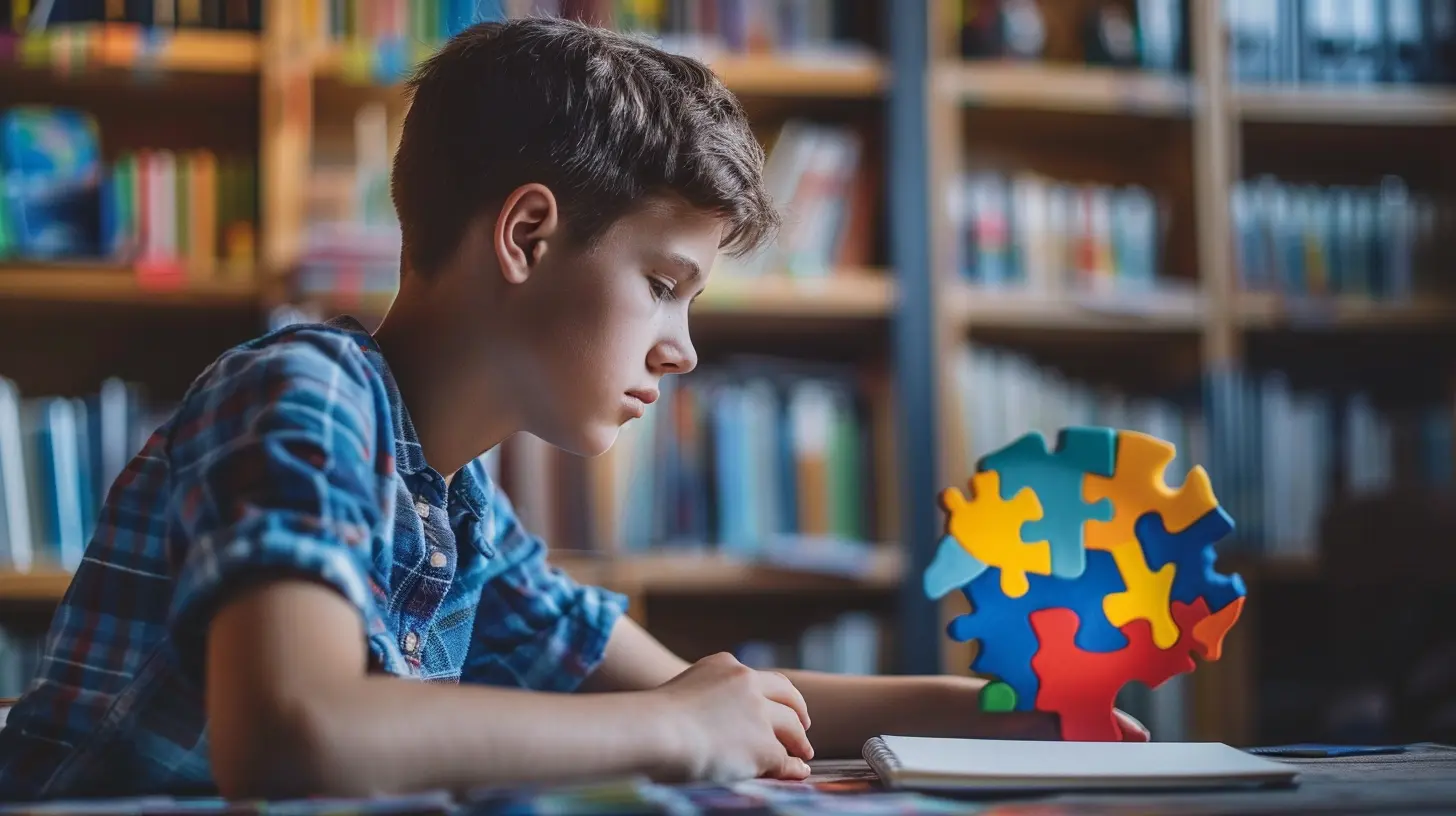
What Is Emotional Regulation?
Before we get into the nitty-gritty, let’s clarify what emotional regulation actually means.Emotional regulation is the ability to recognize, understand, and manage emotions in a healthy way. It’s what helps us stay calm during stressful situations, manage frustration, and respond appropriately to challenges.
For students with learning disabilities—who often experience frustration and anxiety more intensely—developing this skill is even more crucial. Without it, they may struggle academically, socially, and even emotionally, leading to feelings of isolation or low self-esteem.
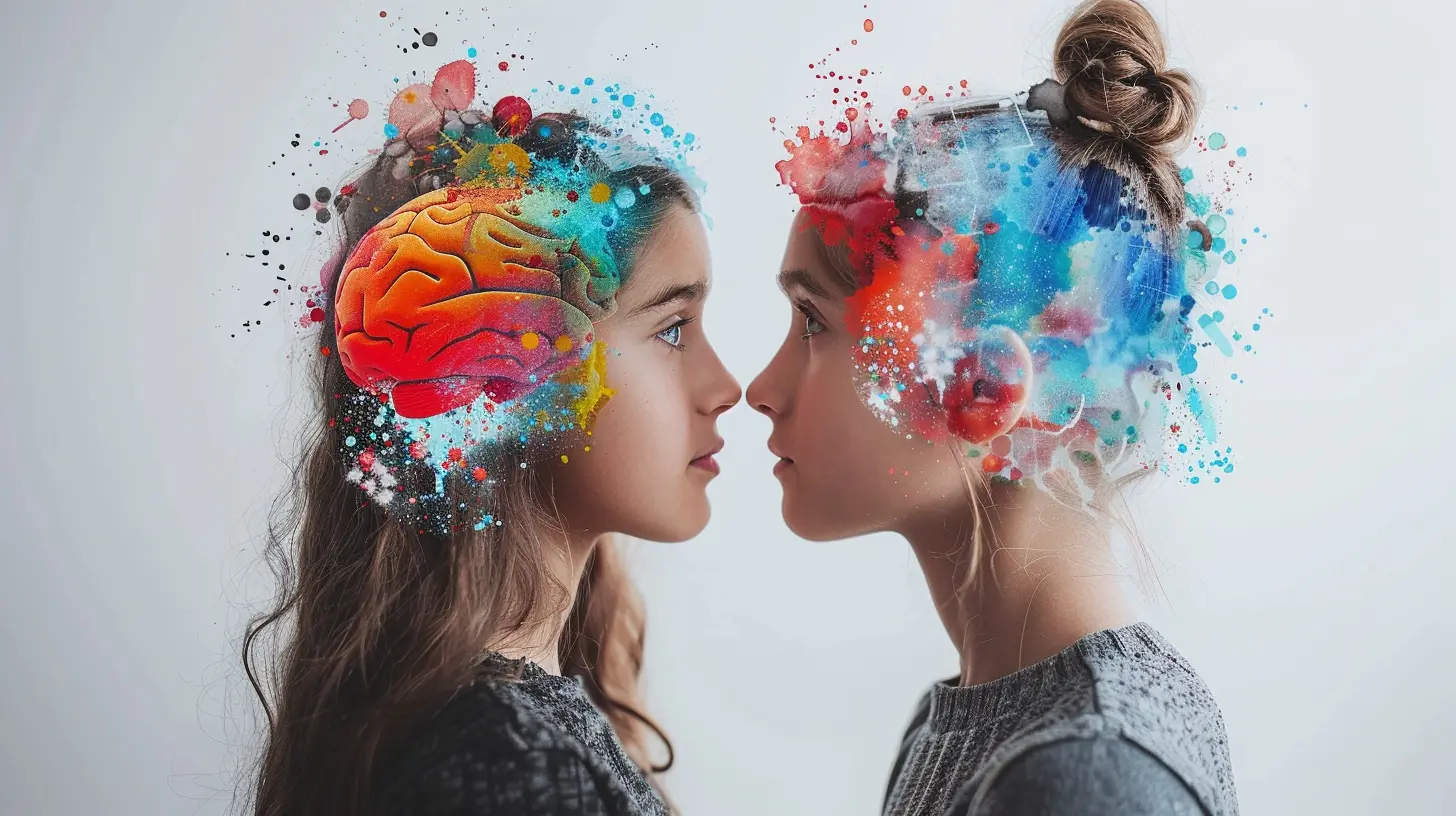
Why Emotional Regulation Matters for Students with Learning Disabilities
1. Boosts Academic Success
Imagine trying to focus on a math problem while feeling overwhelmed with frustration. Not easy, right? When students struggle to regulate their emotions, learning becomes an uphill battle. Emotional outbursts, anxiety, and frustration can disrupt their ability to concentrate and absorb new information.Helping them develop emotional regulation skills means they can better manage stress, stay engaged in learning, and tackle academic challenges with more confidence.
2. Improves Social Interactions
Kids with learning disabilities often struggle with social interactions. Maybe they get frustrated when they can’t keep up with a fast-paced conversation or feel left out in group activities. Emotional regulation helps them navigate these social situations more smoothly.By understanding their emotions, they can react appropriately instead of lashing out in anger or withdrawing from interactions. This can lead to stronger friendships and a greater sense of belonging.
3. Reduces Anxiety and Depression
Frustration and repeated academic struggles can take a toll on mental health. Many students with learning disabilities experience anxiety, low self-esteem, or even depression. Teaching emotional regulation provides them with tools to cope with these feelings instead of becoming overwhelmed by them.When they learn to manage emotions, they gain a sense of control over their experiences, reducing feelings of helplessness and boosting overall well-being.
4. Encourages Independence and Resilience
Life is full of setbacks, and emotional regulation is key to bouncing back. Teaching students how to handle disappointment, frustration, and stress prepares them for real-world challenges. Instead of giving up when things get tough, they learn to persevere and find solutions.This resilience is an invaluable skill that will serve them well beyond the classroom. 
Strategies for Teaching Emotional Regulation
Now that we know why emotional regulation is so important, let’s talk about how to teach it effectively.1. Model Emotional Regulation
Kids learn a lot by watching adults. If they see teachers and caregivers handling emotions in a calm and controlled way, they’re more likely to mimic those behaviors.For example, if a student is struggling, a teacher could say, “I can see you’re feeling frustrated right now. Let’s take a deep breath together and figure out how to move forward.” This simple act teaches kids that emotions are manageable and not something to fear.
2. Teach Emotional Awareness
Before kids can regulate their emotions, they need to recognize and understand them. One way to do this is by using an “emotional check-in” at the start of the day.Teachers can ask students how they feel, using tools like:
- Emotion Charts (pictures of different emotions to point to)
- Feelings Journals (a space to write or draw their emotions)
- "How Do You Feel?" Discussions (verbal check-ins)
Naming and identifying emotions gives students the vocabulary they need to express themselves instead of acting out.
3. Use Breathing and Relaxation Techniques
Deep breaths can do wonders. Teaching students simple breathing exercises can help them calm down during stressful moments.Try techniques like:
- Box Breathing (inhale for four seconds, hold for four, exhale for four, hold for four)
- 5-4-3-2-1 Grounding (listing things they can see, hear, touch, smell, and taste)
- Progressive Muscle Relaxation (tensing and relaxing different muscle groups)
These exercises give kids a way to reset when emotions start to spiral.
4. Encourage Problem-Solving Skills
Instead of reacting impulsively to challenges, students should learn how to think through problems logically.Encourage them to ask:
- What am I feeling right now?
- What’s causing this feeling?
- What can I do to handle this situation in a positive way?
Simple role-playing scenarios can help them practice problem-solving in a safe and structured way.
5. Use Visual Supports
Some students with learning disabilities struggle with verbal instructions, so visual aids can be a game-changer.Try using:
- Emotion Thermometers (to help students gauge their emotional intensity)
- Calm Down Cards (with pictures of coping strategies like deep breathing, taking a break, or squeezing a stress ball)
- Visual Schedules (to reduce anxiety about what’s coming next)
When emotions run high, having a visual reminder of coping strategies can make all the difference.
6. Practice Mindfulness and Self-Reflection
Mindfulness isn’t just for adults—it can be a powerful tool for kids, too! Encouraging students to take a few quiet moments to focus on the present can help them regulate emotions.Simple mindfulness activities include:
- Listening to calming music
- Closing their eyes and focusing on their breathing
- Engaging in guided meditation
Self-reflection also plays a huge role. After an emotional moment, discussing what happened and what could be done differently next time can reinforce emotional regulation skills.
7. Create a Safe and Supportive Environment
Lastly, fostering a classroom environment where students feel safe to express their emotions without fear of punishment or ridicule is crucial.Encourage open communication, validate their emotions, and offer support when needed. A simple, “I see you’re upset, and that’s okay. Let’s figure out a way to help,” can make a child feel heard and respected. 
Final Thoughts
Teaching emotional regulation to students with learning disabilities isn’t just another “nice-to-have” skill—it’s a must. These kids already face academic and social hurdles; giving them tools to manage emotions helps level the playing field.By modeling emotional regulation, teaching self-awareness, and providing coping strategies, we empower these students to navigate the world with confidence. After all, emotions are a part of life, but learning to handle them? That’s where the real magic happens.
So, let’s make emotional regulation a priority. Because when kids learn how to manage their emotions, they don’t just survive—they thrive.
all images in this post were generated using AI tools
Category:
Learning DisabilitiesAuthor:

Janet Conrad
Discussion
rate this article
1 comments
Zinnia Elliott
Great insights! Emotional regulation is crucial for success.
July 20, 2026 at 2:48 AM