The Intersection of Autism and Learning Disabilities: What to Know
18 January 2026
Let’s be real for a second—the brain is wild. It’s this dazzling, complicated supercomputer that doesn’t come with a manual. Now, throw in autism and learning disabilities? Things get even more interesting. If you're a parent, teacher, caregiver, or just someone who wants to better understand people with neurological differences, this one’s for you.
In this article, we’re breaking down the fascinating crossover between autism and learning disabilities. It’s a topic that’s often misunderstood, sometimes stigmatized, and woefully under-discussed. So grab your coffee (or whatever keeps you going), and let’s unpack this together.
What Do We Mean By Autism?
First off, autism isn’t a single thing—it’s a spectrum. Think of it less like a light switch you flip on or off, and more like a dimmer that adjusts in all sorts of directions.Autism Spectrum Disorder (ASD) is a neurodevelopmental condition. People with autism might process things differently—like communication, social interactions, behaviors, and sensory input. You might know someone who doesn't like eye contact or finds crowds overwhelming. That doesn't make them less capable—it just means they experience the world in their own way.
Some folks with autism are nonverbal. Others are highly verbal but might struggle with back-and-forth conversations. It's not better or worse—just different.
What Are Learning Disabilities?
Learning disabilities (or LDs) are like road bumps that make learning certain skills trickier—reading, writing, math, or even memory. They're not about intelligence. In fact, many folks with LDs are sharp as a tack but have brains that process information in unique ways.Common learning disabilities include:
- Dyslexia (reading struggles)
- Dyscalculia (math difficulties)
- Dysgraphia (trouble with writing)
- Auditory processing disorder
- Nonverbal learning disabilities
And here's the twist: these can show up in people with autism or with no signs of autism at all.
So, Where Do Autism and Learning Disabilities Cross Paths?
Great question! Autism and learning disabilities are not the same things—but they do love to hang out together.Studies show that anywhere from 30% to 70% of individuals with autism also have a learning disability. That’s a pretty wide range, right? But it tells us one thing for sure—this overlap is far too common to ignore.
Here's where things get murky: sometimes symptoms of one can look like the other. For example, a child with autism might struggle with reading comprehension, not because they have dyslexia, but because they find figurative language confusing due to social-communication challenges.
It can take a whole team—speech therapists, psychologists, educators—to figure out what’s what.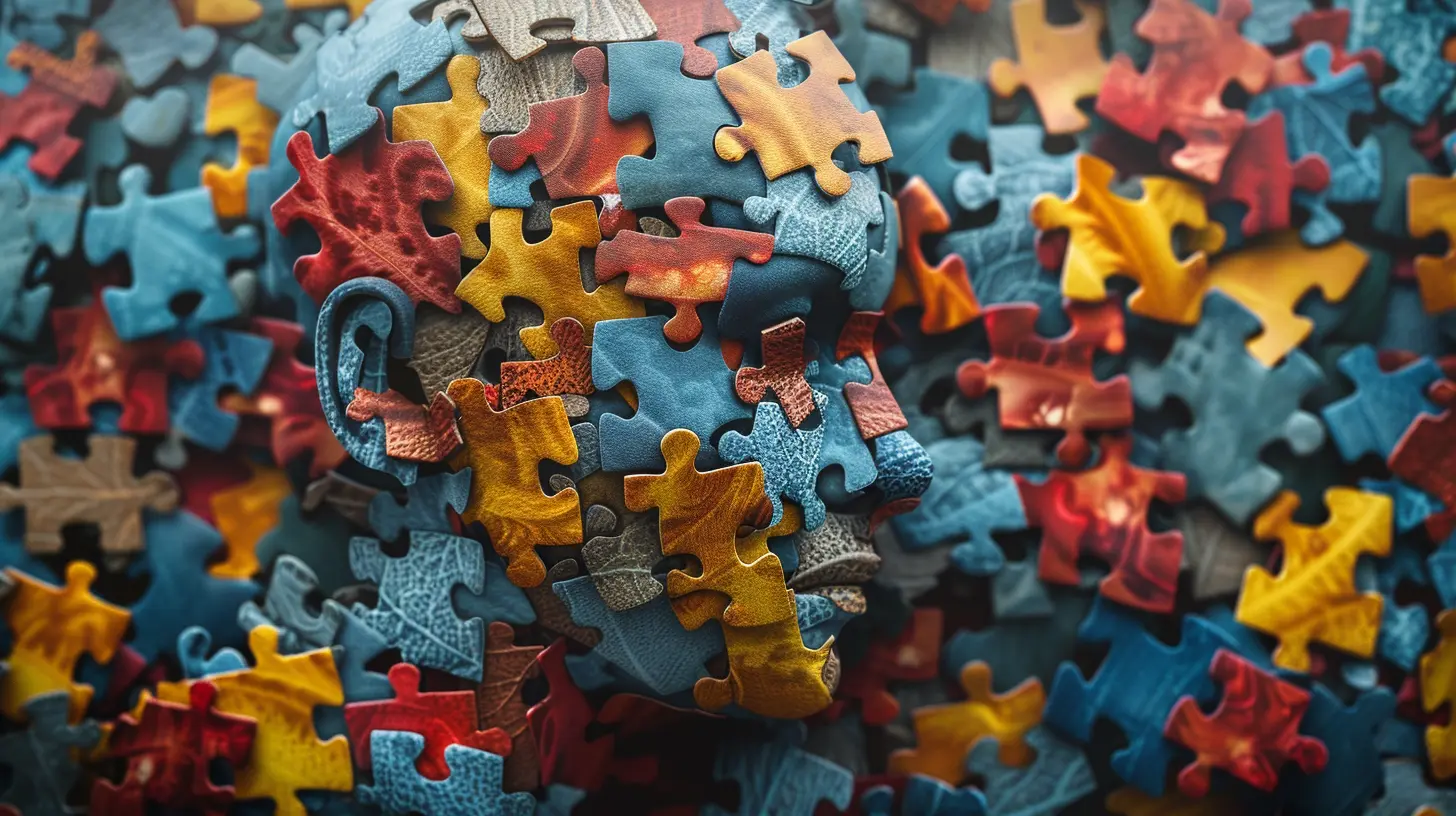
Double Trouble or Superpower Combo?
Having autism and a learning disability isn’t a “double whammy.” It’s more like having two different operating systems trying to coexist on one brain computer.Yes, it can be tough. But it’s also a combo that can bring out unique strengths. People with both conditions might see patterns others miss, have laser-sharp focus on things they love, and think creatively because their brains aren’t wired to follow the crowd.
Think of it like this: if everyone’s brain is a highway, individuals with autism and LDs might be on a scenic detour. Yeah, it takes longer. Yeah, there are bumps. But the view? Unmatched.
Common Challenges at the Intersection
Let’s not sugarcoat it—there are hurdles. Understanding the mix of autism and learning disabilities means being aware of the challenges that often tag along. Here are a few:1. Misdiagnosis or Late Diagnosis
Sometimes kids get labeled with one condition and the other is missed entirely. Maybe a child gets diagnosed with a learning disability, but their social struggles are brushed off as “quirkiness.” Or autism is diagnosed, and their trouble with writing is chalked up to that alone.That’s why it's crucial to dig deeper when red flags pop up in multiple areas.
2. Communication Breakdowns
Some individuals with autism already have trouble expressing themselves. Add in a learning disability that affects writing or reading? That can shut down communication even more—especially in school settings.Without proper tools and support, these kids often get frustrated, anxious, or misunderstood.
3. Social Isolation
Autism already creates a divide in how folks connect socially. Now, throw in a learning disability that interferes with school performance. This can lead to teasing, exclusion, or just feeling “different” all the time.No one deserves that. Not ever.
Strengths You Might Not See At First Glance
Let’s flip the script for a second. People at this intersection often have some seriously cool strengths:- Visual Thinkers: Many with autism thrive on seeing ideas in pictures. That can make them amazing at art, design, or even engineering. Add in unique learning strategies, and they can crush creative tasks.
- Pattern Recognition: Some individuals pick up on patterns the rest of us miss entirely. Whether it’s in music, numbers, or behavior, this gift is a huge asset.
- Intense Focus: When they love something? Game over. They’ll dive deeper than anyone else. That kind of passion can lead to expertise.
Just because learning and socializing look different doesn’t mean they’re absent. It just means we haven’t tuned in to the right frequency yet.
How Can We Support Kids and Adults at This Intersection?
Support doesn't mean fixing someone—it means helping them shine in their own way.Early Intervention Is Key
The earlier we identify challenges, the quicker we can offer support. Early childhood programs, speech therapy, occupational therapy, and specialized education plans are all rockstars at helping kids thrive.Individualized Education Programs (IEPs)
If a child qualifies, an IEP can help tailor their school experience to their needs. That might include more time for reading, assistive technology, or one-on-one support.Bonus? These plans also focus on strengths, so we’re not just addressing what’s "hard"—we’re amplifying what’s awesome.
Emotional Support Matters, Too
Academic help is great—but what about emotional resilience? These kids often know they're different. They feel it. Therapy, mentorship, and safe spaces where they can just be themselves? Huge.Don’t underestimate the power of feeling seen.
Tips for Parents Navigating the Journey
Being a parent of a child with both autism and a learning disability can feel like walking through a fog. You’re doing your best, you’re exhausted, and you often wonder if you’re getting it “right.”Here’s the deal: if you’re showing up and advocating, you’re already doing great. But let’s make your journey easier with these tips:
- Trust your gut. If something feels off, speak up. Push for evaluations and second opinions.
- Build a support team. You don’t have to do this alone. Teachers, therapists, doctors—they’re part of your village.
- Celebrate every win. Even small victories are worth a high five (or a dance party).
- Take care of yourself. Seriously, you can’t pour from an empty cup.
Let's Rethink What "Normal" Means
We live in a world that often prizes conformity—sit still, follow directions, tick the right boxes. But here’s the thing: some of the most brilliant, innovative, heartfelt people don’t fit any mold.Autism and learning disabilities aren’t glitches. They’re different wiring—neurodiverse brains that just speak a different language.
Instead of asking, “What’s wrong?” let’s ask, “What’s different?” And how can we help that difference thrive?
Final Thoughts
The intersection of autism and learning disabilities isn’t a detour. It’s just a different route to the same destination: self-understanding, growth, and success on one’s own terms.Sure, the road might be bumpy. But with the right supports, empathy, and a whole lot of patience, these individuals can live rich, fulfilling lives filled with curiosity, creativity, and courage.
And hey, maybe they’ll just end up teaching the rest of us a thing or two about what it really means to embrace who we are.
all images in this post were generated using AI tools
Category:
Learning DisabilitiesAuthor:

Janet Conrad
Discussion
rate this article
2 comments
April Banks
Great insights! Understanding this intersection can improve support for affected individuals.
February 2, 2026 at 3:22 AM
Janet Conrad
Thank you! I'm glad you found it helpful. It's crucial to raise awareness and enhance support for those navigating these challenges.
Zephyrae Wilkerson
This article beautifully highlights the often-overlooked connection between autism and learning disabilities. It’s a reminder that every individual’s journey is unique, and understanding these intersections can foster empathy and better support for those affected. Thank you!
January 18, 2026 at 3:24 PM
Janet Conrad
Thank you for your thoughtful comment! I’m glad you found the article meaningful and that it highlights the importance of understanding these unique journeys.