The Neuroscience Behind Mental Toughness: What We Know
31 May 2026
Ever wonder how some people manage to push through life’s toughest moments without falling apart, while others feel like they're constantly teetering on the edge? That, my friend, is what we call mental toughness. But here’s something really cool—it’s not magic, and it’s not some rare gift only the lucky ones are born with. Neuroscience is proving that mental toughness has a lot to do with our brain—and here’s the exciting part—it can be trained.
In this article, we’re going to break down the neuroscience behind mental toughness. We’ll explore what’s happening upstairs (in your brain, of course), how your brain responds to stress and pressure, and how you can harness this knowledge to become mentally tougher. Ready? Let’s dive into the brain like it’s the final level of your favorite video game.
What Is Mental Toughness Anyway?
Before diving into all the brainy stuff, let's get clear on what mental toughness even means. Mental toughness is your ability to stay focused, bounce back from failure, manage stress, and keep moving forward—even when you're tired, overwhelmed, or doubting yourself.Think about athletes who keep pushing beyond their limits, or entrepreneurs who fail time and time again but get up each morning hungry to try again. That grit? It’s not just willpower—it’s rooted in neuroscience.
How the Brain Builds Resilience
At the core of mental toughness is resilience—the ability to recover from setbacks and keep going. So, what’s happening in your brain when you bounce back from tough situations?1. The Prefrontal Cortex: Your Brain’s CEO
The prefrontal cortex is the part of your brain that helps with decision-making, self-control, and planning. When you're facing challenges, this part of your brain helps you pause, think rationally, and make better decisions instead of panicking or shutting down.Want to build more mental stamina? You have to train your prefrontal cortex. Think of it like going to the gym, but for your mind. Meditation, journaling, and even regular physical exercise engage this region and make it stronger over time.
2. The Amygdala: The Emotion Center
On the flip side, there’s the amygdala—a small almond-shaped part of your brain that handles emotions. It’s super alert to threats and usually the first to react when you’re stressed or scared. Great for survival, not so great for staying calm under pressure.When you're mentally tough, your prefrontal cortex actually regulates the amygdala. It says, “Hey, no need to freak out. We got this.” This back-and-forth communication is critical to staying cool and collected. And guess what? With enough practice, this relationship becomes stronger and more reliable.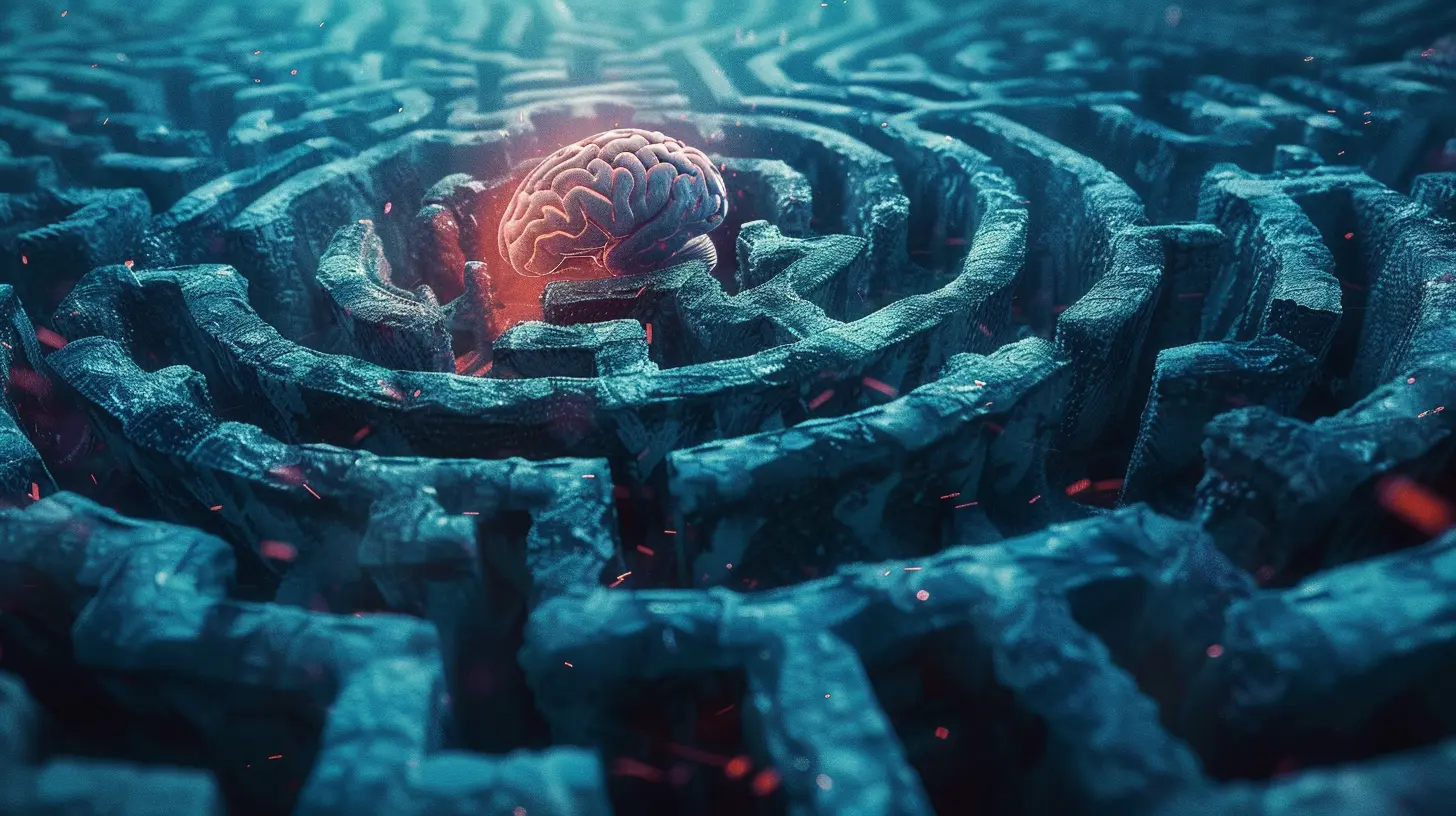
Neuroplasticity: Your Brain Can Change, Baby!
Here’s where things get super interesting. Your brain isn’t fixed. Thanks to something called neuroplasticity, your brain can rewire itself based on your thoughts, behaviors, and experiences. Mental toughness isn’t just a trait—it’s a trainable skill.Every time you choose to persevere instead of giving up, your brain builds new neural connections. Over time, those connections become stronger, making resilience almost second nature. So, yes—you can literally rewire your brain to become mentally tougher.
The Role of Stress: Friend or Foe?
This might surprise you—stress isn’t the enemy. In fact, a healthy amount of stress actually helps you grow stronger. It’s like lifting weights: the stress on your muscles helps them grow. Similarly, controlled psychological stress can build mental and emotional strength.Acute vs. Chronic Stress
- Acute stress is short-term. It’s that rush you feel before giving a speech or going on a first date. It can sharpen your focus and give you a burst of energy.- Chronic stress, on the other hand, is long-term and damaging. It messes with your sleep, your mood, and even weakens your immune system.
Mental toughness involves recognizing the difference and learning how to manage stress so it works for you, not against you.
How Mentally Tough Brains Differ
Researchers have used brain scans to look at how mentally tough individuals differ from the rest. Here’s what they’ve found:- Stronger connectivity between the prefrontal cortex and the amygdala, helping them regulate emotions better.
- More gray matter in areas responsible for self-regulation, like the anterior cingulate cortex (ACC).
- Quicker recovery from negative emotional stimuli, meaning they don't dwell on failure or criticism for as long.
It’s like having a mental reset button that works faster and better than average.
Training Mental Toughness: What Science Suggests
So now that you know what’s happening under the hood, let’s talk about how you can train your brain to be more resilient and gritty.1. Meditation and Mindfulness
Mindfulness isn’t just a trend—it’s a legit brain workout. Studies show it strengthens the prefrontal cortex and increases connectivity with the amygdala. Translation? You get better at handling stress without losing your cool.Start with just 5 minutes a day. Focus on your breath. Your mind will wander (because that’s what minds do), but bringing your attention back is the real workout.
2. Embrace Discomfort
Here's a fun one: do hard things on purpose. Wake up early. Take cold showers. Speak in public. When you voluntarily do things that challenge you, your brain adapts. You’re literally training it to become more comfortable with being uncomfortable.3. Practice Gratitude
Sounds cheesy, but gratitude shifts your brain activity toward positivity. This lowers cortisol (the stress hormone), improves sleep, and boosts emotional resilience.Keep a gratitude journal. Every night, jot down three things you’re thankful for. Simple, right? But incredibly powerful.
4. Visualize Success
Elite athletes do this all the time. When you imagine yourself succeeding under pressure, your brain gets used to the idea. This mental rehearsal creates actual changes in neural pathways, so when you're in the real situation, your brain says, “Been there, done that.”5. Get Physical
Exercise doesn’t just make your body strong—it toughens up your brain too. It increases dopamine and serotonin, improves sleep, and reduces anxiety. All of this contributes to better emotional regulation and mental stamina.Reframing Failure and Adversity
This part is HUGE.Mentally tough people don’t avoid failure—they face it head-on. Why? Because they know failure isn't a dead end—it’s data. It’s feedback. It’s an opportunity to grow. And neuroscience backs this up.
When you reframe setbacks as learning experiences, you activate the parts of your brain associated with growth and problem-solving, rather than shame and avoidance. That simple mindset shift changes everything.
The Power of Belief and Self-Talk
Let’s talk self-talk for a sec. That little voice in your head? It matters more than you think.Positive self-talk activates reward centers in the brain and helps you regulate emotions better. People who believe they can develop mental toughness are more likely to actually do it. Why? Because their brains align with that belief and begin reinforcing it with action.
So talk to yourself like you would a close friend. Cut the harsh criticism and replace it with encouragement. It’s not corny—it’s science.
Mental Toughness in Everyday Life
You don’t have to climb Mount Everest or run ultra-marathons to use mental toughness. It’s relevant in everyday moments too:- Having a difficult conversation you’ve been avoiding.
- Pushing through a long workday without losing your cool.
- Managing parenting stress without snapping.
- Committing to personal goals, even when motivation dips.
Every time you choose to respond rather than react, to keep going rather than quit—you’re flexing that mental muscle.
Final Thoughts: You’re More Resilient Than You Think
Here’s the truth: mental toughness isn’t reserved for the elite. You have everything it takes—right now—to strengthen your brain and build resilience. The science is clear: your brain is adaptable, and your potential is far greater than you’ve been led to believe.So, next time life throws you a curveball (and trust me, it will), remember this: you have the wiring to handle it. You just need to train it. Be patient, be consistent, and don’t forget to be kind to yourself in the process.
You got this.
all images in this post were generated using AI tools
Category:
Mental ToughnessAuthor:

Janet Conrad
Discussion
rate this article
1 comments
Maya Lawrence
This article compellingly explores how brain structure and chemistry influence mental toughness. By examining neuroplasticity and the role of stress hormones, it reveals practical insights into building resilience. The science presented provides a valuable framework for both individuals and mental health professionals.
June 24, 2026 at 4:24 PM