The Role of Neuroplasticity in Overcoming Learning Disabilities
3 April 2026
When we think about the brain, most of us imagine it as this complex but static organ that controls our thoughts, behaviors, and actions. However, science has shown that our brains are far more adaptable and flexible than previously believed. This adaptability is known as neuroplasticity, and it plays a pivotal role in helping individuals overcome learning disabilities. So, what exactly is neuroplasticity, and how does it work to rewire the brain to overcome challenges, especially when it comes to learning?
In this article, we’ll break down the concept of neuroplasticity, explore its function in overcoming learning disabilities, and discuss how it can be harnessed to improve the lives of individuals facing these challenges. Whether you're a parent, educator, or someone living with a learning disability, understanding neuroplasticity can provide hope and practical strategies for improvement.
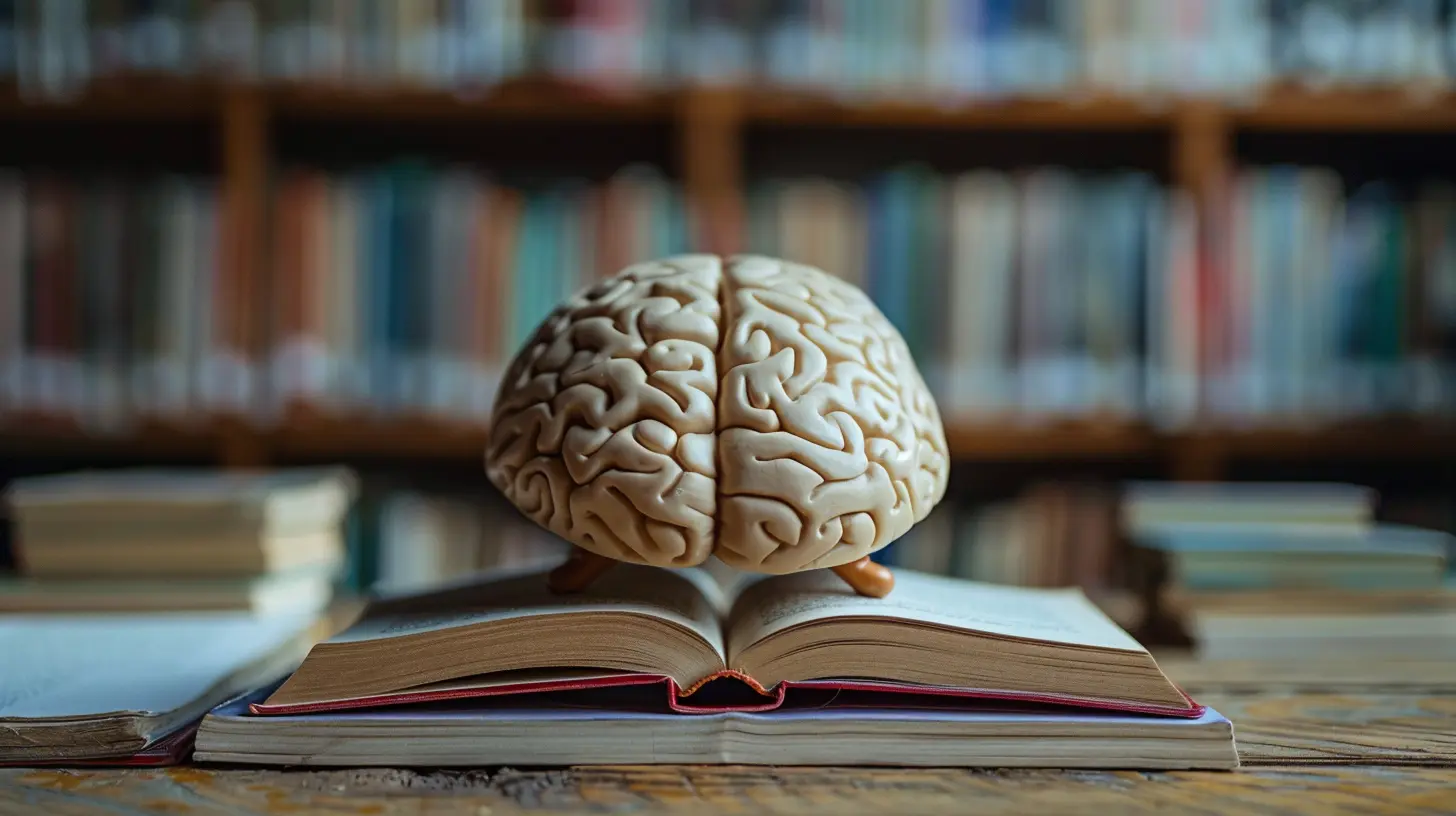
What is Neuroplasticity?
Neuroplasticity, often referred to as brain plasticity, is the brain’s ability to reorganize itself by forming new neural connections throughout life. In simple terms, it’s the brain's way of adapting to new experiences, learning new things, or recovering from injury. Imagine your brain as a network of highways. When one road is blocked or inefficient, the brain has the ability to create a detour, forming new pathways that help you get to your destination in a different, perhaps more efficient way.Historically, scientists believed that the brain was fixed after childhood, meaning that once you reached a certain age, your brain stopped growing and adapting. However, recent research has flipped this idea on its head. Neuroplasticity shows us that the brain is capable of change well into adulthood. This is not only amazing but also offers a world of possibilities for individuals with learning disabilities.
Different Types of Neuroplasticity
Before we dive into how neuroplasticity helps with learning disabilities, it’s important to understand that there are two types of neuroplasticity:1. Structural Neuroplasticity: This refers to the brain’s ability to physically change its structure in response to learning, experience, or environmental changes. For example, when you practice a new skill, like playing the piano, the brain strengthens the neural pathways that are involved in that skill.
2. Functional Neuroplasticity: This type of plasticity allows the brain to move functions from one area to another. This is especially important when someone experiences brain damage or injury. For instance, if one part of the brain is damaged, another part can take over the functions that were lost, essentially “re-wiring” the brain to compensate for the damage.
Why is Neuroplasticity Important for Learning?
Learning, whether it’s academic or skill-based, involves forming new neural connections or strengthening existing ones. Every time you learn something new, your brain is making adjustments. It’s like going to the gym, but for your brain! The more you practice or engage with a particular task, the stronger the neural pathways related to that task become, and the easier it gets over time.Now, imagine someone with a learning disability. Their brain may have trouble forming these neural connections in the same way as someone without a disability. This is where neuroplasticity comes into play. By understanding how neuroplasticity works, we can develop strategies to help individuals with learning disabilities form these connections in a different way, allowing them to overcome their challenges.
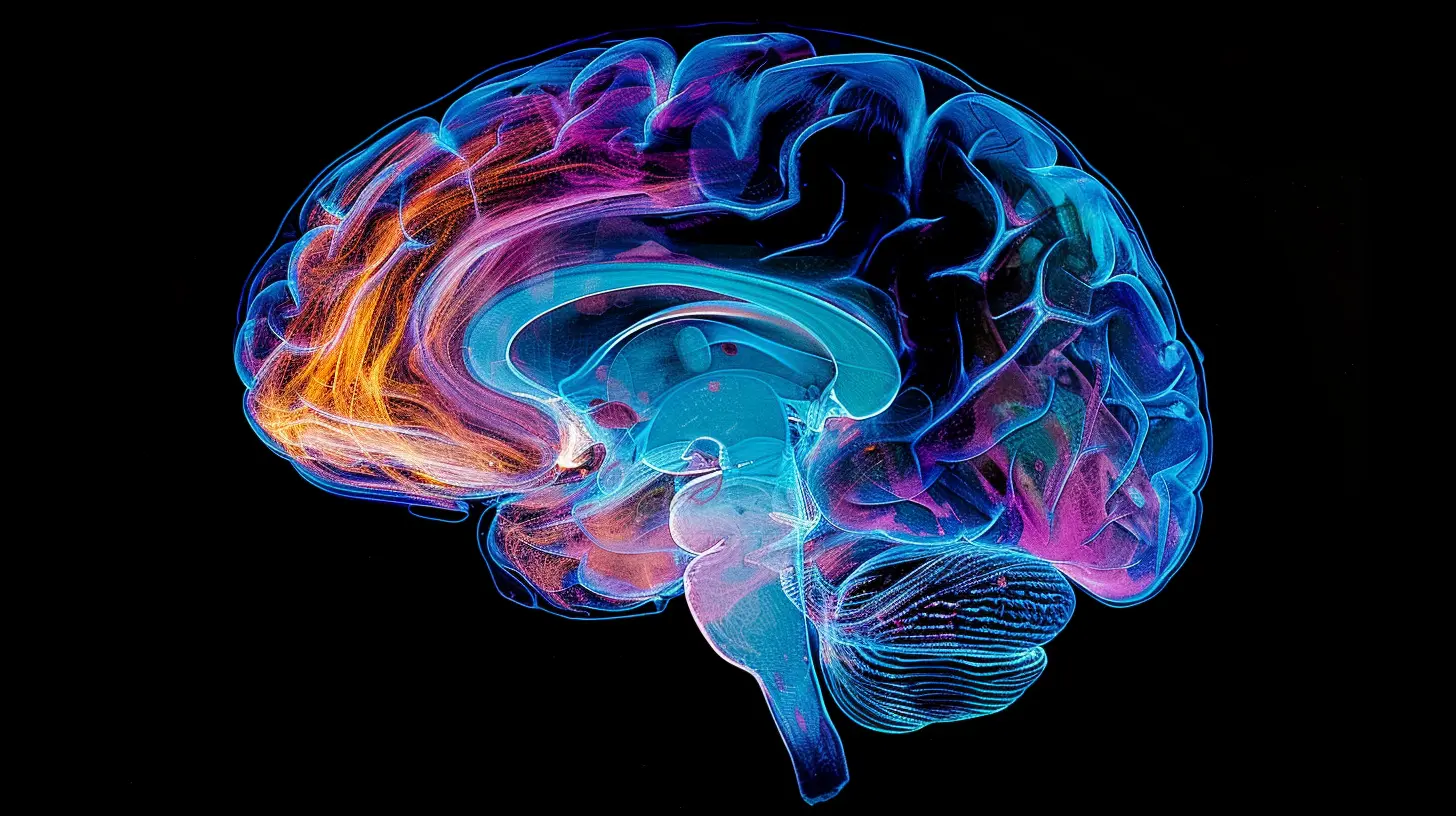
How Learning Disabilities Affect the Brain
Learning disabilities are neurological disorders that affect the brain's ability to process information efficiently. They can impact areas such as reading, writing, math, or even focus and organization. Common learning disabilities include dyslexia, dysgraphia, ADHD, and dyscalculia. These conditions don’t reflect a lack of intelligence or effort but instead result from differences in how the brain processes information.For example, in dyslexia, the brain has difficulty processing the sounds of language. This makes reading and spelling particularly challenging. However, neuroplasticity offers a silver lining. With the right interventions and strategies, the brain can be trained to process information in new ways, potentially overcoming the difficulties posed by the learning disability.
The Brain's Plastic Nature in Dyslexia
Dyslexia, one of the most common learning disabilities, provides a great example of the brain’s plastic nature. In a dyslexic brain, the areas responsible for reading and language processing may not function as efficiently as they should. This doesn’t mean that the individual can never learn to read well. Through targeted interventions, like phonics-based reading programs, the brain can "learn" how to process language differently, utilizing other neural networks to compensate for the inefficiencies.In some cases, brain scans of dyslexic individuals who undergo intensive reading training show increased activity in areas of the brain that weren't originally involved in reading. This is neuroplasticity in action—new neural pathways are being forged to help improve reading skills.

Neuroplasticity in Action: Overcoming Learning Disabilities
So, how can neuroplasticity actually help someone overcome a learning disability? Let’s explore a few ways.1. Targeted Cognitive Training
Cognitive training programs are designed to improve neuroplasticity by helping the brain develop new pathways to process information more effectively. These programs often involve repetitive tasks and exercises that challenge the affected areas of the brain. Over time, the brain adapts and forms new connections, making it easier for the person to process information.For instance, individuals with dyslexia might engage in reading programs that focus on phonemic awareness (the ability to hear and manipulate sounds in words). These exercises stimulate the brain to develop new pathways for understanding and processing language, eventually helping the person improve their reading skills.
2. Multisensory Learning Approaches
One key insight from neuroplasticity research is that the brain processes information more effectively when multiple senses are involved. For individuals with learning disabilities, multisensory learning approaches can be especially beneficial. These programs engage sight, sound, touch, and sometimes movement simultaneously, helping the brain form stronger, more durable connections.For example, a child struggling with math might benefit from a program that incorporates visual aids (like charts or diagrams), auditory explanations, and hands-on activities. By engaging multiple senses, the brain is more likely to retain the information and build new, helpful neural connections.
3. Mindfulness and Focus Training
Interestingly, mindfulness practices can also stimulate neuroplasticity. Mindfulness helps individuals focus their attention and improves their cognitive flexibility. For those with ADHD, for example, mindfulness training can help rewire the brain to improve focus and reduce impulsivity.Studies have shown that regular mindfulness practice can change the structure of the brain by increasing gray matter in areas related to learning, memory, and self-regulation. This means that mindfulness might be a useful tool for individuals with learning disabilities who struggle with attention and focus issues.
4. Physical Exercise
We often think of exercise as beneficial for the body, but it turns out that physical activity is great for the brain, too! Exercise promotes neuroplasticity by increasing the production of brain-derived neurotrophic factor (BDNF), a protein that supports the growth of new neurons and synaptic connections.For individuals with learning disabilities, incorporating regular physical activity into their routine can enhance cognitive function and support the brain’s ability to adapt and learn. It’s not just about hitting the gym—simple activities like walking, yoga, or even dancing can help improve brain function.

The Role of Early Intervention
While neuroplasticity offers hope for individuals of all ages, early intervention is particularly crucial when it comes to learning disabilities. The brain is most plastic during childhood, which means that targeted interventions during this period can have a profound impact.That said, neuroplasticity doesn’t stop at a certain age. Adults can also benefit from cognitive training and other interventions designed to stimulate the brain’s ability to change. So, whether someone is diagnosed with a learning disability as a child or later in life, there’s always room for improvement.
Practical Tips for Harnessing Neuroplasticity
If you're looking to harness the power of neuroplasticity to overcome learning disabilities—whether for yourself, a child, or a student—here are a few practical tips:- Consistency is Key: Neuroplasticity relies on repetition. Regularly practicing a skill or engaging in targeted cognitive exercises helps reinforce the new neural connections that are being formed.
- Incorporate Multisensory Learning: Engage multiple senses when teaching or learning new information. This approach helps the brain form stronger, more durable connections.
- Stay Active: Physical exercise supports neuroplasticity by promoting the growth of new neurons and synaptic connections. Incorporating regular physical activity into your routine can boost cognitive function.
- Mindfulness Matters: Practicing mindfulness can help improve focus and cognitive flexibility, which is especially helpful for individuals with attention-related learning disabilities.
- Celebrate Small Wins: Overcoming a learning disability is a marathon, not a sprint. Celebrate incremental progress along the way to stay motivated.
Conclusion: A New Hope for Learning Disabilities
Neuroplasticity offers a beacon of hope for those with learning disabilities. It challenges the outdated notion that learning disabilities are fixed and unchangeable. Instead, neuroplasticity shows us that the brain is capable of growth, adaptation, and healing. With the right interventions, strategies, and support, individuals with learning disabilities can form new neural connections that allow them to overcome their challenges and unlock their full potential.Whether through cognitive training, multisensory learning approaches, or even mindfulness and physical exercise, neuroplasticity provides a way forward. And the best part? It’s never too late to start.
all images in this post were generated using AI tools
Category:
Learning DisabilitiesAuthor:

Janet Conrad
Discussion
rate this article
2 comments
Paige McNeely
This article effectively highlights neuroplasticity's transformative potential in addressing learning disabilities. By showcasing brain adaptability, it inspires hope and encourages tailored interventions, emphasizing the need for individualized learning approaches.
April 6, 2026 at 2:58 PM
Janet Conrad
Thank you for your thoughtful comment! I'm glad you found the article inspiring and that it highlights the importance of personalized interventions.
Ivan Harper
This article compellingly highlights neuroplasticity's potential in addressing learning disabilities. By illustrating the brain's adaptability, it offers hope for tailored interventions that can empower individuals, fostering resilience and enhancing their learning capabilities through targeted strategies.
April 6, 2026 at 4:13 AM
Janet Conrad
I'm glad you found it compelling! Neuroplasticity truly offers exciting possibilities for personalized learning strategies.