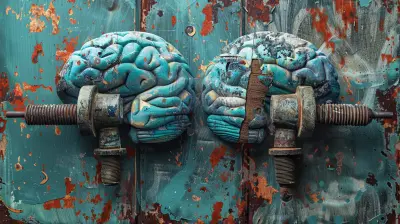
The Role of Nutrition and Exercise in PTSD Management
29 July 2026
Living with post-traumatic stress disorder (PTSD) can feel like carrying an invisible weight. It affects the mind, body, and spirit, making everyday life a challenge. While therapy and medication are often the go-to treatments, many people overlook two incredibly powerful tools: nutrition and exercise.
Believe it or not, what you eat and how you move can play a huge role in managing PTSD symptoms. Your brain and body are connected, meaning the foods you consume and the physical activity you engage in directly impact your mental well-being. So, let’s dive into how simple lifestyle changes can help ease the effects of PTSD and bring more balance into your life. 
How Nutrition Affects PTSD Symptoms
We’ve all heard the saying, "You are what you eat." While it might sound cliché, there's a lot of truth to it—especially when it comes to mental health.When dealing with PTSD, your brain is constantly in fight-or-flight mode. This can lead to imbalances in brain chemicals, increased inflammation, and higher stress levels. The good news? The right nutrition can help restore balance and improve your emotional resilience.
Best Foods for PTSD Management
Let’s take a look at some brain-boosting foods that can help with PTSD symptoms:🥑 Healthy Fats for Brain Function
Healthy fats, like those found in avocados, nuts, seeds, and olive oil, support brain health. Omega-3 fatty acids (found in salmon, flaxseeds, and walnuts) help reduce inflammation and improve mood. In fact, studies show that omega-3s can help lower anxiety and depression—a major win for those dealing with PTSD!🍓 Antioxidant-Rich Fruits and Vegetables
PTSD increases oxidative stress in the body, which can contribute to brain fog, fatigue, and mood swings. Eating a variety of colorful fruits and vegetables—like berries, spinach, kale, and carrots—can provide antioxidants that help combat stress. Think of them as tiny warriors fighting damage inside your brain!🍗 Protein for Neurotransmitter Balance
Your brain relies on neurotransmitters (like serotonin and dopamine) to regulate mood. Foods rich in lean proteins—such as chicken, turkey, eggs, and legumes—contain amino acids that help produce these neurotransmitters. Ever wondered why turkey makes you sleepy after Thanksgiving dinner? That’s tryptophan, an amino acid that boosts serotonin and helps you feel calmer.🍚 Complex Carbohydrates for Stable Energy
Refined carbs (think white bread, pastries, and sugary snacks) cause energy crashes and mood swings. Instead, opt for whole grains like quinoa, brown rice, and oats, which help stabilize blood sugar levels and keep your mood steady throughout the day.☕ Hydration and PTSD
Believe it or not, dehydration can worsen stress and anxiety. Make sure to drink plenty of water throughout the day. And if you love coffee, be mindful—too much caffeine can increase anxiety and make PTSD symptoms worse. Green tea, on the other hand, contains L-theanine, which promotes relaxation without drowsiness.
How Exercise Helps Manage PTSD
If nutrition fuels the body, exercise is the spark that keeps it running smoothly. Physical activity does wonders for both the brain and body, making it one of the most effective natural treatments for PTSD.When you exercise, your body releases endorphins—aka "feel-good hormones." These chemicals help reduce stress, improve mood, and even promote better sleep. Plus, exercise gives you a healthy outlet for pent-up energy and emotions.
Best Types of Exercise for PTSD Relief
Not all exercises are created equal when it comes to PTSD. The best workouts are those that engage both the mind and body, offering a therapeutic effect.🏃 Aerobic Exercise to Release Stress
Running, swimming, biking, and dancing are excellent ways to release built-up tension and stress. These activities increase blood flow to the brain, improving cognitive function and reducing symptoms of anxiety. Plus, they’re great for burning off excess adrenaline, which can be high in people with PTSD.🧘 Yoga and Mindful Movement
Yoga is a game-changer for PTSD management because it combines physical movement, breath control, and mindfulness. Certain yoga poses help regulate the nervous system, bringing a sense of calm and safety. Studies have shown that yoga can lower cortisol (the stress hormone) and help people with PTSD reconnect with their bodies.🚶 Walking in Nature (Ecotherapy)
Ever notice how a walk in the park makes you feel instantly better? That’s because nature has a soothing effect on the nervous system. Walking outside, especially in green spaces, reduces stress, anxiety, and depression. Even a 10-minute stroll can make a big difference.🏋️ Strength Training for Confidence
Lifting weights or doing bodyweight exercises like squats and push-ups can build physical and mental strength. Strength training boosts confidence, helps regulate sleep patterns, and provides a structured routine—all of which are beneficial for PTSD recovery.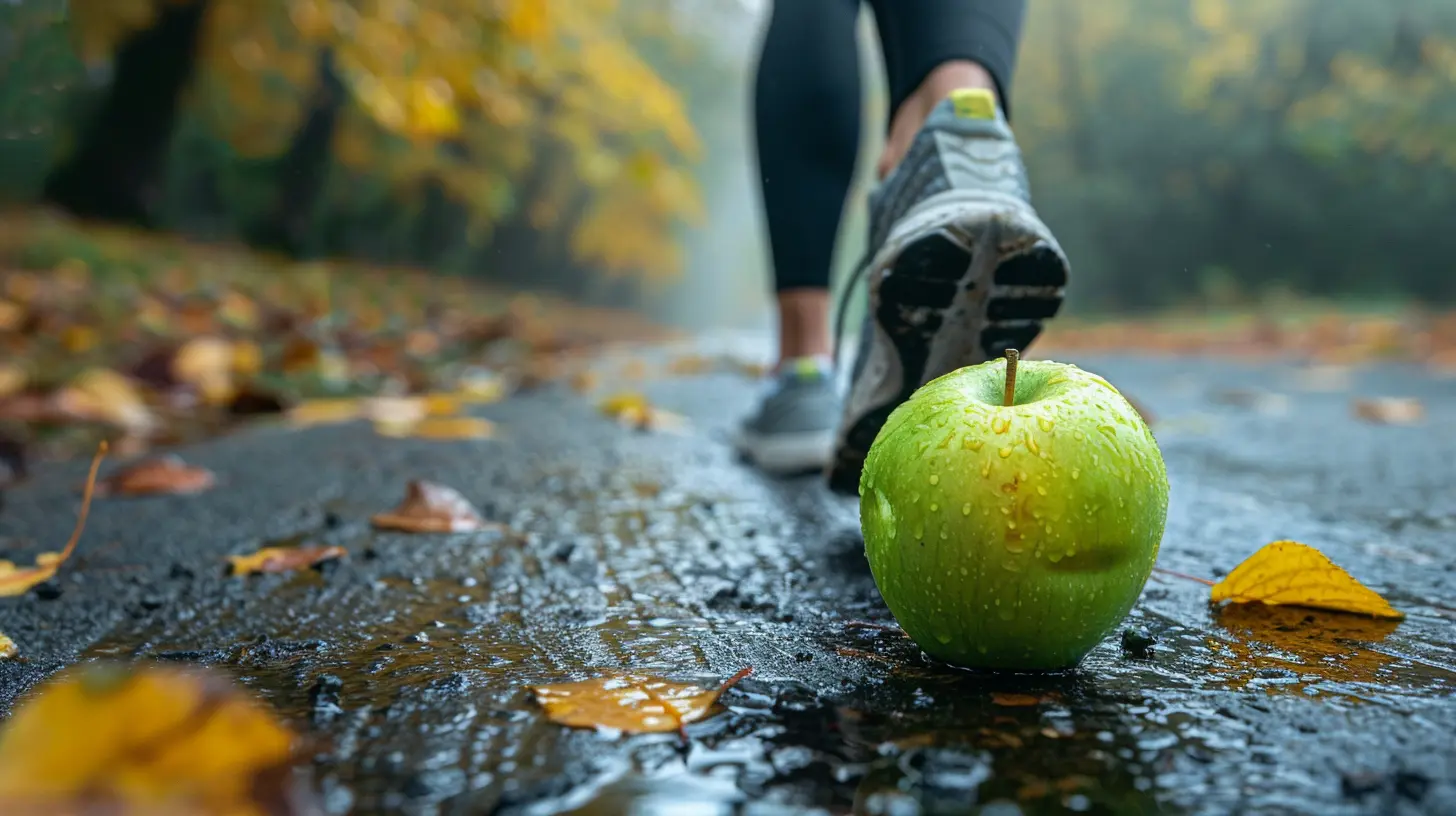
Combining Nutrition and Exercise for Maximum PTSD Relief
While nutrition and exercise individually offer great benefits, combining them amplifies the results. Think of it as a one-two punch for PTSD management! Here’s how you can integrate both into your daily routine:1️⃣ Start Your Day with a Nutrient-Dense Breakfast
A balanced breakfast sets the tone for the whole day. Try a smoothie with bananas, spinach, chia seeds, and almond milk for a brain-boosting kickstart.2️⃣ Move Your Body Daily
Even 30 minutes of movement can make a difference. Whether it's yoga, jogging, or even dancing in your living room, consistency is key.3️⃣ Swap Processed Foods for Whole Foods
Avoid processed junk foods that spike stress levels. Instead, fill your plate with lean proteins, healthy fats, and fiber-rich carbs.4️⃣ Stay Hydrated
Carry a water bottle with you and aim for at least eight glasses of water per day. If plain water is boring, try adding a slice of lemon or cucumber for flavor.5️⃣ Practice Mindful Eating
Instead of eating in front of the TV or scrolling on your phone, focus on your meals. Chew slowly, notice the flavors, and appreciate your food. This small habit can greatly improve digestion and mental clarity.
Final Thoughts
PTSD is complex, but that doesn’t mean managing it has to be. By making small changes to your diet and incorporating regular exercise, you can take control of your mental health and feel more balanced.Food fuels your brain, and movement releases stress—together, they create a foundation for healing and resilience. So, why not give it a try? Your mind and body will thank you!
all images in this post were generated using AI tools
Category:
Post Traumatic Stress DisorderAuthor:

Janet Conrad