The Role of Speech Therapy in Addressing Learning Disabilities
19 May 2026
Learning disabilities can make everyday tasks—like reading, writing, or even holding a conversation—feel like climbing a mountain without a map. They affect how the brain processes information, making learning a struggle for many children and adults alike. But here's the good news: speech therapy is a powerful tool that helps bridge the gap between these challenges and effective communication.
If you've ever wondered how speech therapy plays a role in tackling learning disabilities, you're in the right place. Let's dive into this topic and uncover how this form of therapy can change lives. 
Understanding Learning Disabilities
Before we talk about how speech therapy helps, let's first break down what learning disabilities actually are.What Are Learning Disabilities?
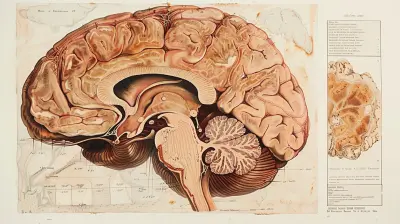
Learning disabilities are neurological disorders that interfere with the brain’s ability to receive, process, store, and respond to information. They’re not related to intelligence—many individuals with learning disabilities are highly intelligent—but they may struggle with skills like reading, writing, math, or communication.Common types of learning disabilities include:
- Dyslexia – Trouble with reading and language processing.
- Dysgraphia – Difficulty with writing and fine motor skills.
- Dyscalculia – Challenges with numbers and mathematical reasoning.
- Auditory Processing Disorder (APD) – Difficulty understanding and interpreting sounds.
And yes, language and communication struggles are often at the core of these issues. That’s where speech therapy comes in. 
How Speech Therapy Helps with Learning Disabilities
Speech therapy is often associated with correcting pronunciation or helping kids who stutter. But it goes far beyond that—it actively works on the cognitive and language skills required for learning.1. Improves Language Processing and Comprehension
One of the biggest struggles for children with learning disabilities is understanding and processing language. This is particularly true for kids with dyslexia or auditory processing disorders. Speech therapy helps by:- Teaching children how to break down words into smaller, manageable sounds.
- Strengthening their ability to understand spoken language.
- Enhancing their vocabulary and ability to express themselves.
Think of it like upgrading the brain’s software—it fine-tunes the way language is processed and stored.
2. Enhances Communication Skills
Some kids face difficulty expressing their thoughts clearly, leading to frustration and low self-esteem. Speech therapists work on:- Sentence formation and grammar.
- Expanding vocabulary for better self-expression.
- Social communication skills, including understanding tone, body language, and conversation flow.
This is crucial for both academic success and everyday interactions.
3. Strengthens Listening and Auditory Memory
For children with auditory processing disorders, spoken words can feel like puzzle pieces that don’t quite fit together. Speech therapy helps by training the brain to:- Focus on important sounds while filtering out background noise.
- Improve auditory memory, so they can remember and follow instructions better.
- Recognize sound patterns to improve reading and comprehension.
It’s like sharpening a blurry image—making speech clearer and more understandable.
4. Boosts Confidence and Social Skills
Imagine being in a classroom, knowing the answer but struggling to put it into words. That frustration can lead to anxiety and hesitation. Speech therapy not only improves communication but also builds confidence through:- Role-playing conversations in a safe environment.
- Teaching coping strategies for communication struggles.
- Encouraging self-advocacy so kids can express their needs comfortably.
When children can communicate better, they feel more empowered in both school and social settings. 
Speech Therapy Techniques That Make a Difference
Speech therapists use a variety of strategies tailored to each individual’s needs. Here are some of the most effective ones:1. Phonological Awareness Training
This technique focuses on helping kids hear and manipulate the sounds in words, a crucial skill for reading and spelling. Activities include:- Rhyming games.
- Breaking words into syllables.
- Identifying sounds in specific words.
These exercises help build a strong foundation for reading and writing.
2. Multisensory Approaches
Some children learn best when multiple senses are engaged. Speech therapists use:- Visual cues (like flashcards and charts).
- Tactile methods (like tracing letters in sand).
- Auditory techniques (like repeating sounds and words).
By engaging different parts of the brain, these methods help reinforce learning.
3. Repetitive Language Exercises
For children who struggle with memory and comprehension, structured repetition is key. This might involve:- Listening to and repeating short phrases.
- Playing memory-boosting word games.
- Practicing verbal storytelling.
The goal is to make language feel natural and automatic.
4. Social Communication Training
For kids who face difficulty in social situations, therapists teach:- How to start and maintain conversations.
- Reading facial expressions and body language.
- Appropriate responses in different social settings.
This boosts confidence in social interactions, making friendships and classroom participation easier. 
When to Seek Speech Therapy for Learning Disabilities
So, how do you know when speech therapy might be necessary? While every child learns at their own pace, some signs may indicate that extra support is needed:- Struggles with understanding spoken directions.
- Difficulty pronouncing or recalling words.
- Trouble forming complete sentences.
- Reading or writing challenges that persist over time.
- Avoidance of speaking in class or social situations.
If any of these sound familiar, consulting a speech-language pathologist (SLP) can help determine the best course of action.
Final Thoughts
Learning disabilities can be challenging, but they don’t have to be roadblocks to success. Speech therapy plays a key role in helping children and adults develop crucial communication and learning skills. From improving language processing to boosting confidence and social interactions, it’s a game-changer in the world of learning support.If your child or student is struggling, don’t lose hope. With the right therapy and techniques, they can build the skills they need to thrive—both in and out of the classroom.
all images in this post were generated using AI tools
Category:
Learning DisabilitiesAuthor:

Janet Conrad
Discussion
rate this article
1 comments
Kaitlin Hodge
Speech therapy for learning disabilities sounds like a superhero cape for words. Imagine a world where tangled thoughts find their voice and kids unlock the treasure chest of language. It's not just about talking; it's about building bridges between minds and the magical realm of communication... so cool!
May 30, 2026 at 2:57 AM
Janet Conrad
Thanks for such a creative take! Speech therapy truly does empower kids to express themselves and connect in meaningful ways. It's amazing to see those bridges built through language.