Understanding the Difference Between Learning Disabilities and Low Academic Achievement
13 May 2026
Education is a journey filled with ups and downs. Some students breeze through academics, while others face challenges that can make learning seem like an uphill battle. But what separates a learning disability from simply struggling in school? This is a crucial distinction that affects how we support students, parents, and educators alike.
Let’s break down the differences between learning disabilities and low academic achievement in a simple way—without all the confusing jargon. By the end, you’ll have a clear understanding of what these terms mean and why recognizing the difference is so important.

What Is a Learning Disability?
A learning disability (LD) is a neurological condition that affects the brain’s ability to process information. It has nothing to do with intelligence or effort—rather, it impacts how a person receives, understands, stores, and responds to information.A child with a learning disability might struggle in one or more key areas, including:
- Reading (Dyslexia) – Difficulty recognizing words, understanding text, or reading fluently.
- Writing (Dysgraphia) – Trouble with handwriting, spelling, or organizing thoughts on paper.
- Math (Dyscalculia) – Difficulty understanding numbers, solving math problems, or grasping math-related concepts.
- Processing Speed & Memory – Challenges with recalling information, following instructions, or completing tasks in a timely manner.
It’s important to stress that kids with learning disabilities are not lazy or lacking effort. Their brains simply work differently, requiring specialized teaching strategies to help them succeed.
Signs of a Learning Disability
Every child is unique, but there are some common red flags that might indicate a learning disability:- Struggling with reading, writing, or math despite consistent effort.
- Difficulty following directions or staying organized.
- Trouble remembering things—even after repetition.
- Low self-esteem or frustration with schoolwork.
- Avoiding school-related tasks because they feel "too hard."
If these challenges persist over time, it may be time to seek an evaluation. Early identification can open the door to tailored support and interventions that make a huge difference.

What Is Low Academic Achievement?
On the other hand, low academic achievement is when a student performs below grade level but does not have a neurological learning disability. This can happen for many reasons, including:- Lack of motivation – Sometimes students struggle because they feel disengaged or uninspired.
- Environmental factors – Family issues, lack of study support, or frequent school changes can affect performance.
- Teaching methods – Not all students thrive under the same teaching style. A mismatch between learning preferences and instruction can lead to struggles.
- Lack of foundational knowledge – Missing key concepts from earlier grades makes it harder to build on new material.
- Emotional challenges – Anxiety, depression, or stress can significantly impact a child’s ability to focus and perform academically.
Unlike learning disabilities, these challenges can improve with the right interventions, such as tutoring, better study habits, or additional classroom support.
Signs of Low Academic Achievement
Students with low academic achievement may:- Show disinterest in school or homework.
- Score lower on tests but improve when given extra help.
- Struggle in some subjects but perform well in others.
- Grow academically when taught in different ways.
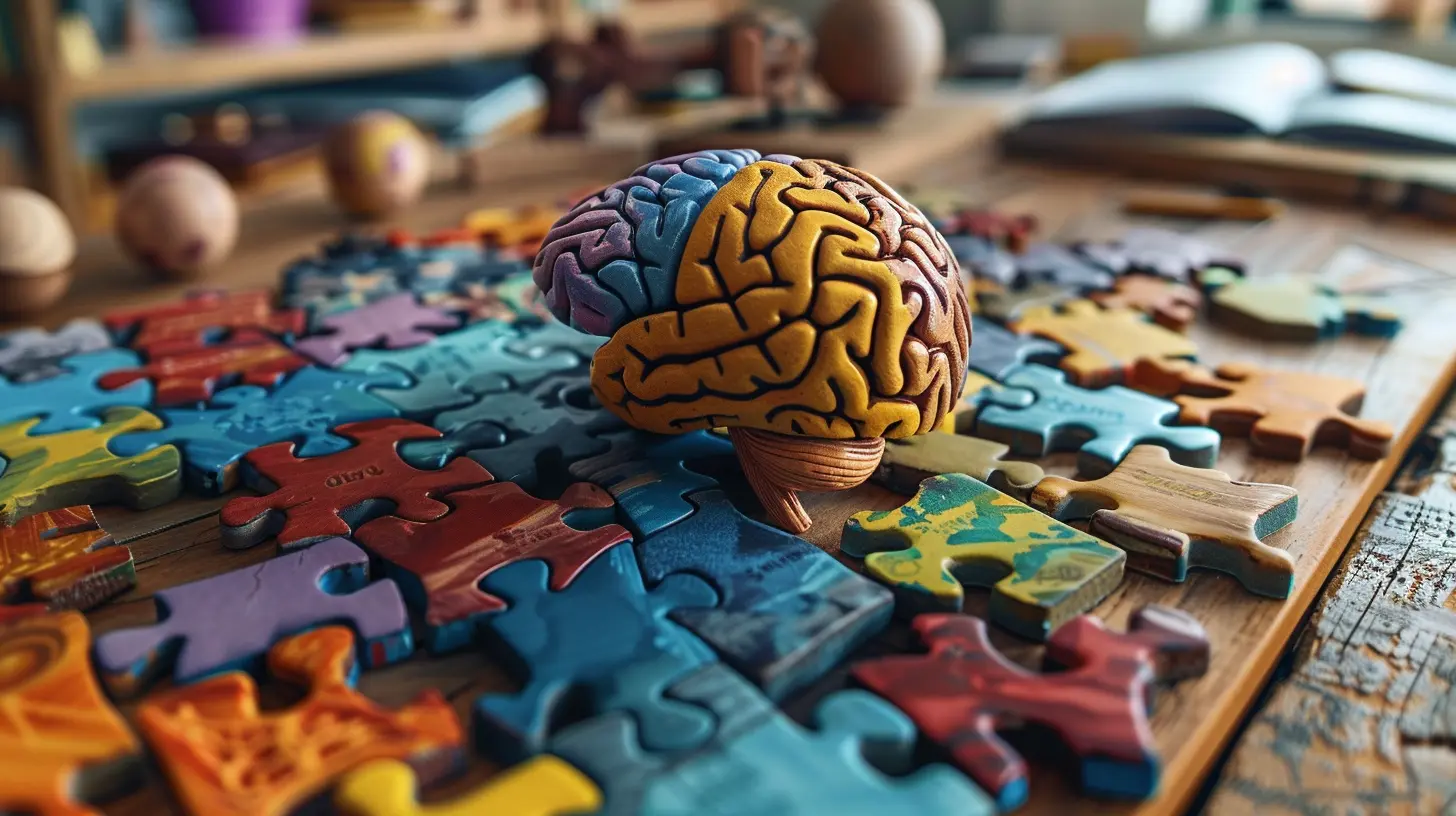
Key Differences Between Learning Disabilities & Low Academic Achievement
To put things into perspective, let’s compare the two in a way that’s easy to digest.| Aspect | Learning Disabilities | Low Academic Achievement |
|------------|--------------------------|-----------------------------|
| Cause | Neurological difference affecting learning | Often due to external factors or lack of engagement |
| Persistence | Ongoing, even with extra effort | Can be improved with additional support |
| Response to Instruction | Requires specialized teaching methods | May improve with better study habits or motivation |
| Impact on Self-Esteem | Can lead to frustration and anxiety | Usually tied to temporary struggles |
| Subject Areas | May affect one or multiple learning areas | Typically struggles in specific subjects |

Why Identifying the Difference Matters
Understanding whether a child has a learning disability or is simply struggling with academics determines the type of support they need. Mislabeling a student with a learning disability when they simply need different learning strategies can be discouraging. Likewise, overlooking a true learning disability can lead to years of frustration and falling behind.Proper Support Changes Everything
For students with learning disabilities, accommodations such as:- Individualized Education Plans (IEPs) to create specialized learning strategies.
- Extra time on tests to alleviate processing difficulties.
- Assistive technology (like audiobooks for dyslexia) to help with comprehension.
- One-on-one tutoring with a specialist who understands learning challenges.
For students with low academic achievement, strategies like:
- Improving study habits can help retain information.
- Finding engaging learning resources (interactive apps or games).
- Parental involvement like structured homework time.
- Encouraging a growth mindset to build confidence in learning.
When students get the right support, incredible progress happens—turning frustration into success.
Breaking the Stigma Around Learning Struggles
Far too often, students feel embarrassed or ashamed when they struggle in school. But needing extra help is not a sign of failure—it’s simply a sign that different strategies are needed.The key is fostering an environment where struggling students feel empowered, not defeated. If a child is diagnosed with a learning disability, it doesn’t mean they’ll never succeed. Many incredibly successful people, from Albert Einstein to Steven Spielberg, have learning disabilities and have achieved greatness.
And for students facing low academic achievement? The right mindset and effort can completely change their trajectory. Struggles today do not define future success.
Final Thoughts: Every Student Deserves to Thrive
Whether a child has a learning disability or just needs extra academic support, every student deserves to feel capable and confident. Understanding the difference between these two challenges is the first step in providing the right kind of help.Educators, parents, and students must work together to create an environment where learning differences are recognized, supported, and celebrated. Because at the end of the day, success isn’t about avoiding challenges; it’s about overcoming them.
all images in this post were generated using AI tools
Category:
Learning DisabilitiesAuthor:

Janet Conrad
Discussion
rate this article
1 comments
Stacey McKee
Recognizing the distinction between learning disabilities and low academic achievement is crucial. It allows for tailored support and understanding, fostering growth and confidence in every learner.
May 18, 2026 at 2:21 AM