Understanding Trauma: The Neurological Impact of Stress
19 February 2026
Let’s face it — life comes at us fast. One minute you're sipping your morning coffee, and the next, you're knee-deep in a crisis that shakes you to your core. That sudden punch in the gut? That’s stress in action. And when it's chronic or overwhelming, we’re talking trauma. But what really happens inside our brains when we experience trauma? Why can’t we just “get over it”?
Pull up a chair. We’re going to unpack the messy, fascinating, and very human ways trauma affects the brain. And don’t worry — we won’t drown you in medical jargon. We’re keeping it real.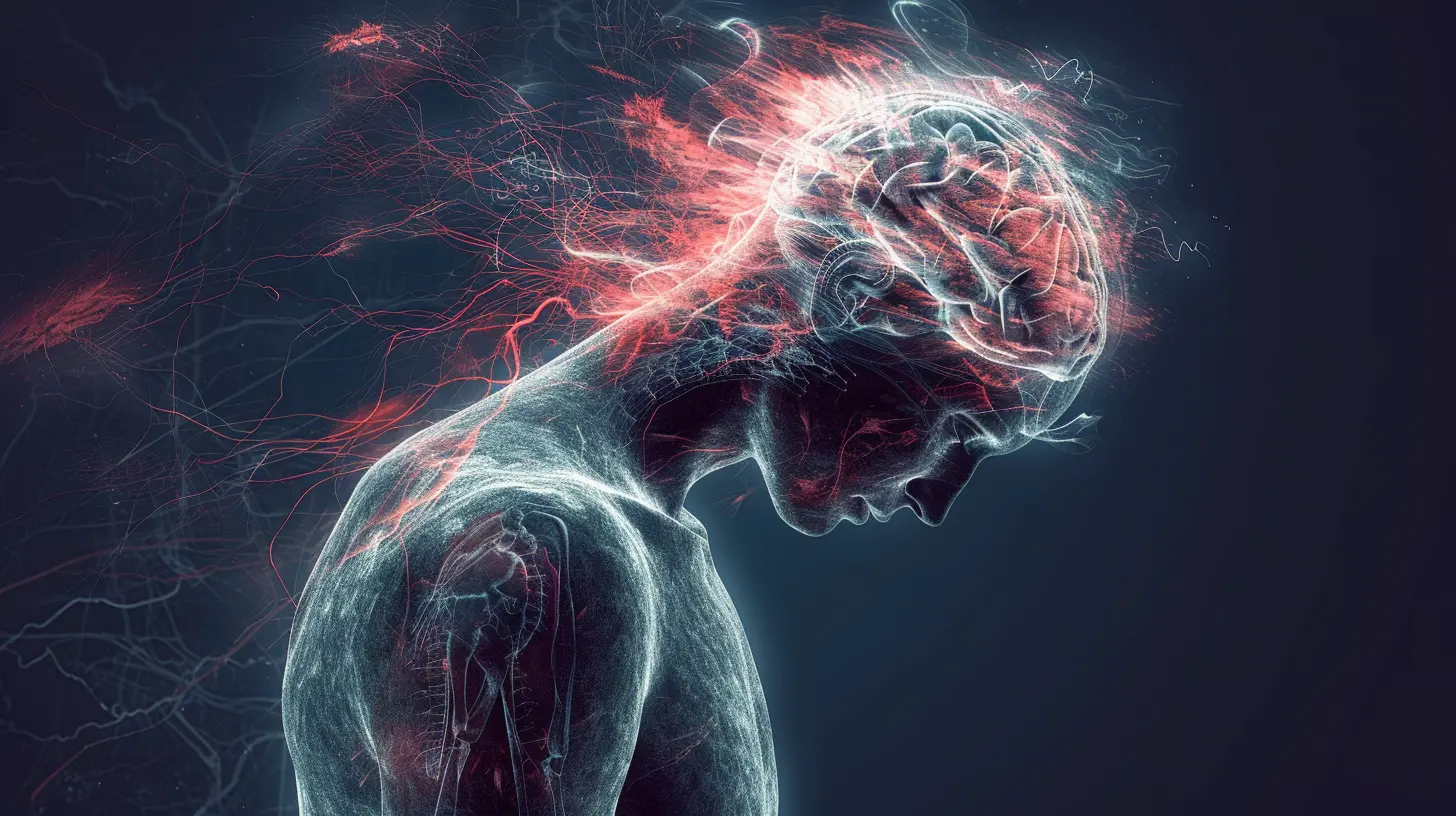
What Exactly Is Trauma?
Trauma isn’t just about war zones or violent crimes. Sure, those are extreme examples, but trauma can also stem from things people may dismiss — like an emotionally neglectful childhood, the loss of a loved one, or even long-term stress at work. What’s traumatic for one person might not be for another. And that’s okay.Put simply, trauma is your brain and body’s response when you feel utterly helpless and overwhelmed. It’s not about the event — it’s about how your nervous system reacts to it.
Stress vs. Trauma: What’s the Difference?
Let’s clear this up right away: not all stress leads to trauma, but all trauma involves some form of stress. Think of stress like lifting weights. A little bit helps you grow stronger. But stack too much on, too fast, without rest? Something snaps.Stress becomes trauma when your nervous system can no longer cope and adapt. It’s like your internal alarm system is stuck in the “ON” position, even long after the danger has passed.
Meet Your Brain Under Stress
Here’s where it gets really interesting. Trauma doesn’t just affect your thoughts and feelings — it rewires your brain. Literally.There are a few key players in your brain that play lead roles in how you process trauma:
1. Amygdala – The Alarm Bell
Think of the amygdala like your brain’s smoke detector. Its job? Spot danger and scream, “Get out now!” When you’re in a threatening situation, the amygdala goes into overdrive. It pumps out fear and anxiety to get you moving.During trauma, the amygdala becomes hyperactive — it starts seeing threats everywhere, even when there are none. That’s why trauma survivors may feel jittery, on-edge, or hyper-vigilant in completely safe environments.
2. Hippocampus – The Memory Keeper
The hippocampus helps you make sense of time and space. It’s the reason you know that you were five years old when your dad taught you to ride a bike. But trauma can shrink or impair the hippocampus, making it harder to form accurate memories.Ever met someone who can’t recall the sequence of a traumatic event? Or who feels like the past is happening right now? That’s a hippocampus struggling to do its job.
3. Prefrontal Cortex – The Rational Thinker
This is the part of your brain that helps you calm down, think logically, and make decisions. Imagine the prefrontal cortex as your inner parent, telling the amygdala, “Hey, chill out. We’re not in danger anymore.”But after trauma, this part of your brain goes offline — like a parent leaving the room during a temper tantrum. You’re left with raw emotion and no one at the wheel.
The Long-Term Effects of Trauma on the Brain
Now let’s talk about neuroplasticity — your brain’s ability to change and adapt. It sounds like a good thing (and it is), but it can work against you, too. The more time your brain spends in survival mode, the more it reshapes itself to stay in that mode.Here’s what can happen over time:
Chronic Anxiety
Your amygdala gets stronger, faster, and louder. You start reacting to minor stress as if it's a life-or-death threat. It’s like having a hair-trigger alarm that goes off when a leaf falls on your car.Memory Problems
With a weakened hippocampus, memories get fuzzy, distorted, or stuck. Trauma survivors might forget parts of the event or recall them in fragmented, nightmarish flashes.Emotional Numbness
When everything becomes too overwhelming, the brain sometimes pulls the plug on emotions altogether. You might feel disconnected — like watching your life from behind a screen. It's your brain's last-ditch effort to protect you.Impulse Control Issues
Without a working prefrontal cortex, decision-making gets harder. You might lash out, withdraw, or struggle to regulate your behavior — not because you’re weak, but because your brain is in chaos.Trauma Changes the Body Too
Trauma isn’t just a mental or emotional issue — it’s deeply physical. In fact, your brain and body are in constant conversation. When trauma lingers, it can show up as:- Chronic pain
- Digestive issues
- Autoimmune problems
- Fatigue
- Sleep disturbances
This is why treating trauma often requires more than just talk therapy. The body remembers what the mind forgets.
The Fight, Flight, Freeze… and Fawn Response
You’ve heard of fight or flight, right? But there are two more trauma responses worth knowing: freeze and fawn.Fight
You become aggressive, defensive, or confrontational. You try to overpower the threat.Flight
You escape. You run physically or emotionally from anything that feels dangerous.Freeze
You become paralyzed. Your body shuts down. You feel stuck or numb.Fawn
Here’s a lesser-known one: you people-please. You try to keep others happy to avoid conflict and stay safe.All of these responses are survival strategies hardwired into your brain. None of them are wrong or bad — they’re just signs your nervous system is doing its best to protect you.
Healing: Is It Possible to Rewire the Brain After Trauma?
Absolutely. Your brain has an incredible ability to heal — but it doesn’t happen overnight. Just like it took time for trauma to rewire your brain, it’ll take time (and effort) to carve new, healthier pathways.1. Therapy Helps — A Lot
Trauma-informed therapy approaches like EMDR (Eye Movement Desensitization and Reprocessing), somatic experiencing, and cognitive behavioral therapy (CBT) can help reprocess traumatic memories and calm the nervous system.2. Mindfulness and Meditation
These practices help activate the prefrontal cortex and regulate the amygdala. In other words, they bring the “rational brain” back online and help silence that ever-ringing alarm bell.3. Movement and Breathwork
Gentle movement like yoga, deep breathing exercises, or even walking can reset your nervous system. The body needs a say in the healing process — not just the brain.4. Connection is Key
Isolation fuels trauma. Safe, healthy relationships help your brain relearn trust, safety, and connection. As social creatures, we heal best in community.Trauma Isn’t a Life Sentence
If you’re reading this and thinking, “Wow, this is me,” take a breath. You’re not broken. You’re not weak. You’re human.Your brain did exactly what it needed to do to keep you safe. And while the wiring might be a bit tangled now, it can be rewoven. With the right support, understanding, and patience, healing is not just possible — it’s probable.
Some people say time heals all wounds. But the truth? It’s what you do with that time that counts.
Final Thoughts: Be Kind To Your Brain
Trauma is complicated, messy, and deeply personal. It changes the brain — yes — but not in ways that are irreversible. Understanding the neurological impact of stress gives us power. Power to seek help, to be more compassionate with ourselves and others, and to stop viewing trauma as a moral failing or personal flaw.So, the next time you (or someone you love) reacts “too much” or seems distant and numb, remember — they’re not being dramatic. Their brain is simply trying to protect them the best way it knows how.
Be patient. Be curious. And most importantly, be kind.
all images in this post were generated using AI tools
Category:
NeuroscienceAuthor:

Janet Conrad
Discussion
rate this article
2 comments
Blaze McCloud
Who knew our brains could throw such wild parties after stress? It’s like they invite trauma and issue a ‘no fun allowed’ sign! Let’s just hope the cleanup crew (aka therapy) shows up on time!
February 27, 2026 at 5:39 PM
Janet Conrad
Absolutely! Our brains do have a fascinating way of processing stress, and therapy is crucial for that necessary cleanup and healing. Thanks for the insightful comment!
Xeno Roberson
This article beautifully highlights how trauma shapes our brains. It’s fascinating and somewhat comforting to know that understanding these impacts can help us navigate our healing journeys. Thank you for shedding light on such an important topic!
February 22, 2026 at 3:45 AM
Janet Conrad
Thank you for your kind words! I'm glad the article resonated with you and sparked such reflection. Understanding these impacts is indeed a crucial step in healing.