A Fresh Look at Military Failures: Revisiting Norman Dixon's Insights
January 14, 2026 - 01:32
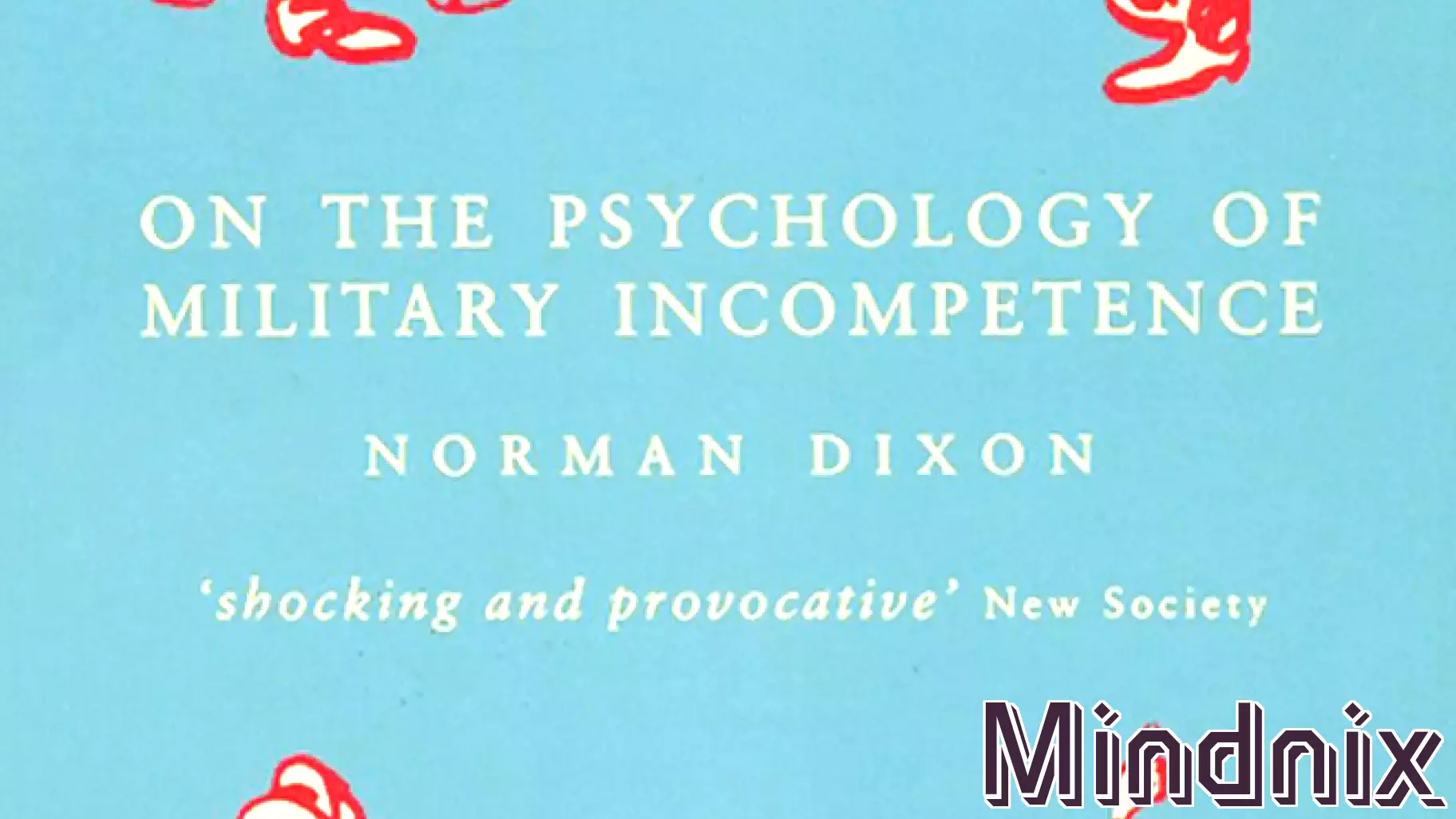
In a thought-provoking analysis, Nick Spenceley delves into Norman Dixon's seminal work, On the Psychology of Military Incompetence. Originally published in the 1970s, Dixon's exploration of the psychological factors contributing to military failures remains relevant today. Spenceley highlights how Dixon challenges traditional narratives surrounding military leadership and decision-making, emphasizing the impact of cognitive biases and psychological limitations on strategic outcomes.
Dixon's arguments suggest that many military leaders, despite their training and experience, can fall prey to flawed thinking and poor judgment. Spenceley underscores the importance of understanding these psychological pitfalls to prevent repeated mistakes in military history. As modern conflicts become increasingly complex, the lessons drawn from Dixon's analysis are crucial for contemporary military strategists and policymakers.
By revisiting these insights, Spenceley encourages a renewed focus on the human element in military operations, advocating for a more nuanced understanding of competence and failure in the armed forces. This reexamination serves as a reminder of the enduring relevance of psychological factors in shaping the course of military history.
MORE NEWS
July 14, 2026 - 00:10
Watching nature videos can help relieve stress, study findsWhen stress builds up, finding healthy ways to unwind becomes essential. Spending time outdoors is a well-known method for calming the mind, but not everyone has easy access to parks, forests, or...

July 13, 2026 - 14:06
The Canucks' secret prospect weapon is ... sports psychologyThe Vancouver Canucks are quietly building a competitive edge off the ice, and it has little to do with skating drills or power-play formations. During the team`s summer development camp in...

July 12, 2026 - 18:19
Psychology says people who daily read the Quote of the Day are not just looking for inspiration, they mayA new perspective on daily quote consumption suggests that people who read the Quote of the Day every morning aren`t necessarily searching for constant motivation. According to psychological...

July 12, 2026 - 15:16
17,000 students in Kazakhstan choose psychology as majorMore than 17,000 young people in Kazakhstan have chosen psychology as their field of study, signaling a sharp rise in interest in mental health professions. The trend was explored in a recent...