Across Cultures, People Share Beliefs on How Children’s Minds Grow
August 19, 2026 - 20:46
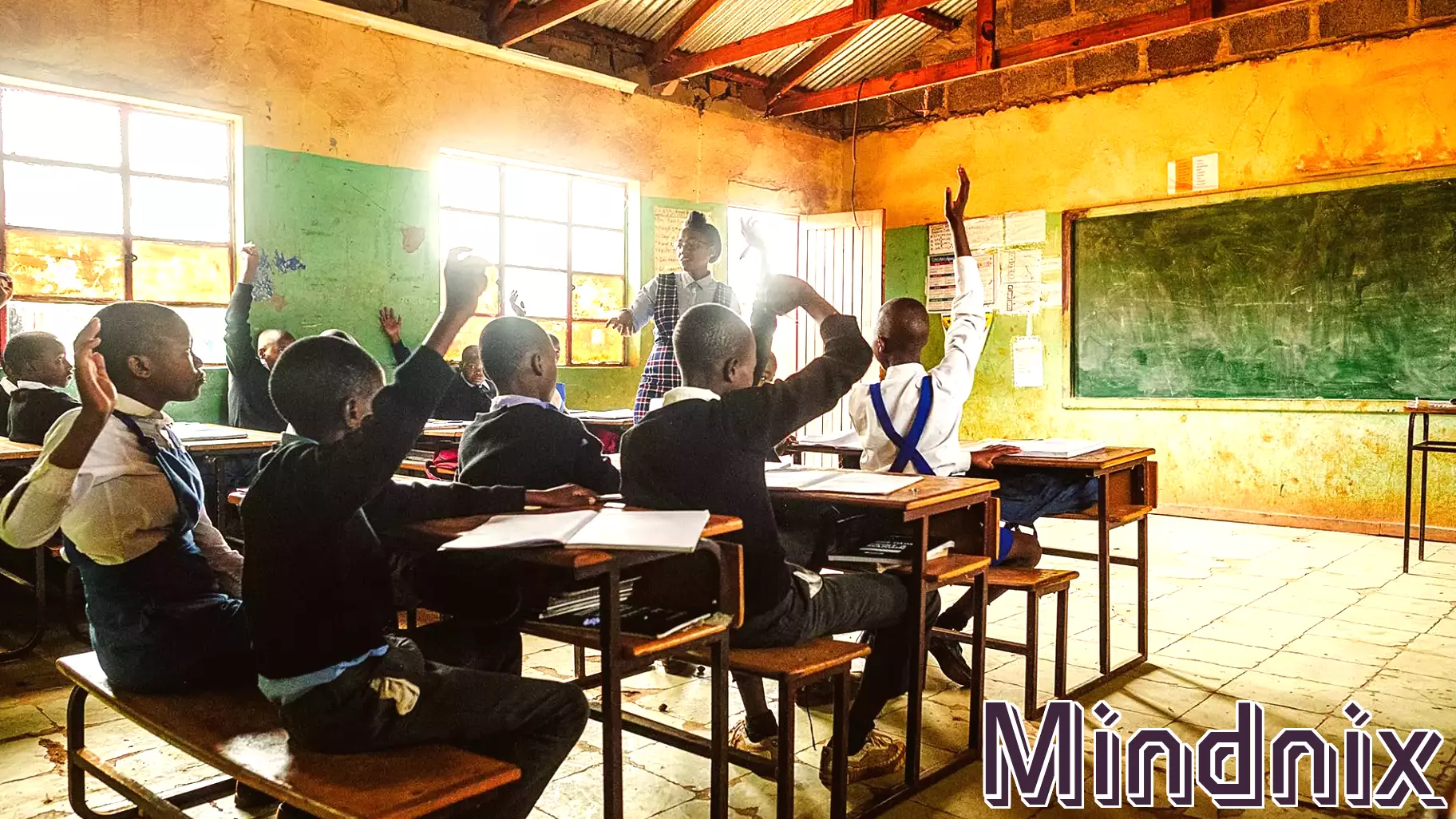
The study, published in a leading developmental journal, pulled together data from over 50 cultural groups, including small-scale farming villages, urban middle-class families, and nomadic herding communities. In each place, researchers asked parents, grandparents, and other caregivers to describe how they think a child's thinking changes from infancy to adolescence. The answers were not identical, but clear patterns emerged.
For example, nearly all groups agreed that a child's ability to control impulses and understand other people's perspectives develops gradually, not all at once. Many also linked the growth of reasoning to a child's increasing participation in adult work and social duties. That stands in contrast to the Western focus on formal schooling as the main driver of mental growth.
One of the more striking findings was about the role of language. In many non-Western communities, people said that a child does not truly "have a mind" until they can speak well enough to explain their own actions. In Western settings, parents more often tied mental development to emotional expression and self-awareness. Yet even here, the underlying idea was the same: the mind becomes visible through communication.
The lead author noted that these shared beliefs likely reflect universal human experiences, like the need to teach children safety rules and the challenge of dealing with a toddler's tantrums. But the differences matter too. If parents believe that a child's mind grows through work, they will give that child chores early. If they believe it grows through talk, they will spend more time in conversation. Neither approach is wrong, the author said, but each shapes how a child learns to think.
The researchers hope the findings will push psychologists to broaden their definitions of healthy development. They also want to encourage schools and clinics to respect local ideas about childhood, rather than imposing a single model. As one co-author put it, "We are not saying all cultures are the same. We are saying that all cultures have sophisticated ideas about children, and we need to listen."
MORE NEWS

August 19, 2026 - 11:20
AEW's Chris Jericho Credits Lucha Libre For Teaching Him Wrestling PsychologyAfter his appearance at AEW Grand Slam: Mexico, Chris Jericho opened up about what shaped him most as a performer. In a post-match conversation, Jericho credited his time wrestling in Mexico,...

August 18, 2026 - 18:37
The Illusion of LongingIt is a scenario therapists encounter constantly: a client sits in the chair, consumed by the painful end of a relationship, convinced their lingering grief is proof of the other person`s unique...

August 18, 2026 - 12:28
Psychology says people who pack far more clothes than they need may be responding to imagined future scenaPeople who overpack for trips often get teased for it, but the behavior may have a deeper psychological root than simple indecision or forgetfulness. According to psychologists, packing an...

August 17, 2026 - 03:30
The Upside of Mental FlexibilityThere is a quiet power in being able to shift direction when life throws a curveball. Many people mistake mental flexibility for weakness, as if changing your stance means you lack conviction. But...