AI in Eating Disorders: Support Tool or Silent Risk?
June 14, 2026 - 14:48
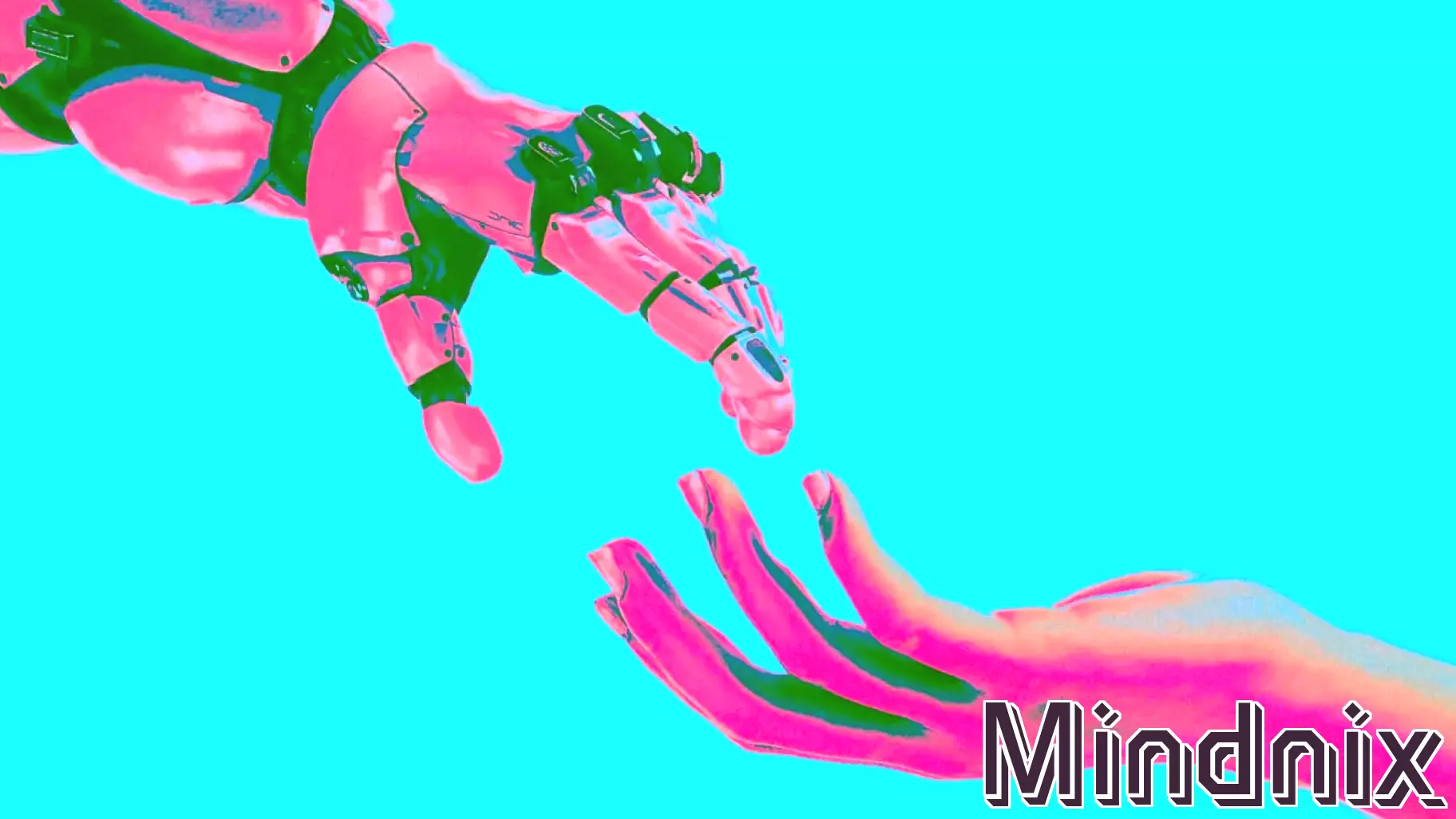
Artificial intelligence is stepping into the field of eating disorder support, offering new ways for people to find help. But as these tools become more common, experts are asking whether they truly assist recovery or introduce new risks. A recent analysis of current research looks at both sides.
On one hand, AI-powered chatbots and screening apps can reach people who might not otherwise seek help. Many individuals with eating disorders avoid traditional treatment due to shame, cost, or lack of access. An AI tool can offer immediate, anonymous guidance. Some programs use natural language processing to detect warning signs in a user's text, flagging harmful patterns before they escalate. This could be a lifeline for someone in a rural area or for a teenager who feels too embarrassed to talk to a parent.
But the picture is not entirely positive. Critics point out that AI lacks the nuance needed for such a complex condition. Eating disorders are deeply tied to emotions, body image, and personal history. A machine cannot understand the subtle cues a human therapist would catch. Worse, some AI tools have been known to give harmful advice, such as suggesting calorie counts or reinforcing weight-focused language. There is also the risk that users become dependent on a chatbot instead of seeking real human connection.
The research concludes that AI is not a replacement for professional care. It works best as a first step or a supplement, not a standalone solution. Developers need to involve clinicians in the design process and test these tools carefully. For now, the message is clear: AI can open doors, but it cannot replace the understanding that only a trained human can provide.
MORE NEWS

July 29, 2026 - 15:21
Be Ready for Your Visit to the Art FairWalking into an art fair can feel overwhelming. Hundreds of pieces compete for your attention, and the noise of the crowd makes it hard to think clearly. But the best approach is not to hunt for...

July 28, 2026 - 18:41
The Irish Giant Betrayed: The Ethics of the Public GazeFor centuries, the skeleton of Charles Byrne, known as the Irish Giant, has been a quiet spectacle in a London museum. Byrne, who stood nearly eight feet tall in the 18th century, feared his body...
July 28, 2026 - 03:34
Still "Smearing the Queer"? Why the Use of LGBTQ Slurs PersistsEven as society grows more accepting of LGBTQ identities, certain slurs remain stubbornly present in everyday language. The phrase `smearing the queer` may sound like a relic of the 1990s, but the...

July 27, 2026 - 01:39
Gay Men and Self-Worth: Beyond Visibility and PrideFor many gay men, the conversation about self-worth feels like old news. We have marriage equality. We have corporate rainbow logos every June. We have visibility on television and in politics. So...