Are We Truly Selfless When It Comes to Helping Others We Dislike?
October 7, 2025 - 22:08
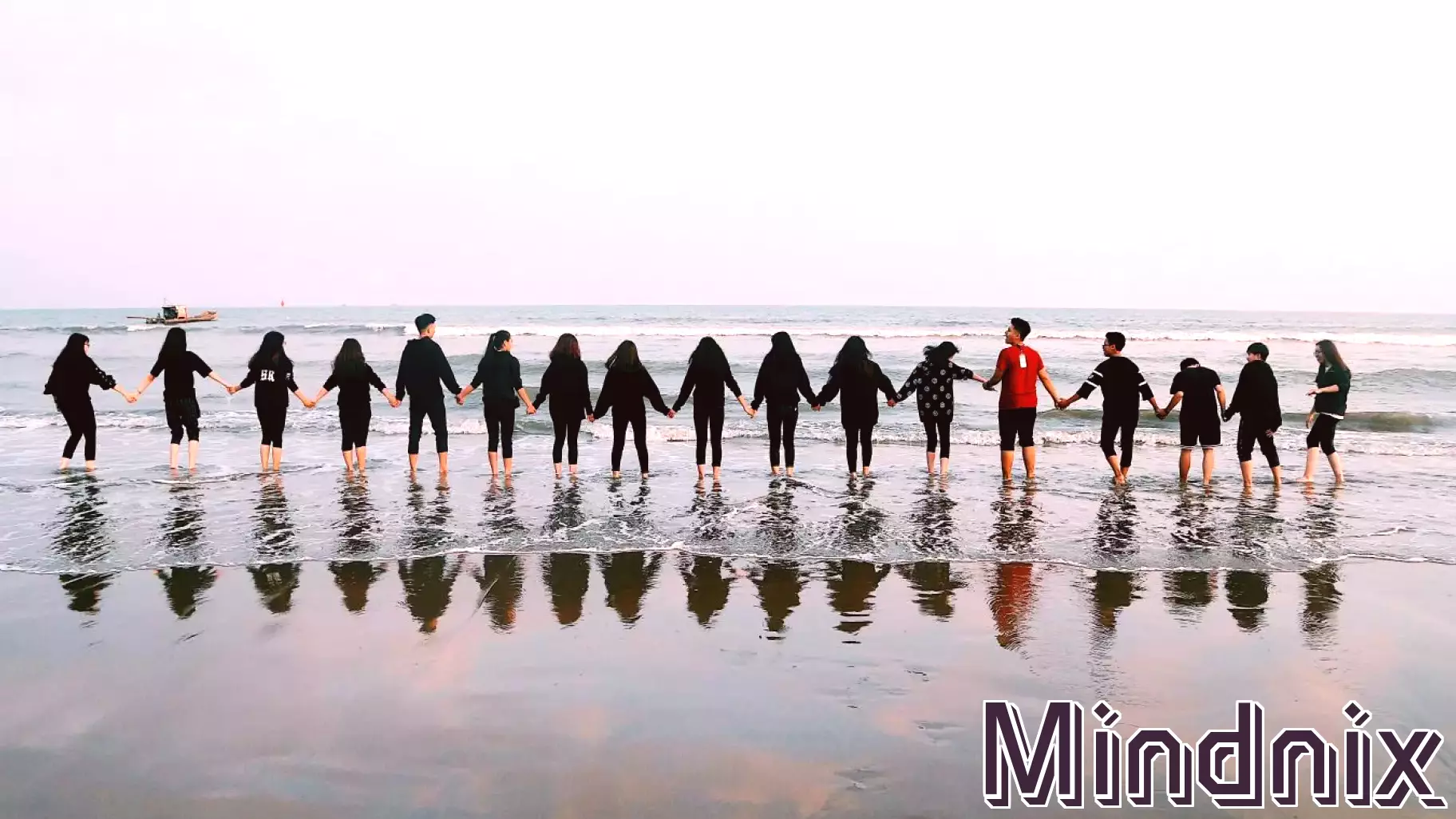
A recent international study on ingroup bias reveals the complexities of human behavior when it comes to altruism. While many individuals like to believe they would act selflessly, the research suggests that our innate biases can significantly influence our willingness to assist those we dislike. The findings highlight a fundamental struggle within human nature: the conflict between our moral ideals and the instinctive divisions that arise from social and cultural differences.
Participants in the study were presented with scenarios where they had to choose whether to help individuals from different groups, some of whom they harbored negative feelings towards. The results indicated that, despite an inclination to act altruistically, many were reluctant to extend help to those they perceived as outsiders or adversaries. This tendency raises important questions about the nature of compassion and the barriers that prevent individuals from acting in the interest of the greater good, even when it challenges their personal biases.
Understanding these dynamics is crucial for fostering empathy and cooperation in increasingly polarized societies.
MORE NEWS

July 9, 2026 - 21:45
The Weight of Addiction RecoveryFor women navigating addiction recovery, the scale can be just as daunting as the bottle or the pill. A growing body of clinical research is highlighting a complex and often overlooked relationship...

July 9, 2026 - 09:01
Frontiers | The epistemology of death: psychological autopsy, artificial intelligence, and forensic decision-making in equivocal deathsTraditional autopsies are designed to answer one main question: what was the biological cause of death? But in cases where the circumstances are unclear, known as equivocal deaths, that single...

July 8, 2026 - 22:47
Why Listening to the Same Song on Repeat Is a Sign of Emotional Regulation, Not StucknessPlaying the same song over and over is often seen as a sign that someone is dwelling on the past, but psychology suggests repeated listening serves a different purpose for many people. Familiar...

July 8, 2026 - 07:05
Psychology explains why people seek closure after breakups and why moving on often feels so difficultWhen a relationship ends, the brain enters a state of discomfort that goes beyond simple sadness. Psychology suggests this pain stems from the mind`s deep dislike for uncertainty and unresolved...