Building a Better Asylum
May 29, 2026 - 07:06
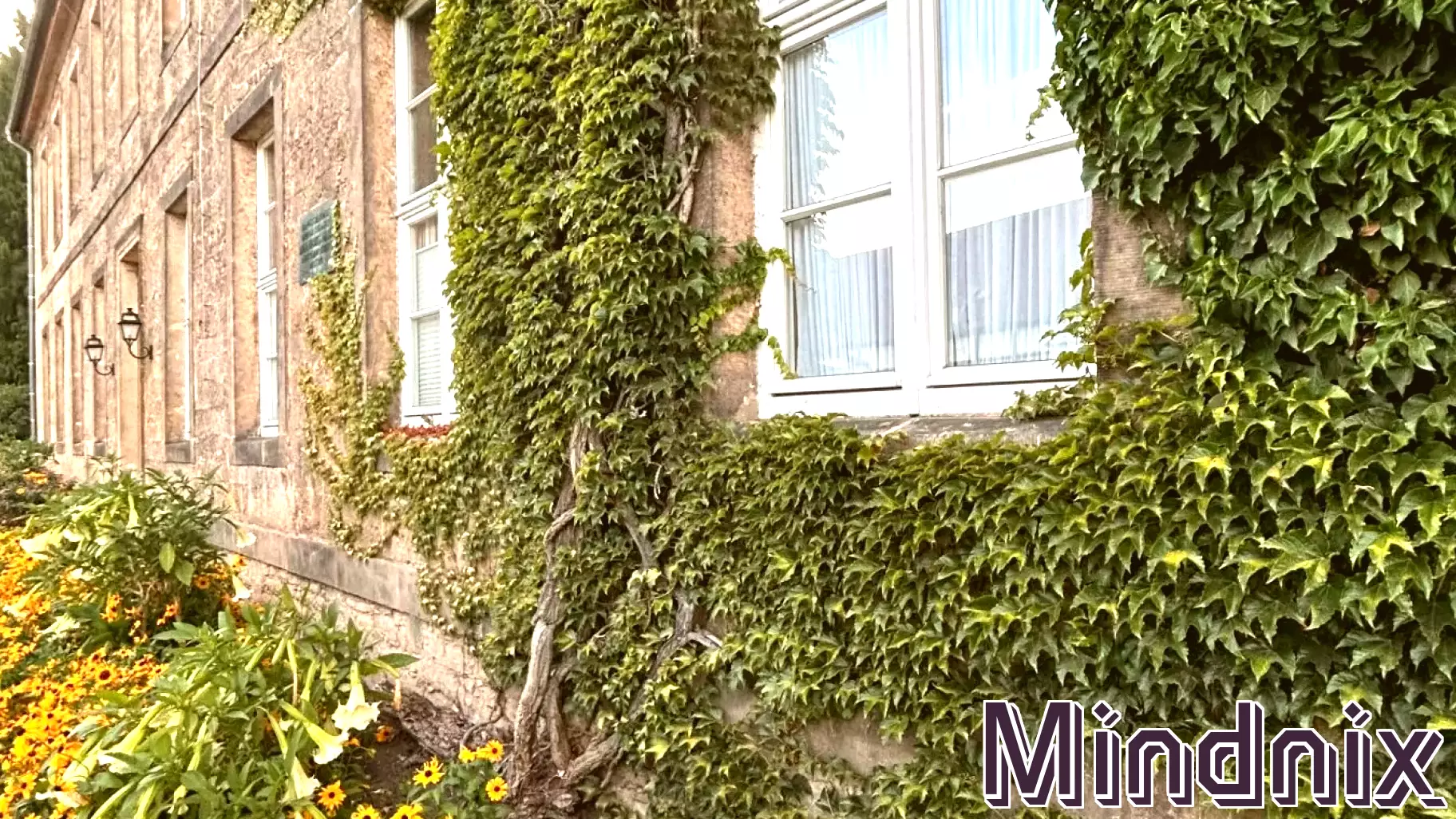
When I asked my students if there was anything worth learning from the history of asylums, I expected a shrug. Instead, they said yes. That answer surprised me. Most people associate the word "asylum" with dark corridors, overcrowded wards, and the grim legacy of lobotomies. But my students saw something else. They saw a story about how societies decide who deserves care, and how that care is delivered.
We spent a semester digging into the rise and fall of the asylum system in the 19th and early 20th centuries. The early asylums were not built as prisons. They were founded on a hopeful idea: that a quiet, orderly environment could heal the mind. Architects designed them with gardens, high ceilings, and plenty of sunlight. Doctors believed in moral treatment, a gentle approach that valued routine, work, and kindness over chains and restraint.
That vision did not last. As populations grew and funding shrank, asylums became warehouses. Patients were forgotten. Abuse became routine. By the 1960s, the system collapsed under its own weight, replaced by deinstitutionalization and community mental health centers. But that replacement also failed. Many former patients ended up homeless or in jail.
My students argued that the original asylum ideal, stripped of its failures, still holds lessons. They pointed to the need for calm spaces, for long-term relationships between caregivers and patients, and for a system that does not treat mental illness as a crime or a nuisance. They were not romanticizing the past. They were asking a hard question: if we reject the old asylums, what have we actually built to replace them? The answer, so far, is not enough.
MORE NEWS

July 14, 2026 - 00:10
Watching nature videos can help relieve stress, study findsWhen stress builds up, finding healthy ways to unwind becomes essential. Spending time outdoors is a well-known method for calming the mind, but not everyone has easy access to parks, forests, or...

July 13, 2026 - 14:06
The Canucks' secret prospect weapon is ... sports psychologyThe Vancouver Canucks are quietly building a competitive edge off the ice, and it has little to do with skating drills or power-play formations. During the team`s summer development camp in...

July 12, 2026 - 18:19
Psychology says people who daily read the Quote of the Day are not just looking for inspiration, they mayA new perspective on daily quote consumption suggests that people who read the Quote of the Day every morning aren`t necessarily searching for constant motivation. According to psychological...

July 12, 2026 - 15:16
17,000 students in Kazakhstan choose psychology as majorMore than 17,000 young people in Kazakhstan have chosen psychology as their field of study, signaling a sharp rise in interest in mental health professions. The trend was explored in a recent...