Has AI Transformed Impostor Syndrome into a More Pervasive Challenge?
March 14, 2025 - 07:23
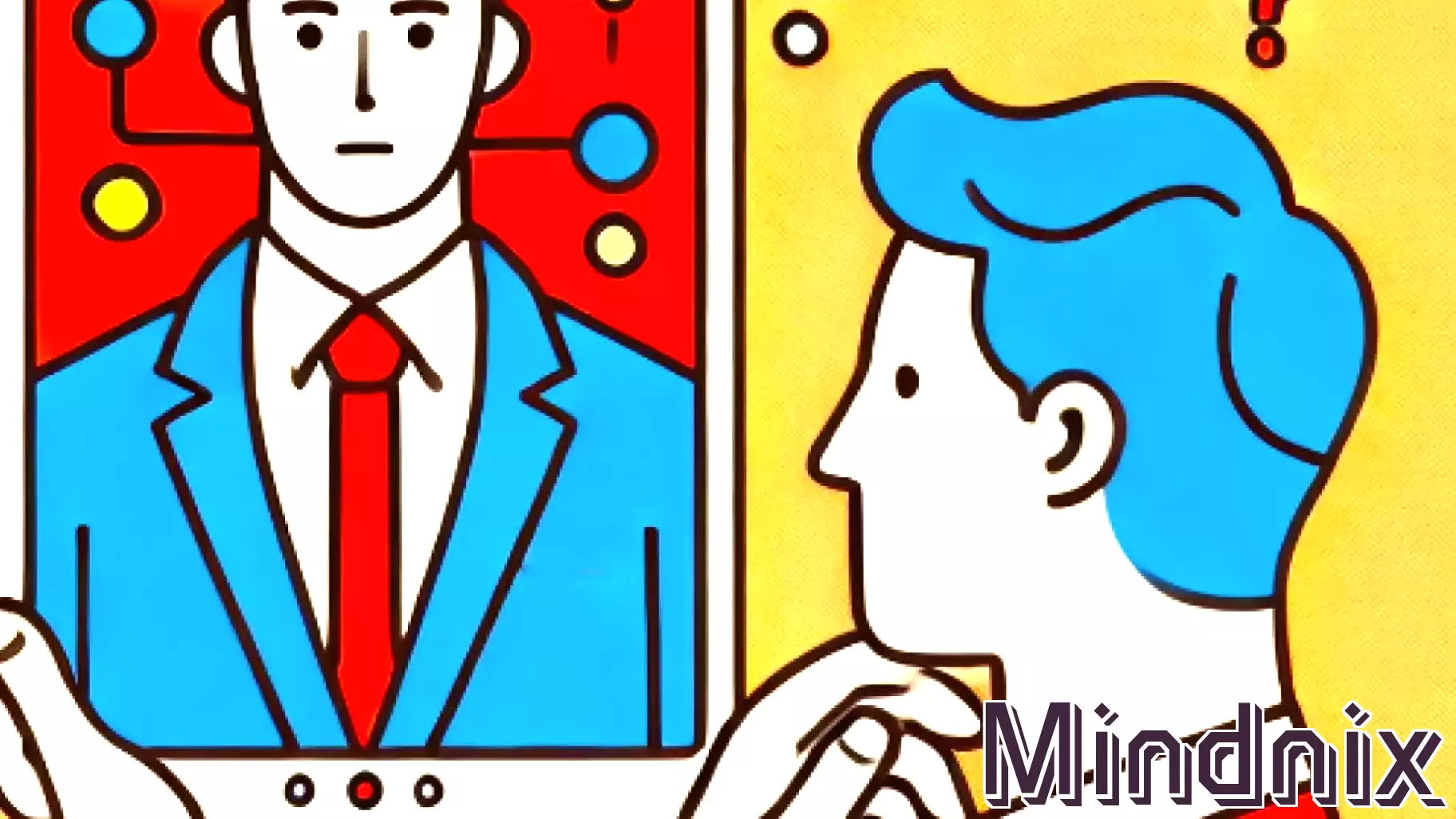
In recent years, the rise of artificial intelligence has sparked a conversation about its impact on mental health, particularly regarding impostor syndrome. This phenomenon, characterized by feelings of self-doubt and the fear of being exposed as a fraud, seems to have taken on new dimensions in an AI-driven world. With the rapid advancement of technology, individuals often compare themselves to highly capable AI systems, leading to a heightened sense of inadequacy.
The ease with which AI can perform tasks that once required human expertise can amplify feelings of impostor syndrome. Many professionals may find themselves questioning their skills and contributions in the face of machines that can analyze data, generate content, and even provide creative solutions. This comparison can create a cycle of self-doubt, making it increasingly difficult for individuals to recognize their own value and achievements.
Furthermore, the pervasive nature of AI in everyday life can make these feelings more insidious. As individuals engage with AI tools in various aspects of their work and personal lives, the pressure to keep up with technological advancements can exacerbate existing insecurities. Consequently, the challenge of overcoming impostor syndrome may become more complex, requiring individuals to navigate not only their internal struggles but also the external influence of ever-evolving AI capabilities.
MORE NEWS

July 9, 2026 - 21:45
The Weight of Addiction RecoveryFor women navigating addiction recovery, the scale can be just as daunting as the bottle or the pill. A growing body of clinical research is highlighting a complex and often overlooked relationship...

July 9, 2026 - 09:01
Frontiers | The epistemology of death: psychological autopsy, artificial intelligence, and forensic decision-making in equivocal deathsTraditional autopsies are designed to answer one main question: what was the biological cause of death? But in cases where the circumstances are unclear, known as equivocal deaths, that single...

July 8, 2026 - 22:47
Why Listening to the Same Song on Repeat Is a Sign of Emotional Regulation, Not StucknessPlaying the same song over and over is often seen as a sign that someone is dwelling on the past, but psychology suggests repeated listening serves a different purpose for many people. Familiar...

July 8, 2026 - 07:05
Psychology explains why people seek closure after breakups and why moving on often feels so difficultWhen a relationship ends, the brain enters a state of discomfort that goes beyond simple sadness. Psychology suggests this pain stems from the mind`s deep dislike for uncertainty and unresolved...