Nietzsche's Madman and the Unfinished Business of Modernity
May 24, 2026 - 00:05
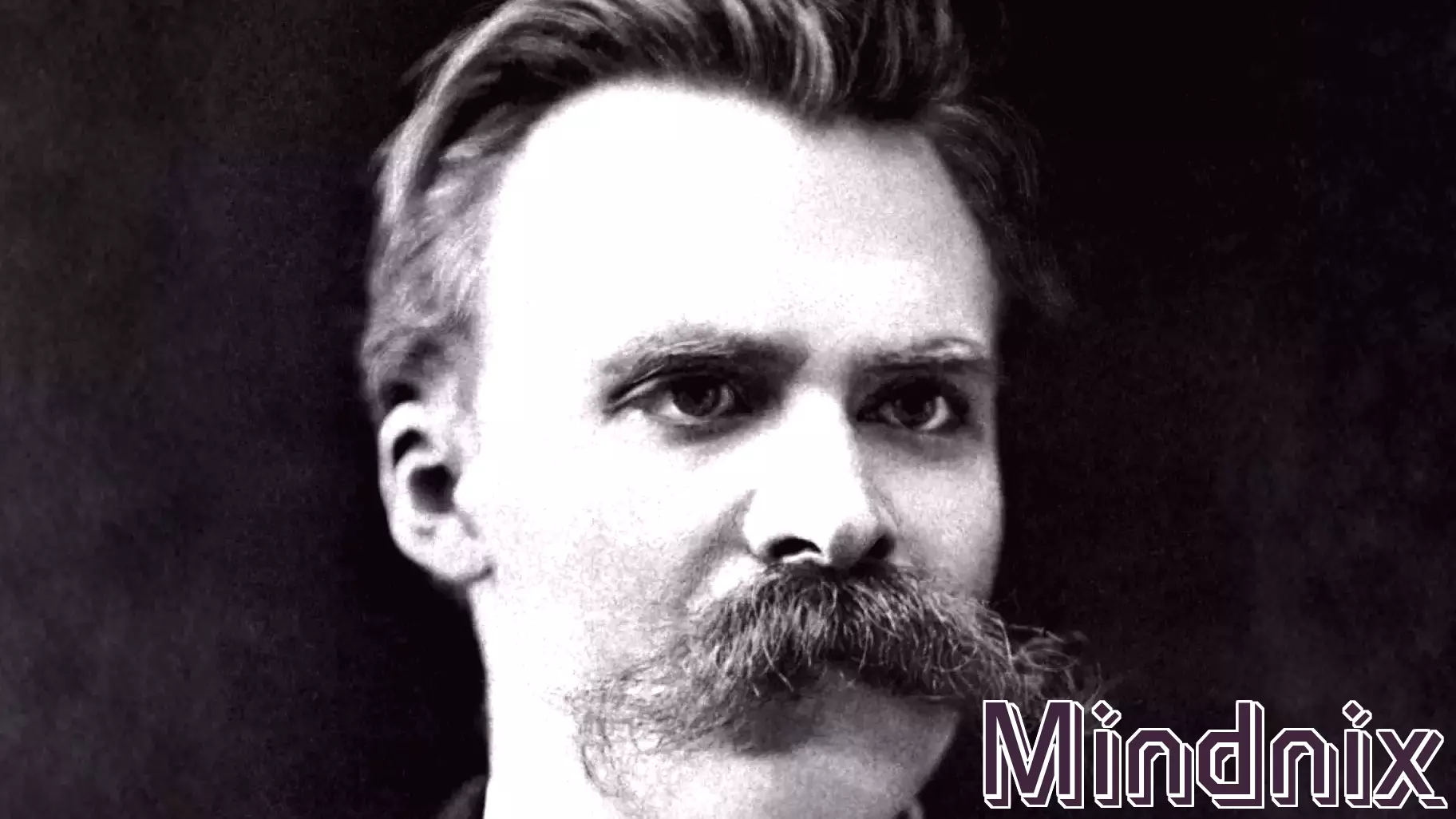
Humanity has not yet dealt with the implications of the Scientific Revolution. That is the uncomfortable truth lurking beneath Friedrich Nietzsche's famous parable of the madman, written more than a century ago. The madman runs into the marketplace, lantern in hand, crying out that he seeks God. The crowd mocks him. They have heard this before. But the madman's real message is not about loss. It is about what comes after.
Nietzsche understood that the death of God was not a theological event. It was a cosmological one. The Scientific Revolution had dismantled the old order of meaning. The Earth was no longer the center of anything. The heavens were no longer a moral stage. Cause and effect replaced providence. Yet the modern person, Nietzsche observed, kept living as though the old furniture still stood. They kept using moral terms, kept expecting cosmic justice, kept pretending that progress would fill the void.
The madman's question remains unanswered: "Have we not become the creators of our own values?" Modernity offers distractions. Consumerism, nationalism, technological optimism, identity politics. All of them are attempts to patch the hole left by a universe that no longer cares. But Nietzsche saw through the patchwork. He knew that without a transcendent source of value, human beings must either invent their own meaning or collapse into nihilism.
The real crisis of modernity is not that God is dead. It is that we have not yet learned to live without him. The madman's lantern still burns. We just refuse to look.
MORE NEWS

July 7, 2026 - 21:46
The Psychology of GhostingIt starts with a simple message. You send a text, maybe a funny meme or a casual question. Then you wait. An hour passes, then a day, then a week. The silence is deafening. You have been ghosted....
July 7, 2026 - 00:18
Research on watching sports suggests World Cup fans may get a well-being boostA recent analysis from LifeStance Health indicates that tuning into major sporting events like the World Cup may offer more than just entertainment. The research points to a measurable boost in...

July 6, 2026 - 02:42
Psychology says people who love hiking alone aren't always escaping others, they may be giving their mindsNew research in behavioral psychology challenges the common assumption that people who hike alone are simply trying to avoid social interaction. While the image of a solitary figure on a mountain...

July 5, 2026 - 01:37
Psychology says people who wear lots of rings aren't necessarily trying to stand out, they may be expressiA common misconception is that people who wear multiple rings are simply seeking attention. Psychology offers a more nuanced perspective. For many, rings hold personal meaning, symbolize important...