Overcoming Self-Doubt: Turning New Year Resolutions into Growth Opportunities
January 7, 2025 - 08:35
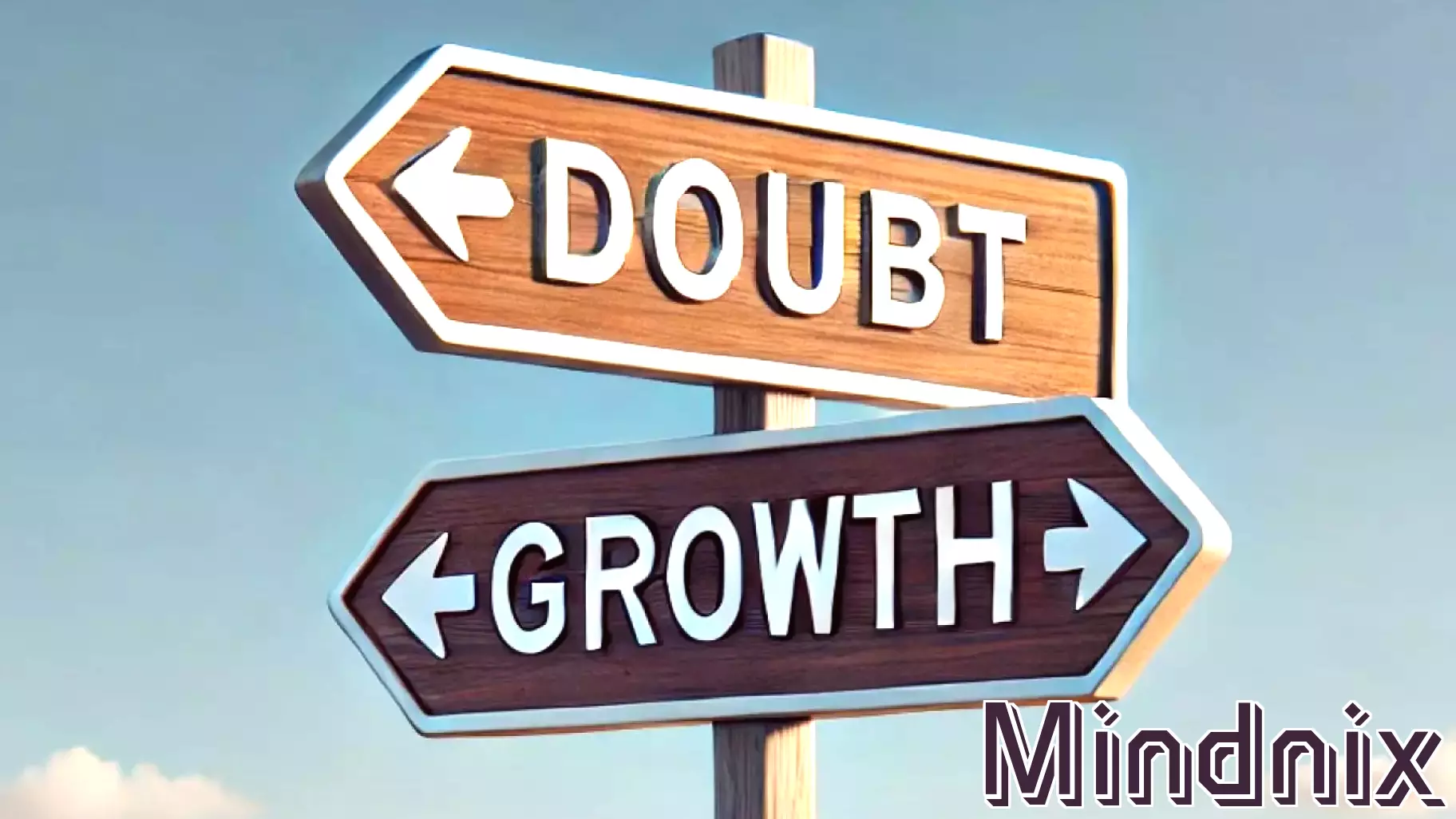
As the New Year begins, many individuals find themselves grappling with the familiar feelings of self-doubt that often accompany ambitious resolutions. While setting goals can be an exciting endeavor, it can also lead to questioning one's abilities and worthiness. The good news is that these feelings can be reframed into powerful motivators for personal growth.
Instead of allowing self-doubt to hinder progress, consider viewing it as a natural part of the journey. Acknowledge those feelings, but don’t let them define your actions. Embrace the idea that every challenge presents an opportunity to learn and evolve. By shifting your mindset, you can transform impostor feelings into a driving force, pushing you to strive for excellence.
Engaging in self-reflection and celebrating small victories can also help build confidence. Surround yourself with supportive individuals who encourage your growth and share similar aspirations. As you navigate the New Year, remember that doubts are merely stepping stones towards achieving your goals.
MORE NEWS

August 4, 2026 - 01:01
The Ketamine ParadoxKetamine has become one of the most talked-about treatments in psychiatry, and for good reason. When given under medical supervision, it can lift severe depression and quiet suicidal thoughts...

August 3, 2026 - 06:18
Psychology says photographing the parking level sign isn't organization — it's outsourcing a worry so the evening can beginMost people have done it at least once. You park in a crowded garage, glance at the letter and number on the concrete wall, and then pull out your phone to take a picture of the sign. It feels a...

August 2, 2026 - 19:29
Partner Violence Is Less Recognized in LGBTQ RelationshipsThe greatest barriers LGBTQ survivors face often are not just abusive partners, but the systems that fail to recognize and support them. While domestic violence is widely discussed in heterosexual...

July 31, 2026 - 13:53
America on a GLP-1: A Field Guide to 2030By 2030, the country will look different in ways that have nothing to do with skylines. The drug class that started as a diabetes treatment and became a weight-loss phenomenon will have reshaped...