Rethinking Human Bias and Machine Intelligence
May 20, 2025 - 09:54
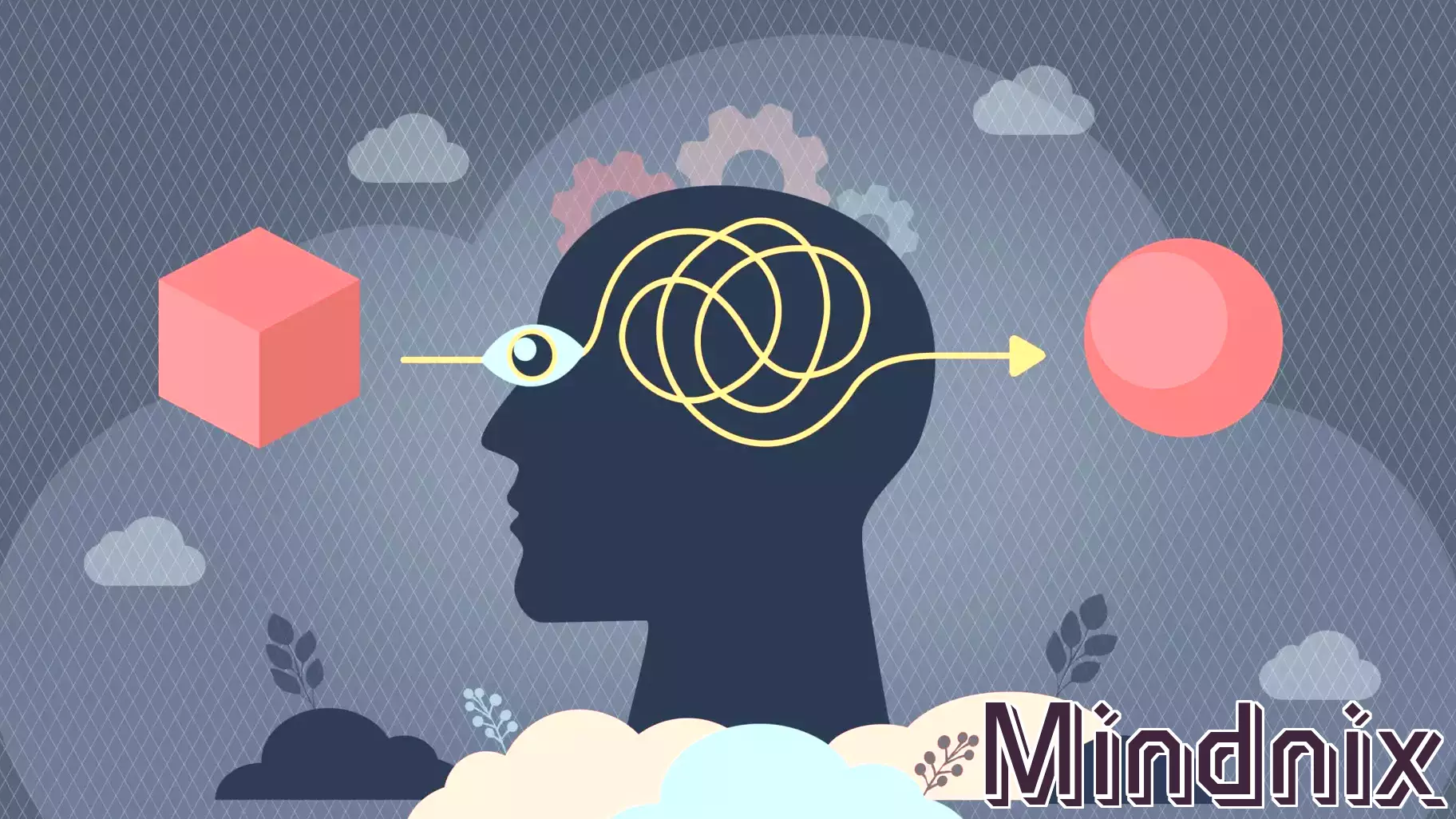
The widely accepted notion that humans struggle with understanding probability has been challenged by recent interpretations of the “Linda Problem,” initially presented by psychologists Daniel Kahneman and Amos Tversky. This well-known thought experiment has long been used to illustrate cognitive biases in human decision-making. However, emerging perspectives suggest that the conclusions drawn from this experiment may overlook the complexity of human reasoning.
Critics argue that humans possess a more nuanced grasp of probability than previously acknowledged. Rather than simply falling prey to biases, individuals often make decisions based on contextual information and intuitive judgments that reflect their experiences. This challenges the idea that humans are fundamentally irrational in their reasoning processes.
Additionally, the perception of machine intelligence as superior to human reasoning is being reevaluated. While machines can process vast amounts of data quickly, they often lack the ability to understand context and nuance, which are essential for sound decision-making. As discussions around human cognition and artificial intelligence continue to evolve, it becomes increasingly clear that both human and machine reasoning have their strengths and limitations.
MORE NEWS

July 9, 2026 - 21:45
The Weight of Addiction RecoveryFor women navigating addiction recovery, the scale can be just as daunting as the bottle or the pill. A growing body of clinical research is highlighting a complex and often overlooked relationship...
July 9, 2026 - 09:01
Frontiers | The epistemology of death: psychological autopsy, artificial intelligence, and forensic decision-making in equivocal deathsTraditional autopsies are designed to answer one main question: what was the biological cause of death? But in cases where the circumstances are unclear, known as equivocal deaths, that single...

July 8, 2026 - 22:47
Why Listening to the Same Song on Repeat Is a Sign of Emotional Regulation, Not StucknessPlaying the same song over and over is often seen as a sign that someone is dwelling on the past, but psychology suggests repeated listening serves a different purpose for many people. Familiar...

July 8, 2026 - 07:05
Psychology explains why people seek closure after breakups and why moving on often feels so difficultWhen a relationship ends, the brain enters a state of discomfort that goes beyond simple sadness. Psychology suggests this pain stems from the mind`s deep dislike for uncertainty and unresolved...