Rethinking the Metaphor: Wolves and Authoritarianism
November 15, 2025 - 00:39
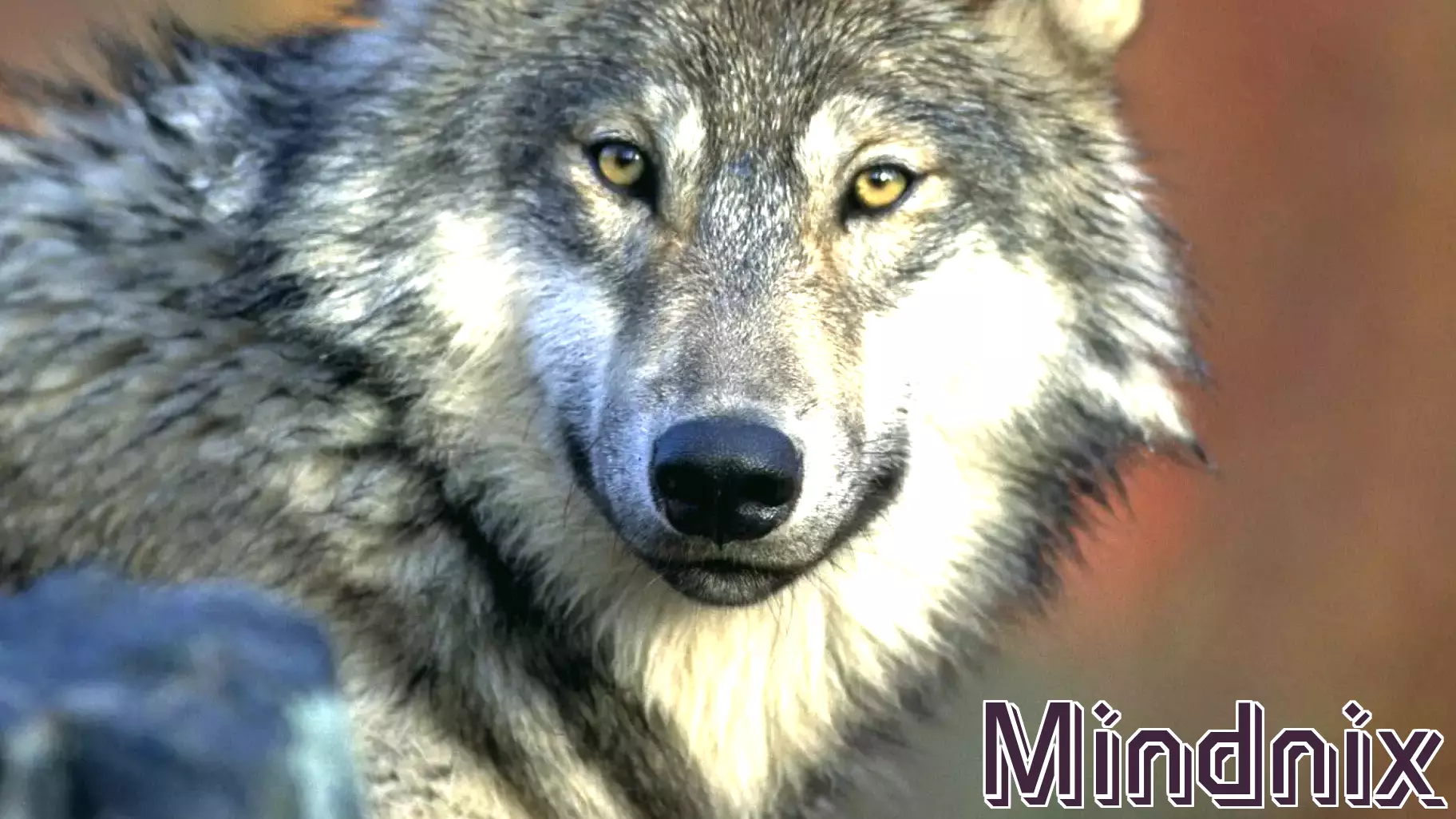
In recent discussions surrounding authoritarian regimes, the metaphor of the "wolf" has been employed to describe leaders who exhibit aggressive and oppressive behaviors. However, this comparison may be misleading and diminishes the true nature of both wolves and the individuals it seeks to characterize. Wolves are often portrayed as noble creatures, embodying loyalty and strength, while authoritarian figures typically represent fear and manipulation.
By labeling these leaders as "wolves," we risk romanticizing their actions and overlooking the predatory tactics they employ against their citizens. Unlike the social structures of wolf packs, which rely on cooperation and hierarchy, authoritarian regimes thrive on division and control. This distinction is crucial, as it reminds us that the behaviors exhibited by these leaders are not noble but rather destructive.
It is essential to approach the language we use when discussing such figures with care. Instead of invoking the image of a wolf, we should seek to accurately represent the nature of authoritarianism and its impact on society. By doing so, we can foster a clearer understanding of the challenges we face and the importance of standing against tyranny.
MORE NEWS

July 9, 2026 - 21:45
The Weight of Addiction RecoveryFor women navigating addiction recovery, the scale can be just as daunting as the bottle or the pill. A growing body of clinical research is highlighting a complex and often overlooked relationship...

July 9, 2026 - 09:01
Frontiers | The epistemology of death: psychological autopsy, artificial intelligence, and forensic decision-making in equivocal deathsTraditional autopsies are designed to answer one main question: what was the biological cause of death? But in cases where the circumstances are unclear, known as equivocal deaths, that single...

July 8, 2026 - 22:47
Why Listening to the Same Song on Repeat Is a Sign of Emotional Regulation, Not StucknessPlaying the same song over and over is often seen as a sign that someone is dwelling on the past, but psychology suggests repeated listening serves a different purpose for many people. Familiar...

July 8, 2026 - 07:05
Psychology explains why people seek closure after breakups and why moving on often feels so difficultWhen a relationship ends, the brain enters a state of discomfort that goes beyond simple sadness. Psychology suggests this pain stems from the mind`s deep dislike for uncertainty and unresolved...