Simulation Hypothesis: Lessons From the Fruit Fly Brain Map
June 21, 2026 - 09:55
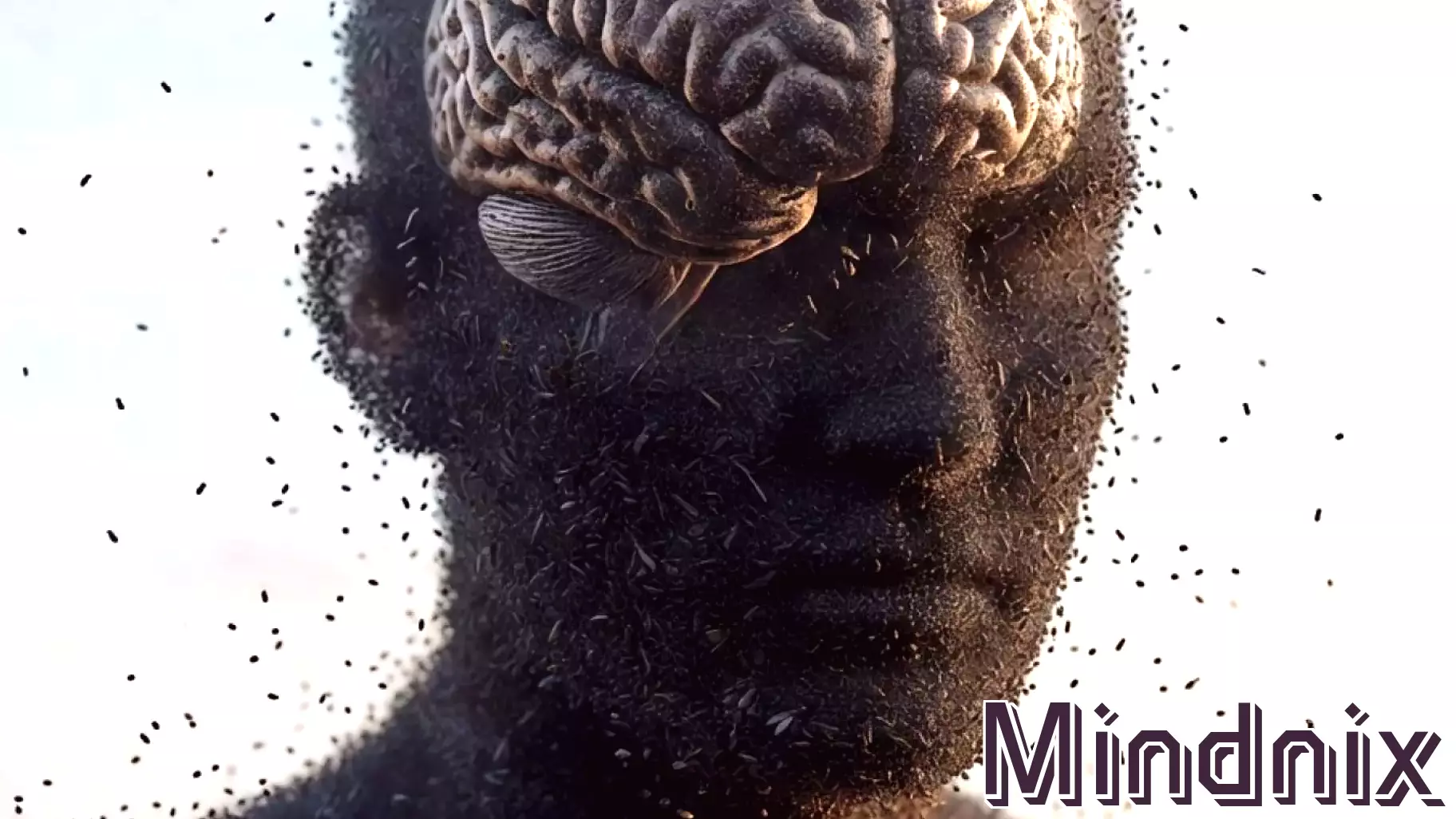
Scientists have completed the most detailed map ever made of a fruit fly brain, and the achievement is already fueling fresh debate about an old idea: could we all be living inside a simulation? The new connectome, a complete wiring diagram of every neuron and synapse in the insect's brain, allows researchers to model how the fly thinks, senses, and moves. If we can simulate a fruit fly's entire mind inside a computer, the thinking goes, what stops us from doing the same with a human?
The fruit fly brain contains roughly 130,000 neurons and 50 million connections. That is a tiny fraction of the human brain's 86 billion neurons, but it is still a staggering amount of complexity. By running a simulated fly inside a virtual body, scientists can watch how neural signals turn into real behavior. The work is already helping to explain how memories form and how decisions get made at the cellular level.
This is where the simulation hypothesis comes in. If a machine can recreate the experience of being a fly, then a more advanced machine might recreate the experience of being a person. Some philosophers argue that a civilization capable of running billions of human simulations would likely do so, meaning the odds that we are in the original reality are very low. The fruit fly map does not prove that theory, but it does show that the gap between biology and computation is closing faster than most people realize.
We live in an age of relational machines, where artificial neural networks learn by adjusting connections that look a lot like the ones in the fly's brain. The new map gives researchers a real, biological benchmark to compare against. It is one thing to build a network that can recognize images. It is another thing to build one that matches the actual wiring of a living creature. That step is now happening, and it raises questions that go far beyond neuroscience. If we can model a fly brain and run that fly in a simulation, we might eventually do it with ourselves. The question is not just whether we can, but whether we already have.
MORE NEWS

August 4, 2026 - 20:02
How Emotionally Intelligent People Manage Their EmotionsLetting emotions spiral out of control is uncomfortable and a fast track to damaging your closest relationships. We have all had moments where frustration or anxiety took the wheel, and the...

August 4, 2026 - 01:01
The Ketamine ParadoxKetamine has become one of the most talked-about treatments in psychiatry, and for good reason. When given under medical supervision, it can lift severe depression and quiet suicidal thoughts...
August 3, 2026 - 06:18
Psychology says photographing the parking level sign isn't organization — it's outsourcing a worry so the evening can beginMost people have done it at least once. You park in a crowded garage, glance at the letter and number on the concrete wall, and then pull out your phone to take a picture of the sign. It feels a...

August 2, 2026 - 19:29
Partner Violence Is Less Recognized in LGBTQ RelationshipsThe greatest barriers LGBTQ survivors face often are not just abusive partners, but the systems that fail to recognize and support them. While domestic violence is widely discussed in heterosexual...