Strategies to Mitigate Anti-LGBTQ Harassment in Schools
February 24, 2025 - 18:22
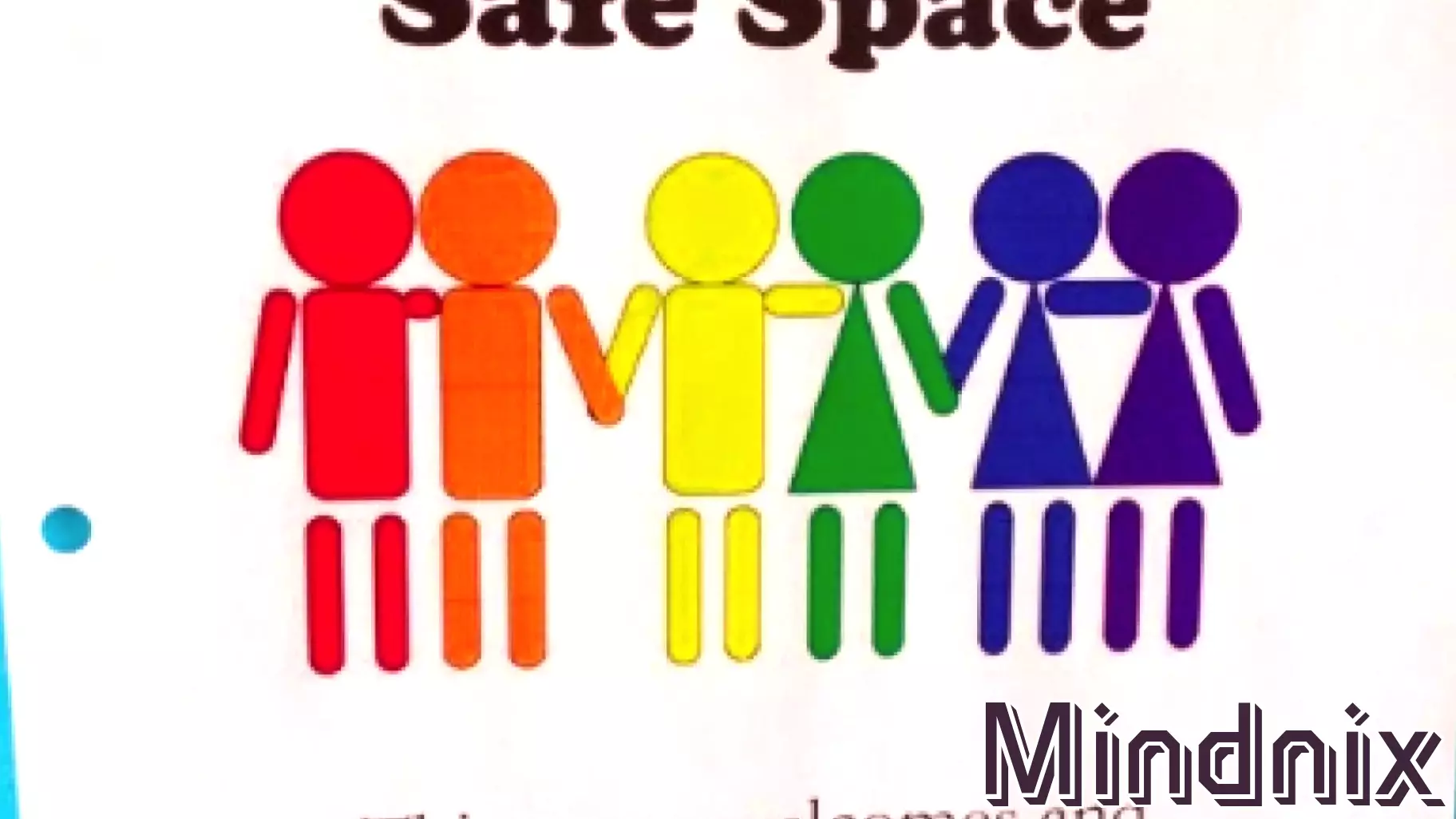
In recent years, the issue of anti-LGBTQ harassment in schools has garnered increasing attention from educators and policymakers alike. Despite the introduction of new policies aimed at promoting inclusivity and protecting students, many schools still struggle to create a safe environment for LGBTQ youth. The effectiveness of these policies is often undermined by the prevailing school culture, which can perpetuate discrimination and harassment.
One crucial step in addressing this issue is fostering an open dialogue among students, teachers, and parents. Educators can play a pivotal role by incorporating LGBTQ-inclusive curricula that promote understanding and acceptance. Professional development programs focused on diversity and inclusion can also equip teachers with the tools they need to intervene effectively when harassment occurs.
Moreover, creating support systems, such as LGBTQ student clubs and safe spaces, can empower students to express their identities without fear of backlash. Ultimately, a collaborative effort that involves the entire school community is essential for reducing anti-LGBTQ harassment and fostering a more inclusive educational environment.
MORE NEWS

July 9, 2026 - 21:45
The Weight of Addiction RecoveryFor women navigating addiction recovery, the scale can be just as daunting as the bottle or the pill. A growing body of clinical research is highlighting a complex and often overlooked relationship...

July 9, 2026 - 09:01
Frontiers | The epistemology of death: psychological autopsy, artificial intelligence, and forensic decision-making in equivocal deathsTraditional autopsies are designed to answer one main question: what was the biological cause of death? But in cases where the circumstances are unclear, known as equivocal deaths, that single...

July 8, 2026 - 22:47
Why Listening to the Same Song on Repeat Is a Sign of Emotional Regulation, Not StucknessPlaying the same song over and over is often seen as a sign that someone is dwelling on the past, but psychology suggests repeated listening serves a different purpose for many people. Familiar...

July 8, 2026 - 07:05
Psychology explains why people seek closure after breakups and why moving on often feels so difficultWhen a relationship ends, the brain enters a state of discomfort that goes beyond simple sadness. Psychology suggests this pain stems from the mind`s deep dislike for uncertainty and unresolved...