The Absurdity of Wealth: A Banana Worth Millions
December 6, 2024 - 14:44
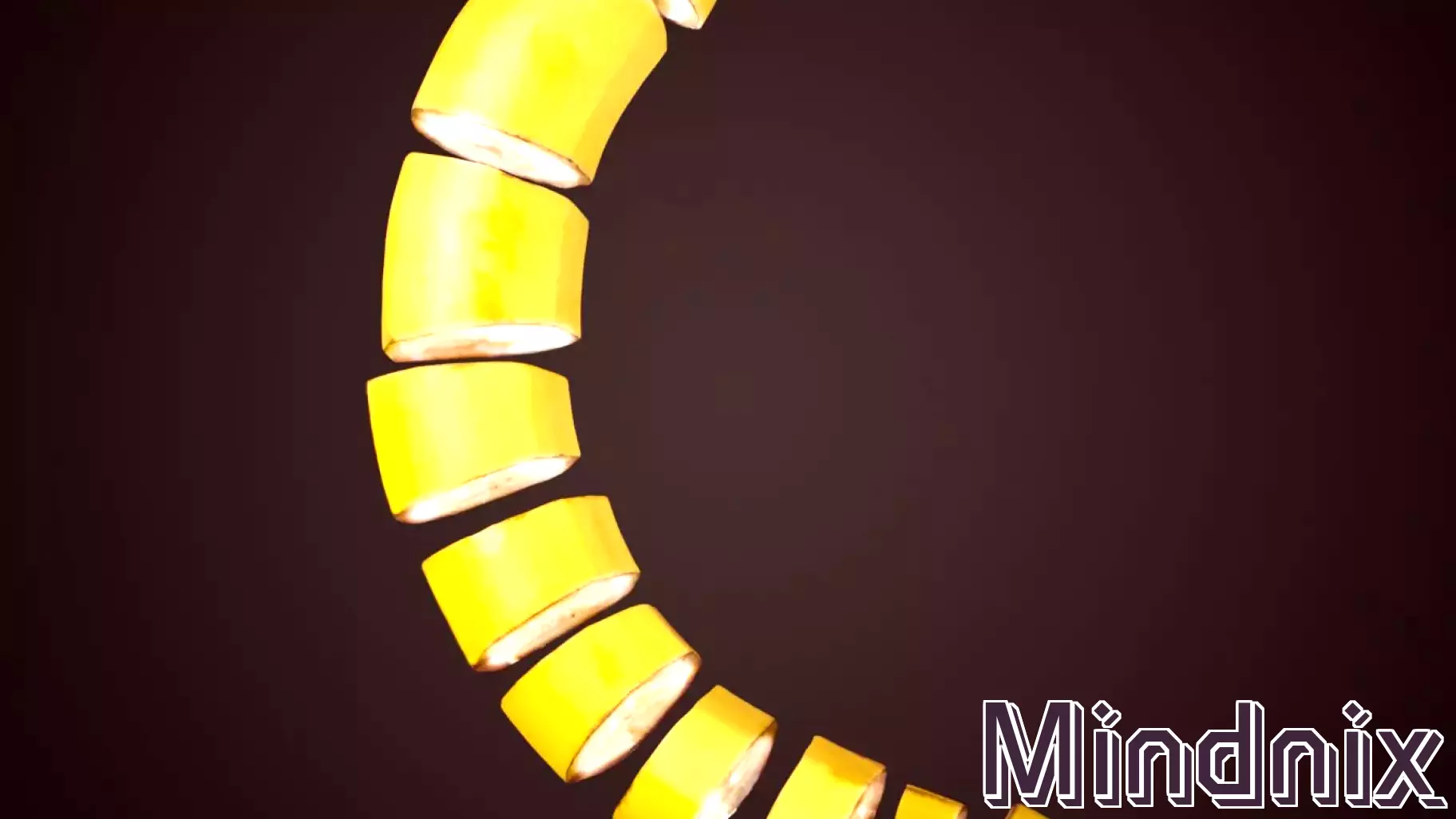
In a bizarre turn of events, a wealthy entrepreneur has made headlines by purchasing a banana for an astounding $6.2 million, only to consume it during a press event shortly after. This outrageous act has sparked widespread debate about the nature of conspicuous consumption in today's art world.
The banana, which was originally part of a conceptual artwork, has raised questions about the value assigned to art and the lengths to which individuals will go to showcase their wealth. Critics argue that such extravagant displays reflect a troubling obsession with status and luxury, while supporters claim it challenges traditional notions of art and its purpose.
As the art world continues to grapple with the implications of this purchase, many are left wondering: What does it say about our society when a piece of fruit can command such a staggering price? This incident serves as a stark reminder of the intersection between art, wealth, and cultural commentary in an increasingly materialistic world.
MORE NEWS

July 9, 2026 - 21:45
The Weight of Addiction RecoveryFor women navigating addiction recovery, the scale can be just as daunting as the bottle or the pill. A growing body of clinical research is highlighting a complex and often overlooked relationship...

July 9, 2026 - 09:01
Frontiers | The epistemology of death: psychological autopsy, artificial intelligence, and forensic decision-making in equivocal deathsTraditional autopsies are designed to answer one main question: what was the biological cause of death? But in cases where the circumstances are unclear, known as equivocal deaths, that single...

July 8, 2026 - 22:47
Why Listening to the Same Song on Repeat Is a Sign of Emotional Regulation, Not StucknessPlaying the same song over and over is often seen as a sign that someone is dwelling on the past, but psychology suggests repeated listening serves a different purpose for many people. Familiar...

July 8, 2026 - 07:05
Psychology explains why people seek closure after breakups and why moving on often feels so difficultWhen a relationship ends, the brain enters a state of discomfort that goes beyond simple sadness. Psychology suggests this pain stems from the mind`s deep dislike for uncertainty and unresolved...