The Essential Role of Trust in Human Relationships
April 14, 2025 - 17:44
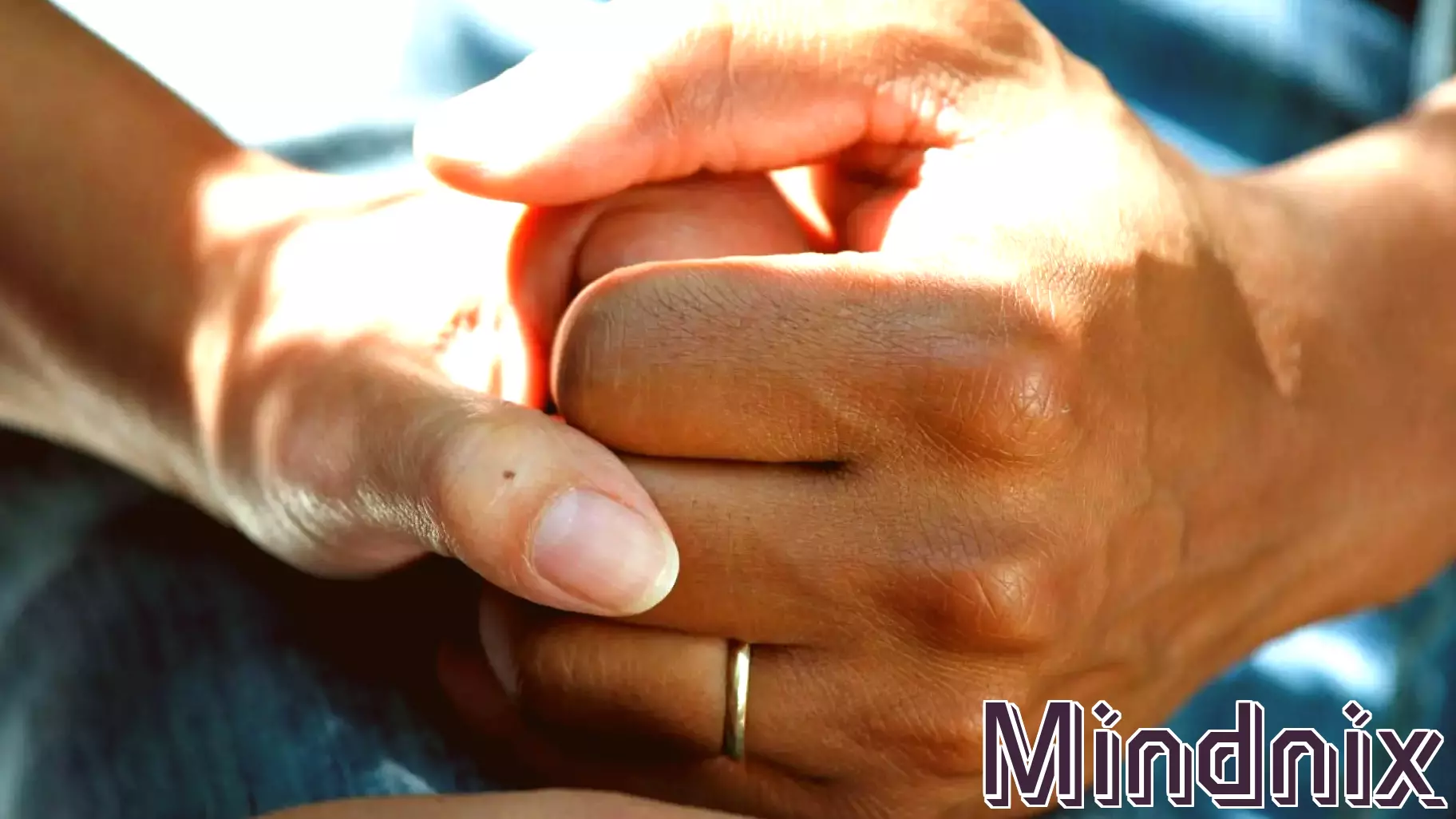
There is a universal need for fidelity and trust in personal and professional relationships, and there are consequences when this standard is breached, for individuals and society. Trust serves as the foundation for meaningful connections, enabling open communication and collaboration. When trust is established, relationships flourish, fostering a sense of safety and belonging.
However, the erosion of trust can lead to significant repercussions. In personal relationships, betrayal can result in emotional distress, broken families, and long-lasting scars. In professional settings, a lack of trust can hinder teamwork, stifle innovation, and ultimately impact an organization’s success. Employees may feel disengaged, leading to decreased productivity and morale.
In a broader societal context, the absence of trust can contribute to divisions and conflicts, undermining community cohesion. As individuals navigate an increasingly complex world, fostering trust and fidelity becomes paramount. It is essential for leaders and individuals alike to prioritize integrity, transparency, and accountability to rebuild and maintain trust in all aspects of life.
MORE NEWS

July 10, 2026 - 14:10
What Makes Couples Happy, According to ScienceA simple question might hold the key to a stronger relationship: `What can I do to help you feel closer to me?` According to recent studies in relationship science, this direct approach often works...

July 9, 2026 - 21:45
The Weight of Addiction RecoveryFor women navigating addiction recovery, the scale can be just as daunting as the bottle or the pill. A growing body of clinical research is highlighting a complex and often overlooked relationship...
July 9, 2026 - 09:01
Frontiers | The epistemology of death: psychological autopsy, artificial intelligence, and forensic decision-making in equivocal deathsTraditional autopsies are designed to answer one main question: what was the biological cause of death? But in cases where the circumstances are unclear, known as equivocal deaths, that single...

July 8, 2026 - 22:47
Why Listening to the Same Song on Repeat Is a Sign of Emotional Regulation, Not StucknessPlaying the same song over and over is often seen as a sign that someone is dwelling on the past, but psychology suggests repeated listening serves a different purpose for many people. Familiar...