The Glenn Gould of Radiology
February 14, 2026 - 00:37
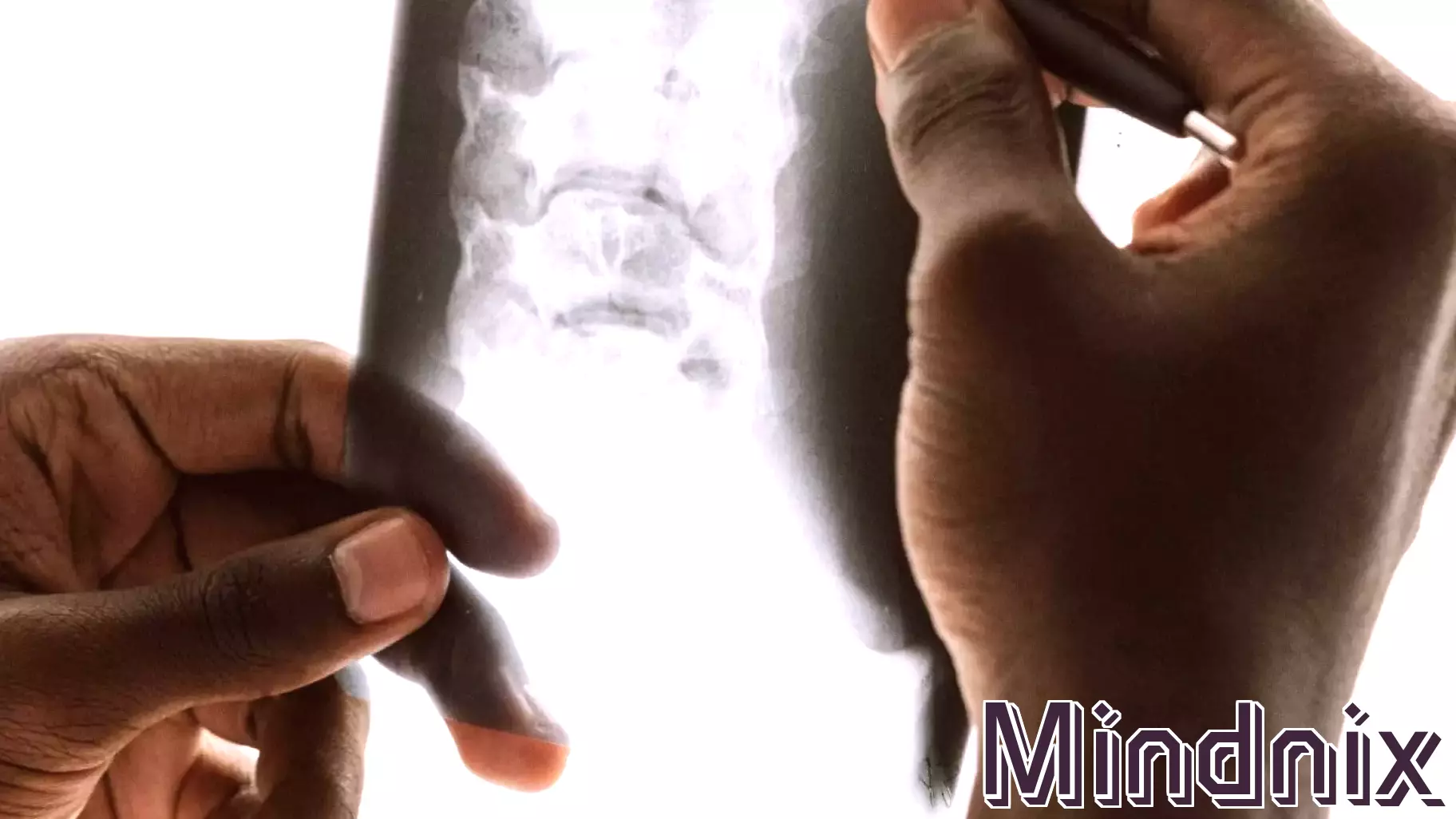
In a field where precision is paramount, one radiologist demonstrated a talent so extraordinary it drew comparisons to virtuoso musicians. An autistic medical professional, he possessed an almost preternatural ability to analyze complex scans, routinely processing images at twice the speed of his colleagues while maintaining impeccable accuracy. His diagnostic skill was undeniable, earning him the position of top student in his prestigious residency program.
Yet, this exceptional ability was nearly rendered meaningless by a medical training system ill-equipped to accommodate neurological differences. Despite his mastery of radiological science, he was denied his hard-earned diploma. The barrier was not clinical knowledge, but a standard practical exam requiring spontaneous patient interaction—a format that unfairly disadvantaged his autistic communication style.
His career, and his vital talent, hinged on a single, crucial accommodation. The solution was elegantly simple: the presence of one supportive nurse to facilitate patient communication during the examination. With this minor adjustment, he successfully completed the requirement, proving his competence was always there, waiting for the system to provide the right key. His story highlights a critical gap in medical education, where the focus on standardized testing can overlook and even penalize unique minds capable of revolutionizing patient care. It is a powerful reminder that sometimes, enabling greatness requires only a small change in perspective.
MORE NEWS

August 13, 2026 - 09:26
New study reveals how running trains the body to handle psychological stressA recent study sheds light on how regular running can do more than keep the body fit. It appears to train the brain and nervous system to cope with psychological pressure more effectively. The...

August 11, 2026 - 03:58
Love and Grief: How the Body RemembersThere is a moment, every single day, that still catches me off guard. My hand drifts to the side of the bed, searching for the warm curve of a back that has not been there for months. My fingers...

August 9, 2026 - 14:37
Support Players Don't Avoid Pressue, They Carry Games Differently To DPS PlayersThere is a long-running joke in competitive shooters that support players are just DPS players who missed their shots. That idea is tired and wrong. Supports are not filling a role because they...

August 8, 2026 - 17:07
The Unfragile MindThe numbers keep climbing. Across Western countries, reports of anxiety, depression, and burnout are hitting record highs. Every new study seems to confirm that something is deeply wrong. But the...