The Hidden Geometry of Meaning in AI Communication
April 26, 2025 - 23:36
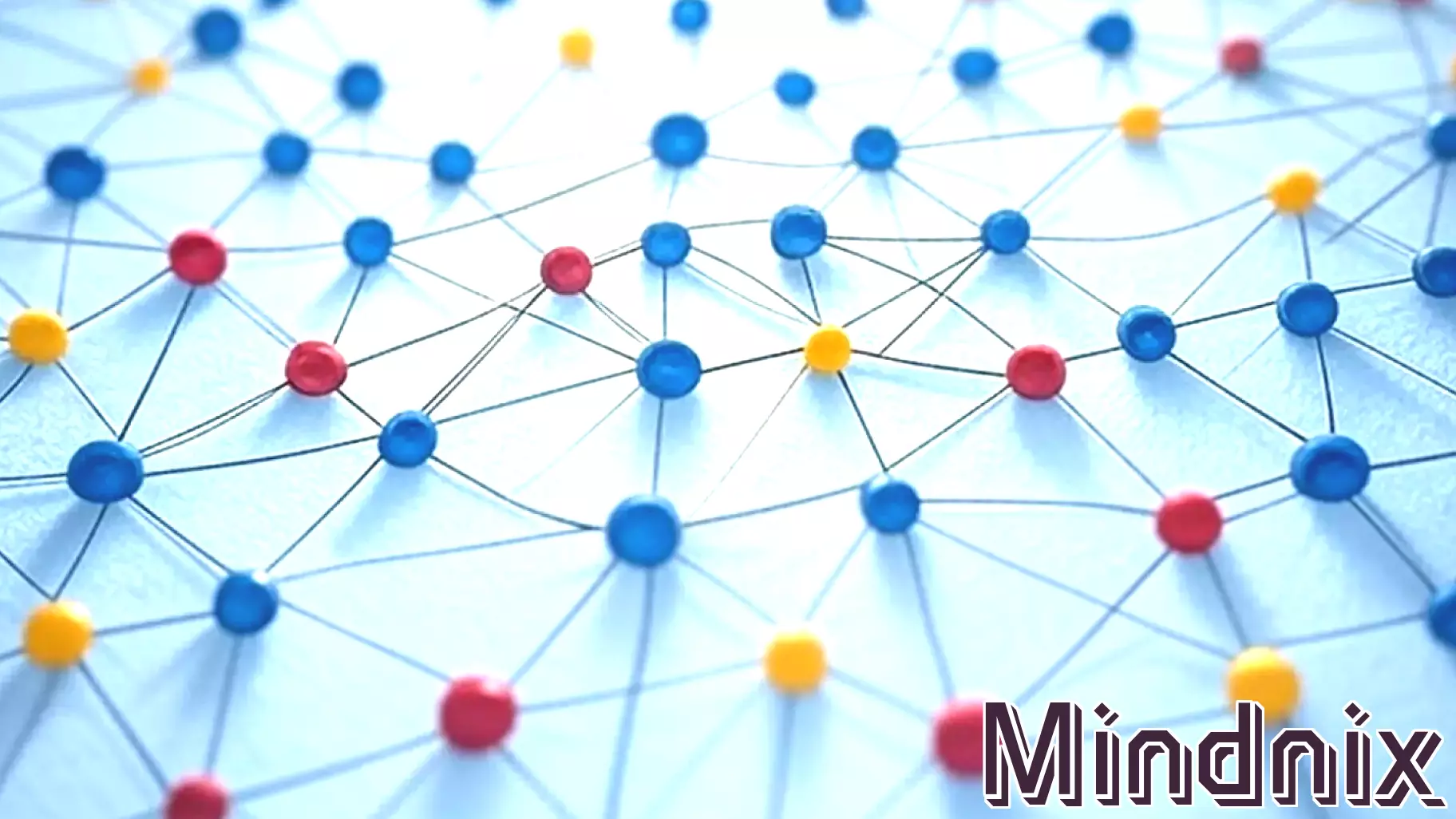
Before artificial intelligence articulates thoughts, it constructs a concealed "Vector Block," a dynamic framework of meaning that could unveil the intricate design of human cognition. This process involves the transformation of raw data into a structured representation that captures the essence of concepts and ideas.
The Vector Block serves as a foundational element, allowing AI to understand and generate language that resonates with human users. By mapping relationships between words and their meanings, AI can create a rich tapestry of context that enhances communication. This geometric representation of thought not only facilitates more coherent responses but also mirrors the complexities of human understanding.
As researchers delve deeper into the mechanics of this hidden structure, they uncover insights into how meaning is formed and conveyed. This exploration not only advances AI technology but also offers a glimpse into the cognitive processes that underpin human language, bridging the gap between artificial and natural intelligence.
MORE NEWS

July 9, 2026 - 21:45
The Weight of Addiction RecoveryFor women navigating addiction recovery, the scale can be just as daunting as the bottle or the pill. A growing body of clinical research is highlighting a complex and often overlooked relationship...

July 9, 2026 - 09:01
Frontiers | The epistemology of death: psychological autopsy, artificial intelligence, and forensic decision-making in equivocal deathsTraditional autopsies are designed to answer one main question: what was the biological cause of death? But in cases where the circumstances are unclear, known as equivocal deaths, that single...

July 8, 2026 - 22:47
Why Listening to the Same Song on Repeat Is a Sign of Emotional Regulation, Not StucknessPlaying the same song over and over is often seen as a sign that someone is dwelling on the past, but psychology suggests repeated listening serves a different purpose for many people. Familiar...

July 8, 2026 - 07:05
Psychology explains why people seek closure after breakups and why moving on often feels so difficultWhen a relationship ends, the brain enters a state of discomfort that goes beyond simple sadness. Psychology suggests this pain stems from the mind`s deep dislike for uncertainty and unresolved...