The Impact of Social Media on Children's Well-Being
February 11, 2025 - 23:48
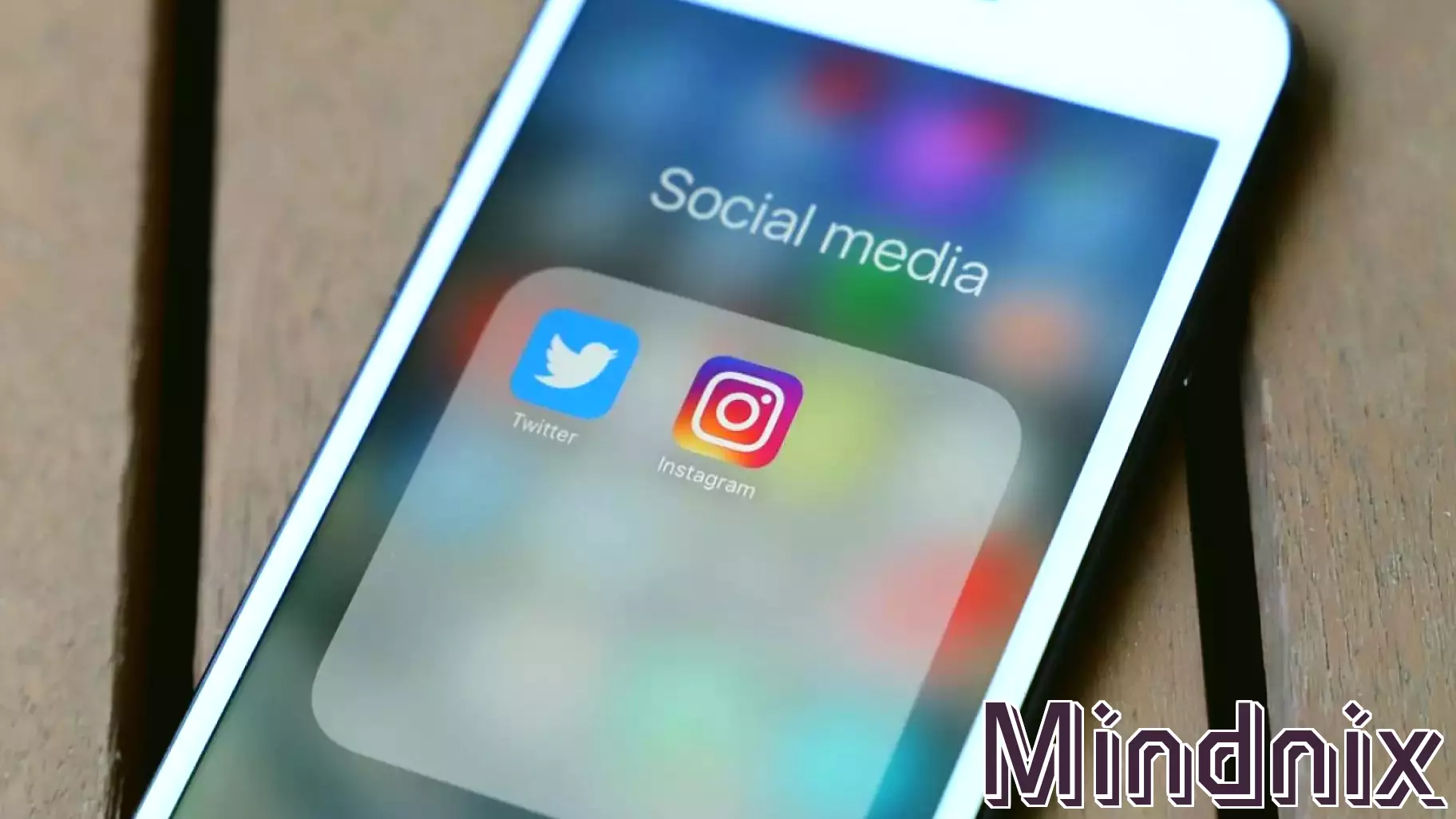
Social media is selling kids unrealistic goals, leaving them anxious and lost. As platforms continue to thrive, the pressure to conform to idealized lifestyles and appearances has intensified. Children and teenagers are bombarded with curated images and stories that often do not reflect reality, leading to feelings of inadequacy and low self-esteem.
The constant comparison to others can create a toxic environment where young people feel they must compete for likes and validation. This digital pressure can contribute to anxiety, depression, and a sense of isolation. Many kids find themselves trapped in a cycle of seeking approval through social media, which can detract from their real-life experiences and relationships.
It is crucial for parents, educators, and communities to intervene by encouraging open discussions about the impact of social media. By fostering resilience and promoting real-world connections, we can help children rediscover their sense of purpose and break free from the constraints of digital expectations.
MORE NEWS

July 9, 2026 - 21:45
The Weight of Addiction RecoveryFor women navigating addiction recovery, the scale can be just as daunting as the bottle or the pill. A growing body of clinical research is highlighting a complex and often overlooked relationship...

July 9, 2026 - 09:01
Frontiers | The epistemology of death: psychological autopsy, artificial intelligence, and forensic decision-making in equivocal deathsTraditional autopsies are designed to answer one main question: what was the biological cause of death? But in cases where the circumstances are unclear, known as equivocal deaths, that single...

July 8, 2026 - 22:47
Why Listening to the Same Song on Repeat Is a Sign of Emotional Regulation, Not StucknessPlaying the same song over and over is often seen as a sign that someone is dwelling on the past, but psychology suggests repeated listening serves a different purpose for many people. Familiar...

July 8, 2026 - 07:05
Psychology explains why people seek closure after breakups and why moving on often feels so difficultWhen a relationship ends, the brain enters a state of discomfort that goes beyond simple sadness. Psychology suggests this pain stems from the mind`s deep dislike for uncertainty and unresolved...