The Ineffectiveness of Banning Phones for Kids
July 28, 2025 - 17:40
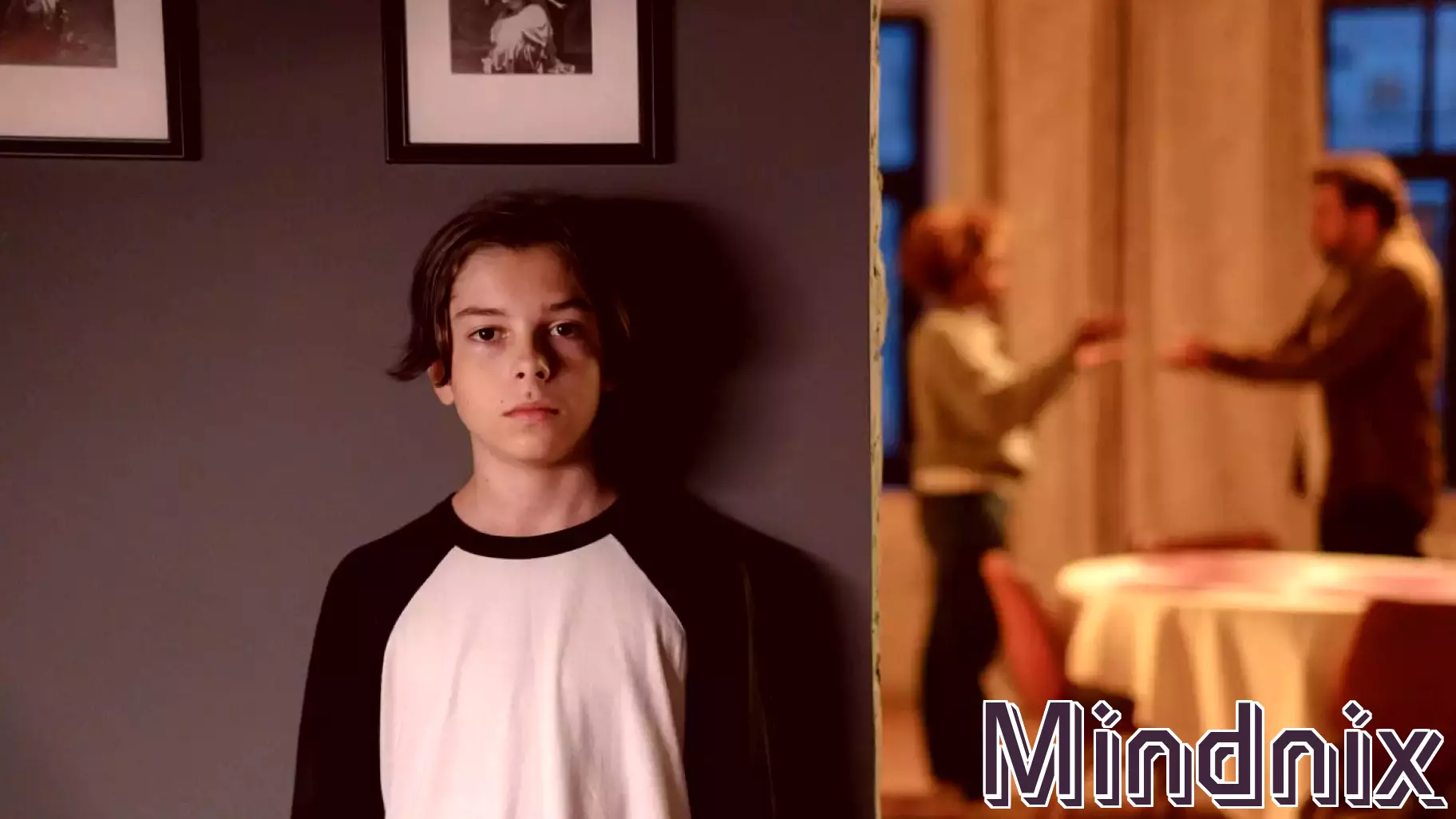
Banning smartphones for children may seem like a straightforward solution to concerns about technology use, but it ultimately addresses only the symptoms rather than the underlying issues. Simply removing a device does not equip teens with the skills they need to navigate the digital world responsibly.
Instead of imposing strict bans, parents can foster healthier relationships with technology by engaging in open conversations about its impact. Encouraging kids to express their feelings about social media and online interactions can help them develop critical thinking skills. Setting boundaries together, rather than unilaterally enforcing restrictions, empowers teens to make informed choices.
Additionally, modeling positive technology use is crucial. Parents who demonstrate balanced screen time and engage in family activities without devices can set a powerful example. By focusing on communication, education, and collaboration, families can create an environment where technology is used mindfully, leading to healthier habits and more meaningful connections.
MORE NEWS

July 9, 2026 - 21:45
The Weight of Addiction RecoveryFor women navigating addiction recovery, the scale can be just as daunting as the bottle or the pill. A growing body of clinical research is highlighting a complex and often overlooked relationship...

July 9, 2026 - 09:01
Frontiers | The epistemology of death: psychological autopsy, artificial intelligence, and forensic decision-making in equivocal deathsTraditional autopsies are designed to answer one main question: what was the biological cause of death? But in cases where the circumstances are unclear, known as equivocal deaths, that single...

July 8, 2026 - 22:47
Why Listening to the Same Song on Repeat Is a Sign of Emotional Regulation, Not StucknessPlaying the same song over and over is often seen as a sign that someone is dwelling on the past, but psychology suggests repeated listening serves a different purpose for many people. Familiar...

July 8, 2026 - 07:05
Psychology explains why people seek closure after breakups and why moving on often feels so difficultWhen a relationship ends, the brain enters a state of discomfort that goes beyond simple sadness. Psychology suggests this pain stems from the mind`s deep dislike for uncertainty and unresolved...