The Irreplaceable Role of Human Connection in Therapy
June 11, 2026 - 04:24
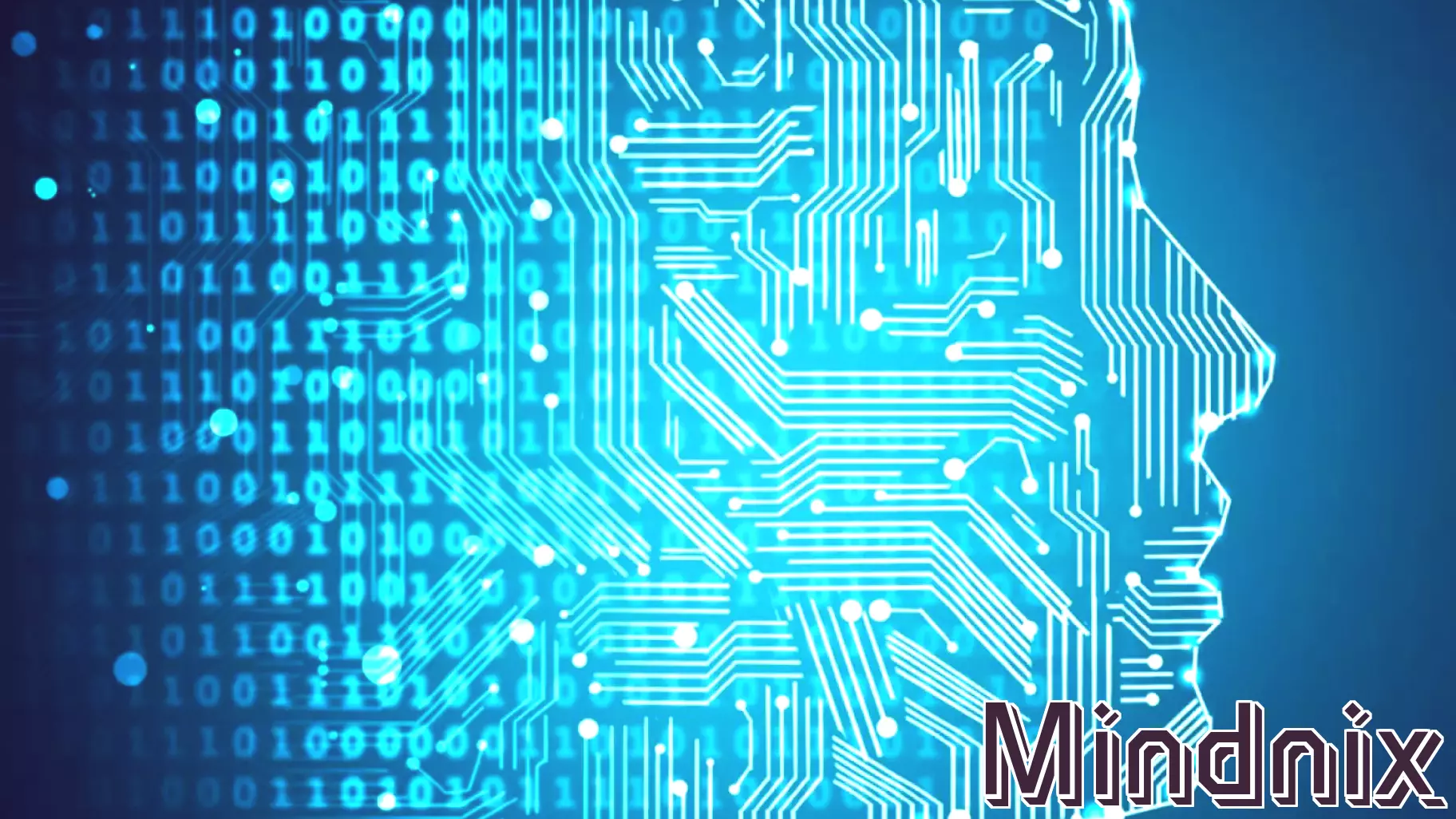
As artificial intelligence continues to advance into nearly every corner of modern life, the mental health field has not been immune to its reach. Chatbots now offer guided breathing exercises, mood tracking, and even scripted responses to expressions of distress. Some platforms promise affordable, on-demand support for those who cannot access traditional therapy. But while AI can offer many things, it can never approximate the healing nature of a human relationship.
Therapy is not simply a transaction of information or a set of techniques applied to a problem. At its core, it is a deeply relational process built on trust, empathy, and mutual understanding. A therapist reads not only what a client says, but how they say it. They notice the hesitation in a voice, the tension in a shoulder, the tears that come without warning. These subtle cues are not data points to be parsed. They are invitations to connect, to sit with someone in their pain, and to offer a presence that no algorithm can replicate.
Research has long shown that the therapeutic alliance, the bond between client and therapist, is one of the strongest predictors of positive outcomes. This alliance grows through shared experience, through moments of genuine vulnerability, and through the slow, messy work of being seen by another person. AI cannot offer that. It can mimic empathy, but it cannot feel it. It can suggest coping strategies, but it cannot hold space for grief.
There is also the question of safety. When a client shares their deepest fears or darkest thoughts, they need to know that the person on the other side is capable of responding with wisdom and care, not just a pre-programmed script. A machine cannot recognize when a silence means something more than a pause. It cannot know when a joke is a mask for despair. These are human judgments, learned through years of training and lived experience.
None of this means AI has no place in mental health. It can be a useful tool for psychoeducation, for tracking symptoms, or for providing basic support between sessions. But it cannot replace the therapist. The healing that happens in therapy is not mechanical. It is relational. And that relationship, with all its imperfections and unpredictability, is something only a human can offer.
MORE NEWS
July 25, 2026 - 22:36
The Mental Game of the Tour de FranceThe Tour de France, which comes to a close this weekend, is known as one of the most grueling cycling events in the world. Riders face not only the physical demands of steep climbs and long...
July 24, 2026 - 01:08
When Politics Is PersonalA new study reveals that the rising political divide in the United States is not just a social or electoral issue but a growing mental health crisis for young adults. Researchers found that intense...
July 23, 2026 - 02:23
A Terminal Illness Sets a Cruel Deadline for the EstrangedThe recent gathering of the Royal family has put a stark spotlight on a painful reality: a terminal illness often acts as a brutal deadline for families torn apart by years of silence. When a loved...

July 22, 2026 - 04:11
Psychology says happy couples may start looking alike over time, but not for the reason you thinkYou have probably seen it before: a couple that has been together for decades starts to look like they could be siblings. The phenomenon is often chalked up to shared diets, similar lifestyles, or...