The Lasting Impact of Historical Events on Youth Resilience
January 21, 2026 - 21:15
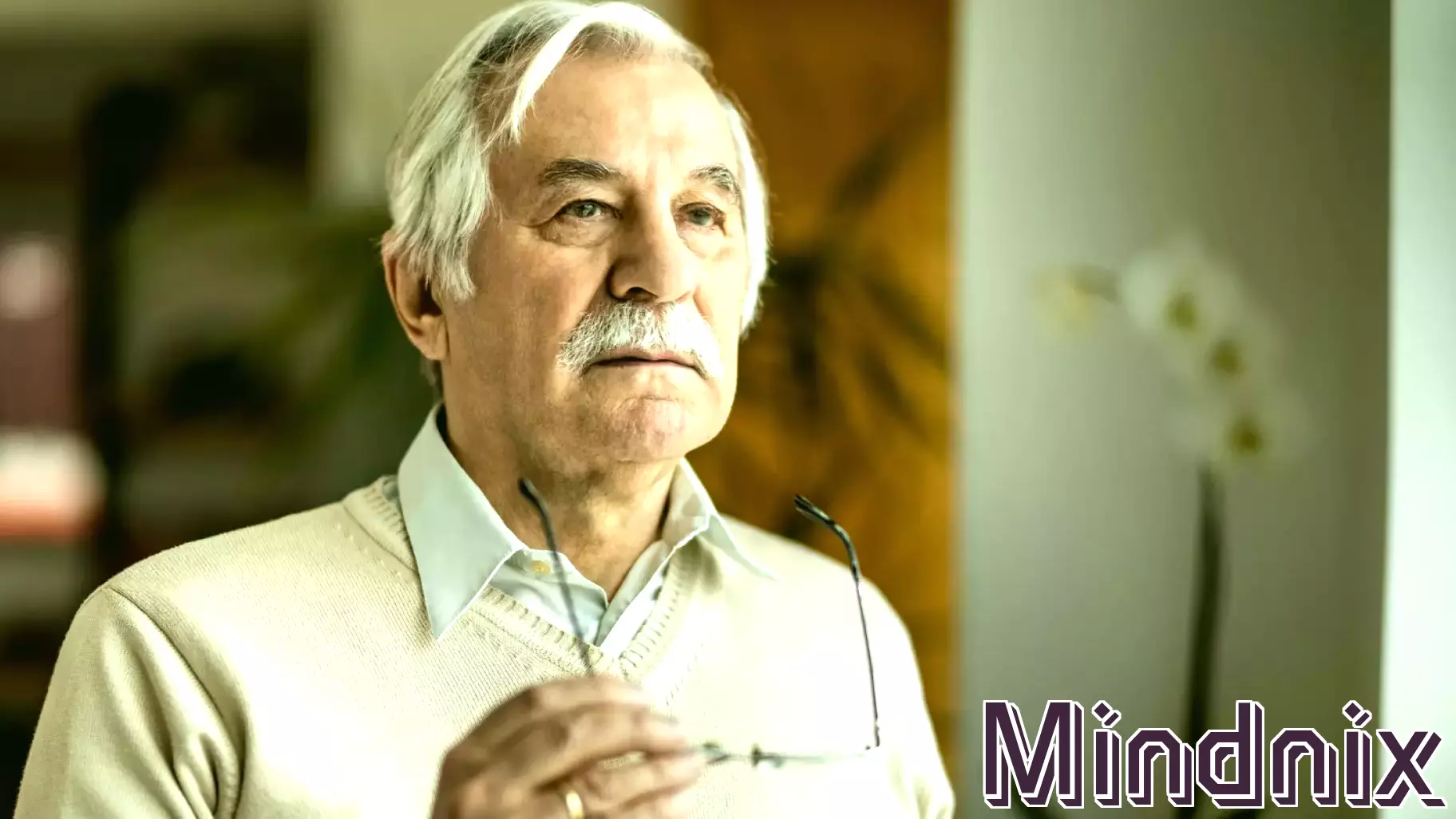
Growing up during wars, economic crashes, or social upheavals doesn't just create memories—it fundamentally rewires the teenage brain, creating psychological superpowers that last a lifetime. Research in psychology suggests that individuals who experience significant historical events in their formative years often develop unique resilience markers. These markers can manifest as heightened adaptability, improved problem-solving skills, and a profound sense of empathy.
Children and teenagers exposed to adversity tend to cultivate a strong sense of community and support, often forming lasting bonds with peers who share similar experiences. This shared understanding fosters a collective resilience that can help individuals navigate future challenges. Furthermore, the ability to cope with stress and uncertainty becomes ingrained, allowing these individuals to face life's obstacles with greater confidence.
As these young people transition into adulthood, their experiences can lead to a greater appreciation for stability and a commitment to social justice. Ultimately, the resilience developed during tumultuous times shapes not only their lives but also the communities they contribute to, leaving a lasting legacy of strength and perseverance.
MORE NEWS

July 21, 2026 - 11:12
Why Trying to "Be Good" With Food Can BackfireMany people start a new diet or a healthy eating plan with the best intentions. They tell themselves they need to be `good` and avoid certain foods. But new research suggests that this very mindset...

July 20, 2026 - 22:18
Psychology says people reuse the same password for every account for reasons that go beyond lazinessRemembering dozens of usernames, passwords and PINs has become an unavoidable part of everyday life. From banking and shopping apps to social media and streaming services, the average person now...
July 20, 2026 - 04:57
DMT's Latest Surge Revives Ancient Questions About ConsciousnessDimethyltryptamine, better known as DMT, is enjoying a fresh wave of media attention and public curiosity. The powerful psychedelic compound, found naturally in many plants and animals, has moved...

July 19, 2026 - 00:22
You’re Not Being Lazy, You’re Being SmartThe relentless push to `never give up` has become a modern mantra, drilled into us by motivational speakers, career coaches, and social media influencers. We are taught that every obstacle is a...