The Positive Impact of Play Therapy on Children's Emotional Health
May 14, 2025 - 04:41
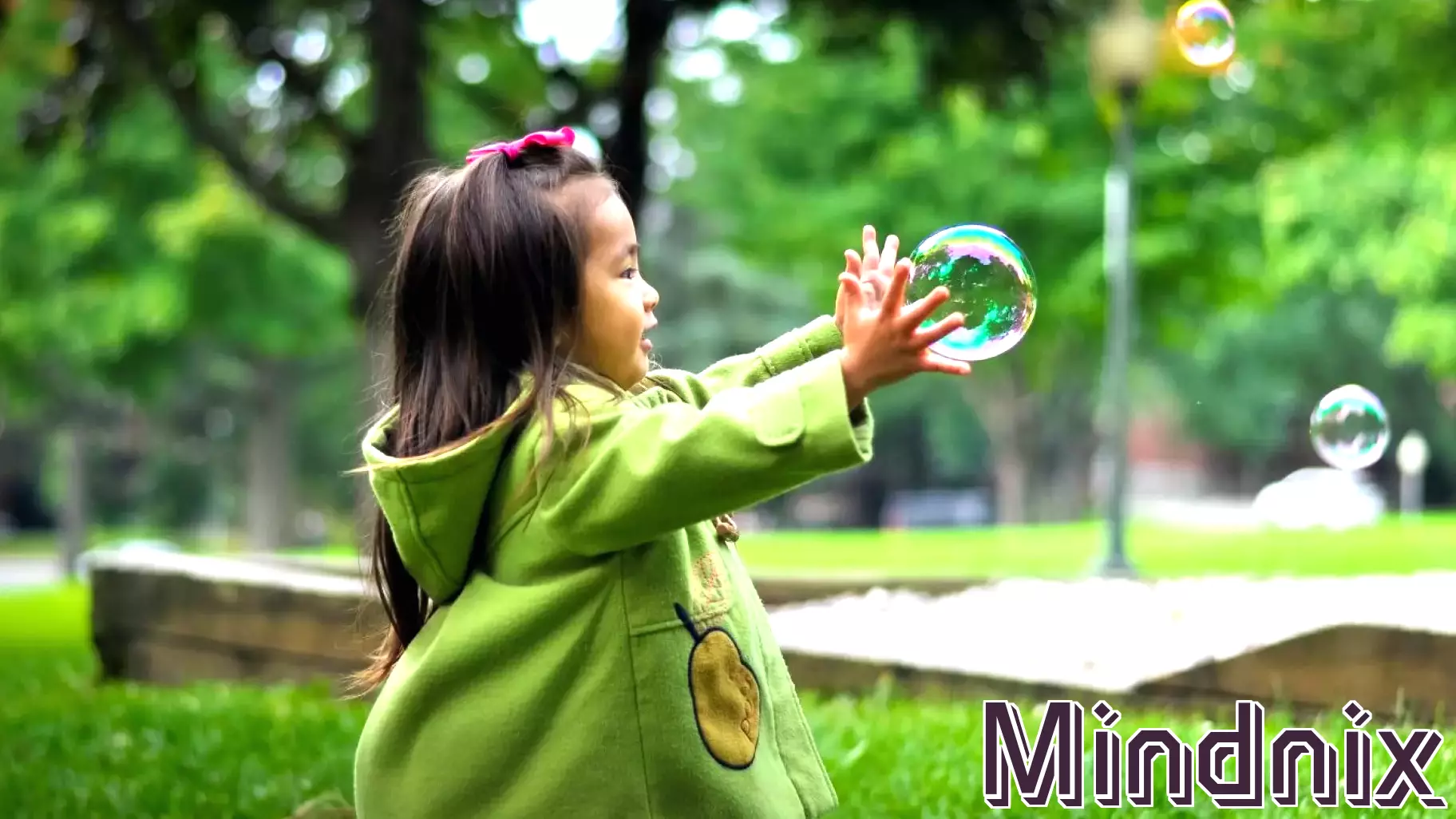
Play therapy is an innovative therapeutic approach that often proves to be more effective than traditional talk therapy for young children dealing with emotional challenges. This method utilizes play as a means of communication, allowing children to express their feelings and experiences in a safe and supportive environment.
Through play, children can explore their emotions, work through trauma, and develop coping strategies without the pressure of verbalizing their thoughts. This is particularly beneficial for younger children who may struggle to articulate their feelings or understand complex emotional concepts.
Therapists trained in play therapy create a nurturing space where children feel comfortable to engage in various activities, such as art, games, and role-playing. These activities not only promote creativity but also help children process their experiences and build resilience.
As a result, play therapy can significantly enhance a child's emotional well-being, fostering healthier relationships and improving their overall quality of life.
MORE NEWS

July 9, 2026 - 21:45
The Weight of Addiction RecoveryFor women navigating addiction recovery, the scale can be just as daunting as the bottle or the pill. A growing body of clinical research is highlighting a complex and often overlooked relationship...

July 9, 2026 - 09:01
Frontiers | The epistemology of death: psychological autopsy, artificial intelligence, and forensic decision-making in equivocal deathsTraditional autopsies are designed to answer one main question: what was the biological cause of death? But in cases where the circumstances are unclear, known as equivocal deaths, that single...

July 8, 2026 - 22:47
Why Listening to the Same Song on Repeat Is a Sign of Emotional Regulation, Not StucknessPlaying the same song over and over is often seen as a sign that someone is dwelling on the past, but psychology suggests repeated listening serves a different purpose for many people. Familiar...

July 8, 2026 - 07:05
Psychology explains why people seek closure after breakups and why moving on often feels so difficultWhen a relationship ends, the brain enters a state of discomfort that goes beyond simple sadness. Psychology suggests this pain stems from the mind`s deep dislike for uncertainty and unresolved...